10 Best House Windows Replacement Options for Global Buyers

Choosing the right house windows replacement option can improve comfort, energy performance, security, and daily living quality. Yet, the best window is rarely the most expensive one. Global buyers must consider local climate, building traditions, available materials, installation skills, and long-term maintenance. A double-glazed vinyl window may suit a cold urban home, while a corrosion-resistant aluminum frame may perform better in a humid coastal area. In extremely hot regions, low-emissivity glass, exterior shading, and strong ventilation can matter more than decorative design.

This guide examines ten practical replacement options for different budgets, climates, and property styles. It considers uPVC, aluminum, wood, fiberglass, composite, sliding, casement, awning, bay, and energy-efficient window systems. Each option has clear strengths, but also limitations that are easy to overlook. No option wins everywhere. A beautiful wooden frame may require regular sealing, while a low-cost product may create higher repair expenses later. We will look beyond showroom appearance and examine insulation values, drainage, frame durability, glass safety, installation quality, warranties, and supplier reliability. These details often decide whether a window remains comfortable after ten or twenty years.

Reliable decisions require more than online comparisons. Buyers should request technical specifications, verify regional compliance, inspect sample frames, and confirm who handles installation problems. Even experienced professionals can misjudge local conditions. That possibility deserves attention. With careful evaluation, this house windows replacement guide can help homeowners, contractors, and international buyers choose practical solutions with greater confidence.
10 Best House Windows Replacement Options for Global Buyers

Window Replacement Basics for Global Homeowners

Replacing house windows begins with climate, wall design, and daily comfort. A coastal home needs corrosion-resistant hardware and protection from driving rain. A cold region may require triple glazing, warm-edge spacers, and insulated frames. Hot climates often benefit from solar-control glass and exterior shading. Common frame choices include vinyl, timber, aluminum, fiberglass, and composite materials. Each option has different maintenance and thermal performance. Building codes differ. They may govern emergency exits, safety glass, ventilation, and wind loads.

Accurate measurement matters more than attractive product photos. Measure width, height, depth, and squareness at several points. Old openings can shift after years of moisture or settlement. A small error may cause drafts, water entry, or difficult operation. Ask a qualified installer to inspect flashing, sill condition, and surrounding masonry. Request written details for glass performance, frame material, installation method, and warranty coverage. Terms can sound impressive. Check the actual numbers.

For global buyers, shipping and installation deserve equal attention. Confirm packaging, customs responsibilities, replacement-part access, and damage procedures before payment. A local professional should understand regional weather and approved fixing methods. Remote advice helps, but it cannot reveal a rotten sill or uneven frame. Energy savings also depend on ventilation, curtains, shading, and occupant habits. The cheapest window may become expensive after repeated repairs. Plans can be wrong. Leave room for correction.

How to Compare the 10 Main Replacement Window Types

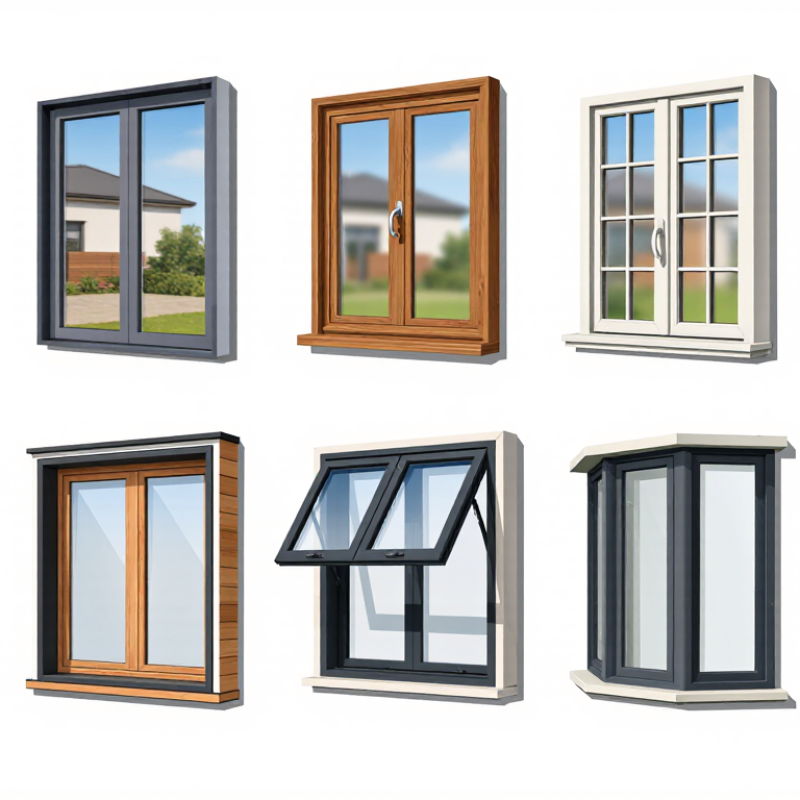
Choosing among replacement windows requires more than comparing prices. Measure opening size, wall depth, ventilation needs, climate, and local building rules. Double-hung windows offer easy cleaning and adjustable airflow. Casement windows usually seal tightly and catch side breezes. Awning windows open outward from the top, helping during light rain. Their hardware needs enough exterior clearance.

Sliding windows move horizontally and suit wide openings with limited outside space. They are simple to operate, but their tracks can collect dust. Picture windows provide broad views and strong daylight, though they do not ventilate. Bay windows project outward and create seating space. They also demand careful structural support and weather sealing.

Bow windows create a curved, wider projection than bay units. Hopper windows open inward and work well in basements or compact rooms. Garden windows add a small shelf for plants, but they may increase heat gain. Tilt-and-turn windows offer inward ventilation and convenient cleaning, especially in upper stories. However, unfamiliar hardware can confuse users at first.

Compare frame materials, glazing layers, air leakage ratings, solar heat gain, and warranty terms. A sunny coastal room may need different glass from a cold inland bedroom. Check drainage paths after installation. Small errors around the sill can cause drafts or hidden moisture. I have seen attractive windows perform poorly when measurements were rushed. A cheaper unit is not always economical. Yet premium specifications can be wasteful when the opening, climate, or maintenance routine does not require them.

10 Best House Windows Replacement Options for Global Buyers - How to Compare the 10 Main Replacement Window Types

Replacement Window Type Typical Service Life Maintenance Level Thermal & Energy Performance Weather & Climate Suitability Relative Cost Key Advantages Main Limitations
Vinyl / uPVC Approximately 20–40 years when properly installed and protected from excessive heat exposure Low
Does not normally require painting; clean frames and lubricate hardware periodically
Good to very good. Multi-chamber profiles, insulated frames, low-emissivity glass and inert-gas fills can reduce heat transfer Suitable for cold, temperate and humid regions. Color and profile selection should account for strong solar exposure and thermal expansion Low to medium Good insulation-to-cost ratio; resistant to rot, rust and insects; widely available in many markets Can expand and contract with temperature; lower-end profiles may warp, discolor or have weaker hardware; limited frame color choices in some markets
Wood Approximately 30–60 years or longer with regular maintenance and effective moisture protection High
Needs periodic sealing, staining or painting, especially on exposed exterior surfaces
Very good natural insulation. Performance depends heavily on frame construction, glazing, air sealing and moisture control Effective in cold and temperate climates; requires careful detailing in wet, coastal or very humid locations Medium to high Warm appearance; renewable material when responsibly sourced; can be repaired, refinished and customized Vulnerable to moisture, fungal decay and insects if neglected; requires more upkeep than most modern synthetic frames
Fiberglass Approximately 30–50 years Low
Usually limited to cleaning, seal inspection and hardware maintenance
Very good. Low thermal expansion is close to that of glass, helping long-term seal and alignment stability Well suited to cold, hot and variable climates; performs well where large seasonal temperature changes occur Medium to high Strong, dimensionally stable, corrosion-resistant and capable of supporting larger glazed areas Often more expensive and less widely stocked than vinyl; fewer local installers may have extensive experience
Aluminum Approximately 30–50 years, depending on coating, hardware and exposure Low
Clean surfaces and inspect finishes, drainage paths and hardware
Fair for non-thermally broken frames; good for thermally broken systems with insulated glazing Strong choice for hot, windy and coastal areas when a corrosion-resistant finish and suitable drainage are specified Low to medium for basic systems; medium to high for thermally broken systems Lightweight, strong, slim sightlines, non-combustible and highly recyclable Conducts heat readily without a thermal break; coastal salt, alkaline masonry and poor coatings can accelerate corrosion
Wood-Clad Approximately 30–60 years or longer with proper maintenance Medium
Exterior cladding reduces maintenance, but finishes, joints and interior wood still need inspection
Very good to excellent when combined with insulated glazing and well-sealed construction Suitable for cold and temperate climates; select durable exterior cladding and robust water management for wet regions High Combines wood’s interior appearance and insulation with a more weather-resistant exterior layer Higher purchase price; damage to cladding or seals can be costly to repair; installation quality is critical
Composite Approximately 30–50 years, depending on the material blend and finish Low to medium
Generally no routine painting, but inspect finishes, joints and hardware
Good to very good. Performance varies substantially because “composite” may include different resin, fiber, wood or mineral formulations Suitable for varied climates when the product is tested for local temperature, moisture, wind and ultraviolet conditions Medium to high Can combine structural strength, low maintenance and improved thermal performance; many appearance options are available Product specifications differ widely; repairability and recyclability depend on the exact formulation and construction
Steel Approximately 30–60 years with effective corrosion protection and regular hardware maintenance Medium
Inspect coatings, drainage, seals and rust-prone areas
Fair to good. Thermal breaks and insulated glazing are important because uninsulated steel conducts heat efficiently Useful for severe wind, impact-resistant designs and slender architectural frames; coastal installations need strong corrosion protection Medium to high Very strong, slim profiles, durable appearance and good resistance to fire compared with many polymer frames Heavy and thermally conductive without a break; surface damage can lead to corrosion; usually costs more than basic aluminum or vinyl
Glass Block Approximately 50 years or longer for the blocks; seals, mortar and framing may require earlier repair Low to medium
Clean surfaces and inspect mortar, silicone joints and perimeter frames
Moderate. Provides privacy and diffuse daylight, but usually offers less ventilation and lower thermal performance than modern operable insulated windows Best for bathrooms, basements and privacy openings; use designs rated for local wind, impact and moisture conditions Medium High privacy, daylight transmission, durability and resistance to moisture; difficult to see through clearly Usually fixed and cannot provide normal ventilation or emergency egress; heavy construction may require structural review
Acrylic or Polycarbonate Block Approximately 20–40 years, depending on ultraviolet exposure, seals and material quality Low
Clean with non-abrasive products and inspect seals for aging or discoloration
Moderate. Lightweight units can provide privacy and daylight, but thermal and acoustic results vary by design Useful where low weight and impact resistance are priorities; ultraviolet-stabilized products are important in sunny climates Medium Lighter than glass block; impact-resistant options are available; suitable for selected retrofit applications Can scratch, yellow or lose clarity with ultraviolet exposure; generally offers limited ventilation and less premium appearance than glass
Hybrid Aluminum-Wood Approximately 30–60 years with proper maintenance of the exterior finish and interior wood Medium
Inspect exterior coatings, drainage, interior finish and hardware
Very good when the wood interior, thermal break and insulated glazing are correctly engineered Suitable for cold, temperate and high-exposure climates when the exterior aluminum finish is specified for local conditions High Combines a warm interior finish with a durable metal exterior; strong frames and many glazing configurations are possible Higher cost and weight; exterior coating damage and interior moisture problems still require prompt repair

Comparison note: Service life and energy performance are indicative ranges, not guarantees. Actual results depend on frame quality, glazing configuration, climate, installation, ventilation, drainage, maintenance and local building-code requirements. For energy comparisons, request certified whole-window U-factor, solar heat-gain coefficient and air-leakage ratings for the specific unit.

Materials, Glass Options, and Energy Efficiency Factors

10 Best House Windows Replacement Options for Global Buyers

Window performance starts with the frame. Vinyl and uPVC offer low maintenance, while fiberglass resists expansion in changing temperatures. Thermally broken aluminum suits large openings but needs careful detailing around the frame. Wood provides strong insulation, although moisture control is essential. Composite frames balance durability and appearance, yet their quality varies by manufacturer. For coastal homes, corrosion resistance deserves extra attention. These are practical differences, not just showroom language.

Glass selection changes comfort dramatically. Double glazing is a sensible baseline for moderate climates. Triple glazing performs better in cold regions, but it adds weight and cost. Low-emissivity coatings limit radiant heat transfer. Argon filling improves insulation; krypton can help in thinner sealed units. Laminated glass reduces noise and improves safety, while tempered glass handles impact better. The U.S. Department of Energy reports that windows can cause 25–30% of residential heating and cooling energy use. That figure makes installation as important as glass specification.

Look for independently verified U-factor and solar heat gain coefficient ratings, such as those defined by the National Fenestration Rating Council. Lower U-factor means better insulation. SHGC should match the climate: lower values help hot regions, while higher values can support passive winter warmth. Air leakage also matters. A slightly cheaper window with poor sealing may disappoint. I have seen beautiful units underperform because installers ignored drainage and orientation. Perfect choices do not exist; regional weather, wall construction, and honest testing should guide the final decision.

10 Best House Window Replacement Options for Global Buyers

Representative whole-window U-factor values for common replacement configurations. Lower U-factor means better insulation and reduced heat transfer.

Performance depends on frame design, glazing layers, low-emissivity coatings, gas fill, spacer quality, climate, and installation. Triple glazing and thermally improved frames generally provide the strongest insulation, while low-e double glazing offers a balanced solution for many climates. U-factor is shown in Btu/h·ft²·°F; lower values indicate better energy efficiency.

Installation Methods, Regional Standards, and Climate Needs

10 Best House Windows Replacement Options for Global Buyers

Installation methods, regional standards, and climate needs should guide every replacement decision. Ten practical options include uPVC, aluminum, timber, fiberglass, composite, double-glazed, triple-glazed, low-E, impact-resistant, and tilt-and-turn windows. These categories can overlap. For example, a timber frame may also use triple glazing.

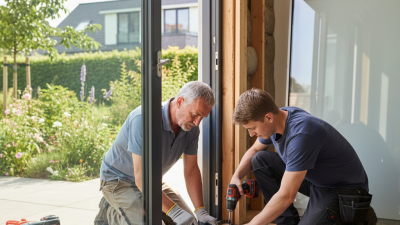
Full-frame replacement removes the existing frame and exposes hidden damage. It suits older homes, uneven openings, and major energy upgrades. Insert installation keeps the original frame and reduces wall disturbance. However, it may reduce glass area. Retrofit windows can work in masonry buildings, but accurate measurements are essential. A small gap can cause drafts, water entry, or difficult operation.

Climate changes the specification. Cold regions usually need low U-values, warm-edge spacers, and triple glazing. Hot climates benefit from low solar heat gain and external shading. Humid areas need drainage paths and carefully sealed joints. Coastal homes require corrosion-resistant hardware and tested impact performance. Desert buildings may need reflective coatings, yet excessive tint can reduce daylight. Regional standards also differ. North American buyers often compare U-factor and SHGC, while European projects commonly use Uw values. Australian homes may reference whole-window energy ratings. Local wind, water, air, egress, and fire requirements still matter. No option is perfect. Some energy-efficient units are heavy, and installers sometimes underestimate structural support. Ask for test data, written installation details, and evidence of local approval before ordering.

Costs, Maintenance, and Choosing the Right Windows for Your Home

Replacing house windows is not only a design decision. It affects heating, cooling, noise, security, and daily comfort.

Ten practical options include vinyl, timber, aluminum, fiberglass, composite, uPVC, casement, sliding, awning, and tilt-and-turn windows.
Each suits different climates, budgets, and maintenance habits.

Costs vary widely between countries. Measure the opening carefully, then request itemized quotes for frames, glass, installation, removal, and disposal.

Double glazing often improves comfort, while triple glazing may suit colder regions but adds weight and expense. Low-emissivity glass can reduce heat transfer, though its value depends on local sunlight and energy prices.

Timber feels warm and repairable, but it needs regular sealing. Aluminum is durable, yet poor thermal design can create condensation.

Vinyl usually costs less, but quality varies considerably. I once underestimated installation costs; the frame price looked attractive, but finishing work changed the final bill. That mistake still influences how I compare quotes.

Tips:

Check drainage holes and frame warranties before ordering. Ask who handles installation problems. Inspect sample corners and seals in daylight. Choose inward-opening designs only when furniture will not block them. In humid areas, inspect timber annually and clean tracks every few months. Keep receipts and product specifications for future repairs. A local building professional can verify ventilation, emergency exits, and climate suitability. One detail matters: a beautiful window performs poorly when installed unevenly.