How to Choose Home Windows Replacement in 2026?
Choosing home windows replacement in 2026 requires more than comparing attractive frames and advertised discounts. A replacement window affects indoor comfort, energy use, outside noise, and moisture control. Building scientist Joseph Lstiburek has emphasized, “Windows are holes in walls.” That simple statement matters. Every opening can become a weak point when measurements, flashing, or installation are handled poorly.
A reliable decision begins with your climate, wall condition, and daily experience. Notice the cold air near older glass on winter mornings. Check whether condensation collects on the sill. Listen for traffic noise after sunset. These details reveal problems that product brochures may hide. Compare NFRC-certified U-factor and solar heat gain ratings, rather than trusting vague terms like “energy efficient.” Consider vinyl, fiberglass, or wood frames based on maintenance, durability, and appearance. A low price can become expensive when installation requires hidden repairs.
Installation deserves equal attention. Confirm the contractor’s licensing, insurance, references, and written warranty. Ask how the sill pan, perimeter flashing, insulation, and interior trim will be completed. Do not ignore the surrounding wall. Rot, water stains, or uneven openings may change the project scope.
No choice is perfect. A highly sealed window may reduce drafts but expose ventilation weaknesses. A large glass area can brighten a room and increase summer heat. This guide will help you weigh those trade-offs honestly. It will also challenge one common assumption: replacing every window at once is not always the wisest investment. A careful home windows replacement plan should match your home’s evidence, not just current design trends.
Assess Why Your Home Needs Window Replacement
Before choosing home window replacement in 2026, identify the actual failure. Cold air around the sash may indicate worn weatherstripping, poor installation, or frame movement. Fog between panes usually means a failed insulating seal. Rot, soft wood, and recurring water stains require faster attention. Do not replace everything automatically. Sometimes repair is wiser.
The U.S. Department of Energy estimates that windows can cause 25–30% of residential heating and cooling energy use. That figure makes diagnosis important, but it is not a promise of equal savings in every home. Check each room on a cold or windy day. Feel the glass edges, inspect the frame corners, and watch for moving curtains. A handheld infrared thermometer can reveal colder surfaces that your hand misses. Small details matter.
Age also changes the decision. Harvard’s 2024 State of the Nation’s Housing report describes an aging U.S. housing stock, with many homes now several decades old. Older frames may hide moisture damage or outdated glazing. Look outside after rain. Peeling paint, swollen trim, and dark sill joints deserve professional inspection. I would question any quote that ignores installation conditions. A better window cannot fully correct a damaged opening. Nor can a low price compensate for careless measurements. Rules vary by climate, orientation, and wall design. The right replacement begins with evidence, not appearance.
Compare Window Materials, Styles, Glass, and Energy Ratings
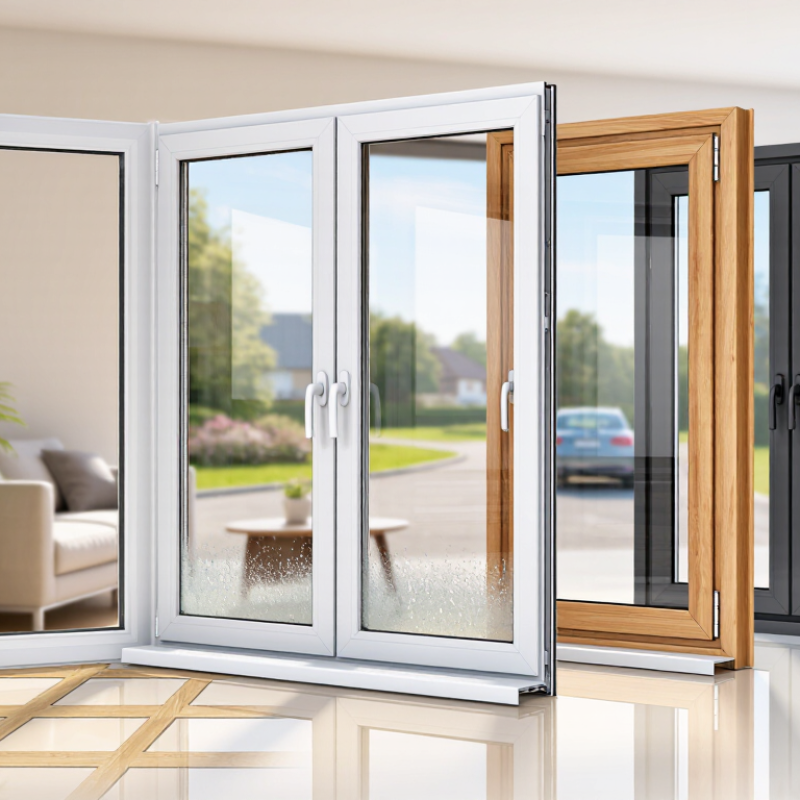
Choosing replacement windows in 2026 requires more than comparing appearance and price. In renovation projects, I have seen material choices affect comfort, maintenance, and noise levels.
Vinyl frames usually cost less and resist moisture. Fiberglass offers stronger frames and better dimensional stability.
Wood provides warmth, but it needs regular sealing and careful inspection. Composite materials can balance durability and appearance, though quality varies.
Window style also changes daily use. Casement windows often seal tightly and direct fresh air indoors. Double-hung windows suit traditional homes and allow easier cleaning. Sliding windows save space, but their seals may need more attention over time.
Glass selection deserves equal care. Double-pane glass works for many homes, while triple-pane glass can reduce heat transfer in colder regions. Low-emissivity coatings help control indoor temperatures. Check both the U-factor and solar heat gain coefficient.
A lower U-factor generally means better insulation. SHGC should match your climate and window exposure.
Tips: Request the complete energy label. Measure each opening separately. Ask how installers handle flashing and air sealing. A high-rated window can perform poorly after rushed installation. I once underestimated afternoon sun on a west-facing room; the glass was efficient, but the space still became uncomfortable. External shading would have helped. Energy ratings guide decisions, but local weather, wall condition, and installation quality matter just as much.
Measure Existing Openings and Confirm Building Requirements
How to Choose Home Windows Replacement in 2026?
Measure each existing opening before comparing window styles or prices. Do not trust old plans alone. Record the width at the top, middle, and bottom. Then measure the height on both sides and in the center. Use the smallest width and height when checking replacement options. Also measure the frame depth, sill angle, and wall thickness. Check the diagonals. Unequal diagonals may show that the opening is not square.
A careful inspection can reveal hidden problems, such as soft wood, water stains, cracked masonry, or an undersized header. These issues can affect the final installation. Confirm local building requirements before ordering. Bedroom windows may need emergency escape dimensions. Bathrooms and doors may require safety glazing. Energy rules can also vary by climate zone. Ask a qualified installer or building official to verify permits, ventilation, insulation, and structural conditions. Requirements change. Guessing is risky.
Tips: Photograph every opening with its measurements beside it. Label each room and window. Keep a simple worksheet. If one measurement looks unusual, measure again. A rough note is useful, but it is not a final specification. Consider how furniture, curtains, and cleaning access will affect the selected design. Blackout needs, outdoor noise, and winter drafts deserve attention too. Small details often decide whether the replacement feels truly comfortable.
Set a Budget and Evaluate Installers, Warranties, and Permits
Replacing home windows in 2026 should begin with a measured budget, not a showroom visit. The U.S. Department of Energy estimates that windows can cause 25% to 30% of residential heating and cooling energy use. Set aside 10% to 15% for hidden damage, trim repairs, and disposal. The 2024 Cost vs. Value report found that replacement windows typically recover about two-thirds of their cost at resale. That figure is useful, but it is not a promise.
Request at least three written estimates. Each should list window type, glass performance, labor, flashing, cleanup, and permit responsibilities. Ask installers for current licenses, insurance proof, recent local references, and photographs of completed work.
A professional should explain U-factor and solar heat gain coefficient without hiding behind technical language. Check the installation plan carefully. I have learned that a low quote often omits interior repairs.
Read warranties before signing. Separate product coverage from labor coverage, and confirm who handles service calls. Ask whether coverage transfers to a future owner, and record maintenance requirements. Local building departments may require permits, especially when opening sizes or structural framing change. Confirm this before ordering materials. The permit fee is small compared with correcting an inspection failure. Keep the contract, approvals, product labels, and final inspection record together. Some details will remain uncertain, especially older homes with uneven frames. That uncertainty deserves a written allowance, not a hopeful guess.
Plan Installation and Prepare for Long-Term Window Maintenance
How to Choose Home Windows Replacement in 2026?
Window replacement should begin with installation planning, not product photos. Measure each rough opening at least twice, recording width, height, wall depth, and room direction. A south-facing window may need stronger solar control than a shaded northern opening. Check local energy codes, permit requirements, emergency-exit rules, and historic-home restrictions before ordering.
Installation details often decide long-term performance. Ask the contractor how they will inspect the framing, level the sill, install flashing, and seal air gaps. A sill pan can help direct hidden moisture outside. The window should open smoothly before interior trim is completed. Do not accept hurried foam work. Too much expanding foam can distort the frame, while too little may leave cold drafts. Even careful planning can miss a damaged sub-sill.
Maintenance begins on installation day. Keep the invoice, product specifications, glass details, and warranty terms in one folder. Twice a year, clean tracks and weep holes with a soft brush. Inspect exterior sealant for cracks, loose sections, or dark moisture marks. Lubricate moving hardware only with a suitable product. Harsh cleaners may damage finishes.
Watch the indoor humidity.
Persistent condensation deserves attention, but it does not always mean the window failed. Improve ventilation, check room humidity, and inspect nearby insulation before blaming the glass. After the first winter, review drafts, operation, and water resistance with the installer. That small follow-up can reveal problems while repairs remain simpler.
How to Choose Home Window Replacement in 2026?
Plan Installation and Prepare for Long-Term Window Maintenance
Typical service life varies by frame material, installation quality, climate exposure, glass performance, and maintenance. Vinyl windows generally offer low maintenance and a 20–40 year planning range, while wood windows can last 30–60 years when regularly painted or sealed. Fiberglass commonly lasts 30–50 years, and aluminum typically lasts 20–30 years, especially in coastal or highly corrosive environments.
These are broad residential planning ranges rather than guarantees. Before replacement, inspect air leakage, condensation, water intrusion, frame condition, hardware operation, and local energy-code requirements. After installation, clean tracks and drainage openings regularly, inspect exterior sealants annually, and renew paint or protective finishes as needed.
Related Posts
-
10 Tips for Home Window Replacement Buyers?
-

Best Apex Windows for Your Home Upgrade Needs?
-
2025 Top Trends in Exterior Doors for Your Home Upgrade
-
What is Patio Door Replacement? A Comprehensive Guide to Upgrading Your Home's Entryway
-
Transform Your Home's Curb Appeal with Stunning Exterior Front Doors: A Comprehensive Guide
-
Transform Your Home's Aesthetic: The Ultimate Guide to Choosing French Doors