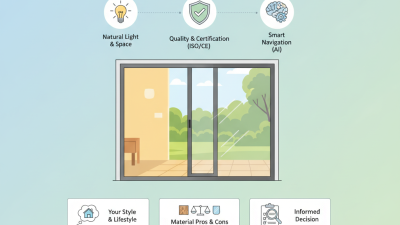
Top 10 Sliding Door Replacement Options and Costs?
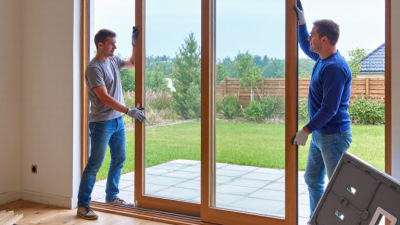
Replacing a patio door is rarely just a matter of choosing new glass. A successful sliding door replacement depends on measurements, wall condition, drainage, security, and installation quality. This guide examines ten replacement options, from basic vinyl units to premium aluminum, fiberglass, and multi-panel systems. It also explains realistic costs, which may range from several hundred dollars to several thousand. Labor, disposal, trim repairs, and structural adjustments can change the final invoice quickly.
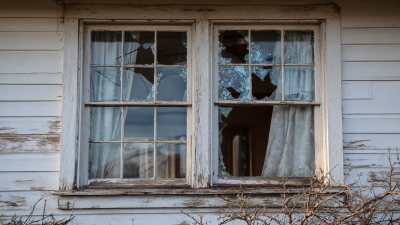
Tom Silva, longtime general contractor and This Old House expert, has emphasized, “The door must be plumb, level, and square.” That practical rule still matters. Even an expensive door can stick, leak, or rattle when the opening is uneven. Check the rough opening, frame corners, track condition, and water stains before ordering. Feel the floor near the sill. Soft wood may signal hidden damage. Small details matter.
Prices are not perfectly predictable. Some estimates will be wrong. Local labor rates, glass ratings, custom colors, and permit requirements can shift the budget. A standard replacement may suit a dry, undamaged opening. A larger renovation may require flashing, framing, or professional waterproofing. Energy performance matters too, especially when afternoon sun heats the room.
The best option is not always the most expensive one. It should match the home, climate, daily use, and available budget. Use the comparisons ahead to question vague quotes, recognize necessary work, and avoid choosing a door based only on appearance.
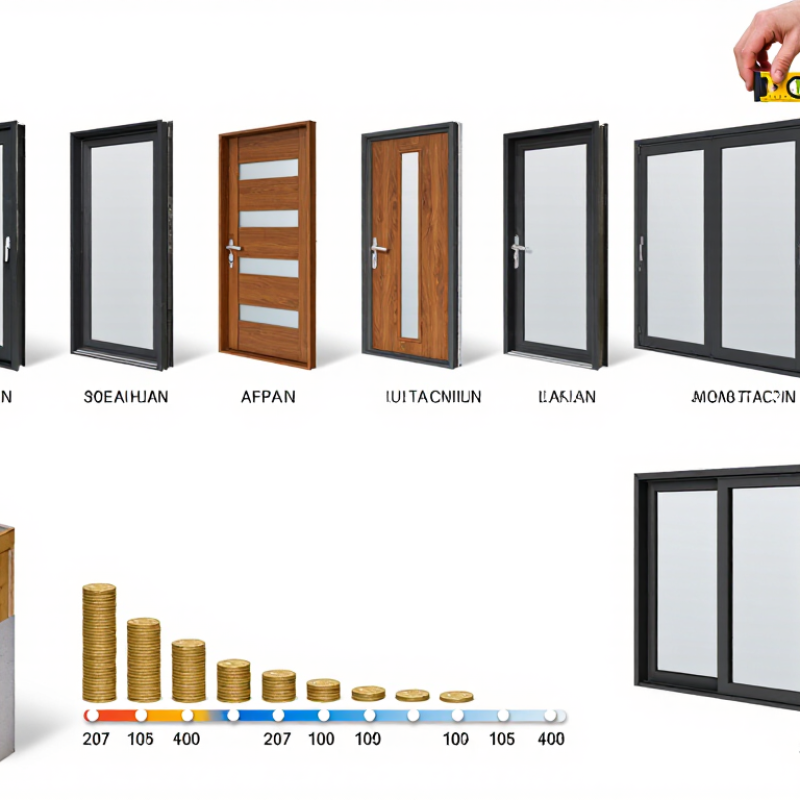
Sliding Door Replacement: Types, Materials, and Key Benefits
Sliding Door Replacement: Types, Materials, and Key Benefits
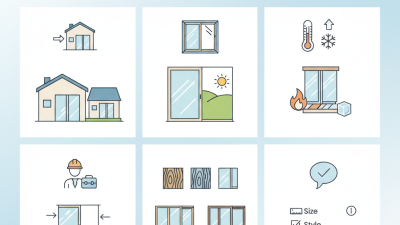
Replacing a sliding door can improve daylight, ventilation, security, and daily comfort. Common options include two-panel, three-panel, pocket, and stacking doors. Vinyl frames usually cost less and resist moisture. Fiberglass offers better rigidity and a cleaner finish. Aluminum is slim, strong, and useful for wide openings, but it can transfer heat more easily.
Glass choice matters as much as the frame. Double-pane low-emissivity glass can reduce drafts and indoor temperature swings. The U.S. Department of Energy reports that windows can cause 25–30% of residential heating and cooling energy use. Professional installation helps preserve that benefit. Typical replacement pricing ranges from about $1,200 to $5,000, according to recent home-improvement cost surveys. Large openings, wall repairs, custom glass, and upgraded locks increase the bill. Local labor can change it sharply.
Tips:
Measure the opening at the top, middle, and bottom. Check whether the wall is square. Ask for the glass U-factor and solar heat-gain coefficient in writing. Inspect the sill for hidden water damage before ordering. A low price may exclude disposal, trim, or structural repairs. I have found that homeowners often compare frame materials but overlook drainage design. That mistake can create stubborn leaks later. Check warranties carefully, too; coverage for glass, hardware, and installation may differ.
Sliding Door Replacement Costs by Material, Size, and Installation
Sliding door replacement costs depend heavily on material, opening size, glass, and installation difficulty. Ten practical options include vinyl, aluminum, wood, fiberglass, steel, composite, thermally improved aluminum, impact-rated glass, energy-efficient glass, and oversized multi-panel systems. A basic two-panel vinyl door often costs $600 to $1,500, while a wood or fiberglass unit may range from $1,500 to $4,000. Premium multi-panel systems can exceed $5,000.
Size changes the estimate quickly. A standard 60-by-80-inch opening usually needs less labor and simpler framing. A 72-inch opening costs more. Eight-foot or wider doors may require reinforced headers, stronger rollers, and careful delivery planning. Installation commonly adds $500 to $2,000. Removing an old frame, repairing water damage, replacing trim, or correcting an uneven sill can increase that figure.
Material choice affects comfort and maintenance. Vinyl resists moisture and needs little upkeep, but cheaper frames can flex. Aluminum looks clean and slim, though older designs may transfer heat. Wood feels substantial but needs regular sealing. Fiberglass offers stability, yet it is not always easy to source. These ranges are useful planning figures, not guarantees. Local labor rates vary. A detailed measurement matters more than an online calculator. I would inspect the sill, drainage path, frame, and wall condition before approving any quote. Mistakes often begin with measuring only the visible glass.
Top 10 Sliding Door Replacement Options and Costs
| # |
Replacement Option |
Material |
Typical Size |
Door Configuration |
Door Cost |
Installation |
Removal and Finishing |
Estimated Total |
| 1 |
Standard Two-Panel Patio Door |
Vinyl |
60 × 80 in |
One fixed panel, one sliding panel |
$700–$1,800 |
$400–$900 |
$100–$300 |
$1,200–$3,000 |
| 2 |
Wide Two-Panel Patio Door |
Vinyl |
72 × 80 in |
One fixed panel, one sliding panel |
$900–$2,200 |
$500–$1,000 |
$150–$350 |
$1,550–$3,550 |
| 3 |
Energy-Efficient Sliding Door |
Fiberglass |
72 × 80 in |
Two-panel insulated glass unit |
$1,500–$3,500 |
$600–$1,200 |
$150–$400 |
$2,250–$5,100 |
| 4 |
Contemporary Narrow-Frame Door |
Aluminum |
72 × 80 in |
Two-panel sliding system |
$1,200–$3,000 |
$600–$1,200 |
$150–$400 |
$1,950–$4,600 |
| 5 |
Premium Traditional Sliding Door |
Wood-clad |
72 × 80 in |
Two-panel sliding system |
$2,500–$5,500 |
$800–$1,600 |
$200–$500 |
$3,500–$7,600 |
| 6 |
Three-Panel Family Room Door |
Vinyl |
108 × 80 in |
Two sliding panels with center opening |
$2,200–$5,000 |
$900–$1,800 |
$250–$600 |
$3,350–$7,400 |
| 7 |
Large Three-Panel Insulated Door |
Fiberglass |
108 × 80 in |
Two sliding panels with fixed center panel |
$3,500–$7,500 |
$1,000–$2,200 |
$300–$700 |
$4,800–$10,400 |
| 8 |
Storm-Resistant Sliding Door |
Impact-rated aluminum |
60 × 80 in |
Two-panel impact-resistant glass |
$2,500–$5,000 |
$800–$1,600 |
$200–$500 |
$3,500–$7,100 |
| 9 |
Extra-Tall Sliding Door |
Aluminum |
72 × 96 in |
Two-panel sliding system |
$1,800–$4,200 |
$900–$1,800 |
$200–$500 |
$2,900–$6,500 |
| 10 |
Custom Multi-Panel Lift-and-Slide Door |
Aluminum or wood-clad |
144 × 96 in |
Three or four large sliding panels |
$6,000–$12,000 |
$1,800–$3,500 |
$500–$1,200 |
$8,300–$16,700 |
Cost basis: Estimates are typical U.S. replacement prices in 2026 and include the door unit, professional installation, removal of the existing door, and basic trim or threshold finishing. Prices may increase for structural modifications, wall reframing, permit fees, custom glass, difficult access, or regional labor differences.
How to Compare Energy Efficiency, Security, and Maintenance Needs
When replacing a sliding door, compare the whole system, not only the glass. Ten common options include basic vinyl, insulated vinyl, aluminum, thermally broken aluminum, wood, fiberglass, steel, impact-rated, lift-slide, and multi-panel doors. Typical replacement costs range from $900 to $8,000, depending on size, labor, wall changes, and local prices. A simple vinyl unit often costs less, while lift-slide and impact-rated systems require larger budgets.
Energy efficiency begins with the frame and glass together. Look for low-emissivity glass, insulated chambers, tight weatherstripping, and a verified low U-factor. In a cold room, stand near the closed door on a windy day. A noticeable draft signals poor sealing, even when the glass looks modern. Solar heat gain also matters. Large west-facing doors may need lower solar gain to reduce afternoon heat.
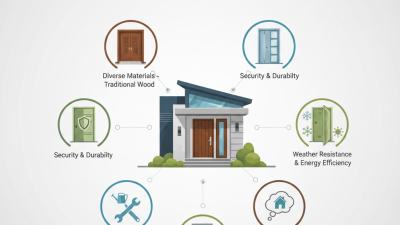
Security depends on more than a single latch. Choose a strong keeper, anti-lift blocks, a reinforced frame, and laminated or tempered safety glass. Ask whether the lock remains effective after years of use. Maintenance varies sharply. Vinyl and fiberglass usually need cleaning and occasional roller adjustment. Wood demands paint or sealant checks, especially near wet floors. Aluminum resists rot but can transfer heat unless thermally separated. I have seen expensive doors fail early because installers ignored drainage and floor alignment. That is an uncomfortable detail, but it deserves attention. Compare warranties, drainage paths, replacement parts, and installation records before choosing the lowest quote.
Step-by-Step Guide to Choosing and Installing a Replacement Door
Replacing a sliding door begins with measurement, not shopping. Measure the rough opening, panel height, jamb depth, and exterior trim twice. My first measurement would be the threshold, because a small error can create drafts or water entry. Check whether the wall is load-bearing before removing the frame. A qualified installer should inspect this area.
Choose the door by climate, security needs, and daily use. The U.S. Department of Energy reports that windows and doors can account for 25–30% of residential heating and cooling energy use. Look for a low U-factor, suitable solar heat-gain control, insulated glass, and tested air leakage ratings. The National Fenestration Rating Council explains these labels, but ratings do not replace careful installation. A beautiful door can still perform poorly if the sill slopes inward.
Budget for more than the panel. Published 2024 remodeling-cost surveys often separate materials, labor, disposal, trim, flashing, and structural repairs, although they rarely isolate sliding doors. Basic replacements may cost about $1,000–$2,500, while larger insulated units with upgraded hardware can exceed $4,000. Request two or three written bids with identical specifications. Confirm who handles permits, old-door disposal, waterproofing, and final adjustment. Do not accept vague “installation included” language. It sounds convenient, but it may hide the expensive parts. After installation, test the lock, rollers, weather seals, and drainage during light rain.
Top 10 Sliding Door Replacement Options and Costs
Typical U.S. replacement costs shown below include the door unit and professional installation. Actual prices vary by size, glass type, frame condition, labor rates, and local building requirements.
How to use this chart: Start by choosing the door style, frame material, opening size, energy-efficiency level, and security features that fit your home. Request a detailed quote after inspecting the existing opening for water damage, structural issues, or required code upgrades.