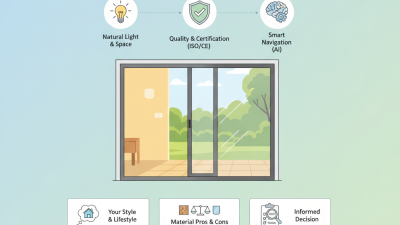
How to Choose Windows and Doors in 2026
Choosing windows and doors in 2026 requires more than comparing attractive finishes and online prices. These products influence comfort, energy use, security, daylight, and daily movement through your home. A well-chosen window can soften street noise and reduce winter drafts. A suitable door can improve insulation while making the entrance feel welcoming.
This guide examines practical decisions homeowners and project teams often face. It considers glazing, frame materials, thermal performance, ventilation, weather exposure, maintenance, and installation quality. Local climate matters greatly. A coastal home may need corrosion-resistant hardware, while a cold region may benefit from low-emissivity glass and insulated frames. Accurate measurements are essential. Even a premium product can underperform when fitted poorly.
Real-world experience also reveals a less comfortable truth: the most expensive option is not always the best choice. Some impressive features add cost without improving your home. Others look durable but require careful maintenance. Product labels can be confusing, and performance claims should be checked against independent testing, manufacturer documentation, and qualified installer advice. Ask for clear warranty terms.
Small details matter.
We will also consider accessibility, ventilation, natural light, and long-term repair needs. A door that feels heavy today may become inconvenient later. A large window may brighten a room but increase heat gain without shading. These trade-offs deserve honest reflection. This guide offers a practical framework, not a universal answer, because every building, budget, and climate is different. Reliable decisions begin with evidence, careful observation, and advice suited to the property.
Define Your Needs, Climate, and Building Requirements
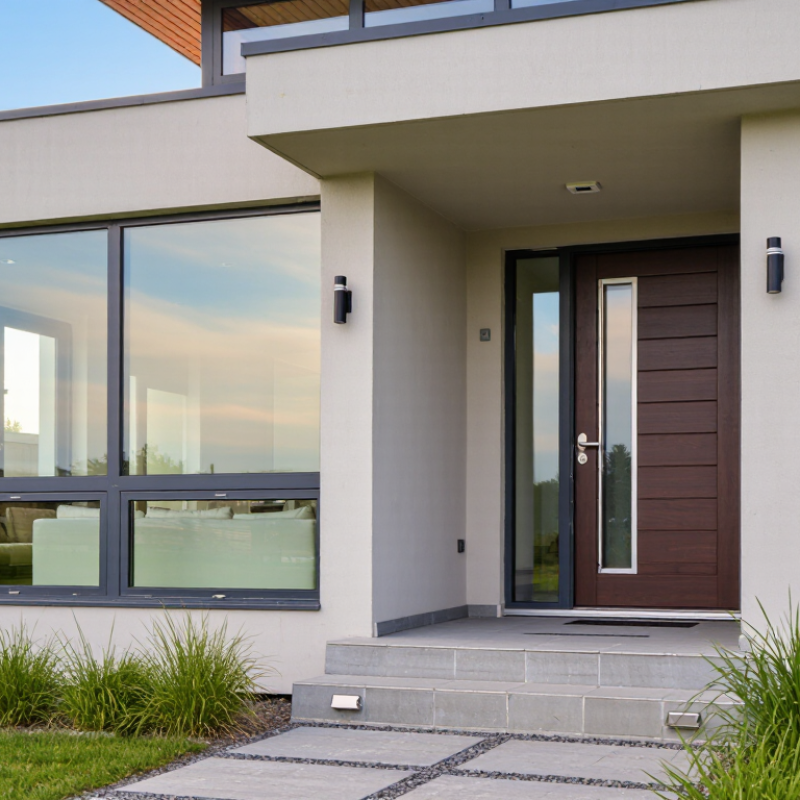
Choosing windows and doors in 2026 starts with the building, not the product catalogue. List each room’s purpose, daylight needs, privacy level, ventilation habits, and security concerns. A south-facing bedroom may need lower solar heat gain, while a shaded hallway may benefit from larger glazing. The U.S. Department of Energy reports that windows can cause 25–30% of residential heating and cooling energy use. That figure makes orientation and glass performance practical decisions, not decorative details.
Climate changes the specification. In cold regions, prioritize low U-factor, warm-edge spacers, and airtight installation. Hot, sunny locations need suitable solar heat gain control, exterior shading, and moisture-resistant frames. NFRC ratings help compare U-factor, solar heat gain coefficient, visible transmittance, and air leakage. A triple-pane unit is not automatically better. It can add weight, cost, and installation demands. The first draft is rarely perfect.
Building requirements must be checked before ordering. Confirm rough openings, egress dimensions, sill heights, fire separation, wind exposure, water resistance, acoustic goals, and accessibility needs. The International Energy Agency estimates that buildings consume about 30% of global final energy, so small specification errors can scale across a project. On site, verify flashing continuity and the drainage path. A beautiful frame cannot repair a wet wall. Local codes and an experienced installer should review the final schedule, especially when climate data and drawings disagree.
Compare Window and Door Materials, Styles, and Configurations
How to Choose Windows and Doors in 2026
Material affects comfort, maintenance, and service life.
Vinyl frames resist moisture and usually need little upkeep. Fiberglass offers stronger thermal stability, especially during sharp seasonal changes. Wood provides warmth and repairability, but it needs regular sealing. Aluminum looks slim and modern, though it can transfer heat without a thermal break.
Styles should match both the room and the building’s daily use.
Casement windows catch breezes well, while sliding windows need less exterior clearance. Double-hung designs suit traditional rooms and allow flexible ventilation. For doors, hinged units feel substantial, while sliding panels preserve floor space. A pivot door creates drama, but its hardware and weather sealing require careful installation.
Configuration changes how a wall performs.
A wide window with fixed panels can bring in more daylight than several small units. Sidelights brighten an entry, but they may reduce privacy. Transoms add height without demanding extra floor area. In my first renovation comparison, I focused too much on appearance and underestimated sill drainage. That mistake was expensive. Measure furniture paths, wall depth, sunlight, and prevailing wind before choosing. Check published U-factor, air-leakage, and water-resistance data. Ask the installer about flashing, shims, and weep paths. A beautiful frame cannot correct poor installation. Even experienced homeowners miss this detail.
Evaluate Energy Efficiency, Glazing, and Weather Resistance
How to Choose Windows and Doors in 2026
Energy efficiency should be judged as a complete system, not by one impressive number. Check the U-value, which measures heat transfer through the window. Lower values usually indicate better insulation. Solar heat gain matters too, especially in rooms facing strong afternoon sun. A low-emissivity coating can reduce heat loss while controlling unwanted warmth. Double glazing may suit mild climates, but triple glazing can improve comfort in colder regions. Ask for tested performance data, not vague claims.
Glazing is only half the decision. The frame, seals, spacers, and installation also affect results. Inspect the corners for continuous gaskets and compression seals. Small gaps can create cold drafts beside an otherwise efficient pane. Air leakage matters.
Weather resistance deserves a practical test. Look for independent ratings for wind pressure, water penetration, and air infiltration. In coastal or storm-prone areas, choose corrosion-resistant hardware and reinforced frames. Drainage paths should remain clear, allowing rainwater to escape rather than collect inside the frame. An outward-opening door needs secure seals, but overly tight seals can make daily operation frustrating.
I have seen beautiful units perform poorly because the wall opening was uneven. The product was not the only problem. Measure the opening carefully, verify flashing details, and inspect the installation before interior finishes hide the evidence. Higher specifications can still disappoint when workmanship is rushed.
Check Security, Accessibility, Durability, and Maintenance Needs
How to Choose Windows and Doors in 2026
In 2026, windows and doors should match your daily risks, not just your interior style. Check the frame, hinges, locking points, and glass before comparing finishes. A secure door should resist forced movement and close firmly without excessive pressure. Consider laminated glass for vulnerable ground-floor openings. Smart sensors can help, but they should not replace strong physical hardware. Ask an experienced installer for test reports and clear maintenance instructions.
Accessibility needs careful attention. Low thresholds reduce trip hazards, especially for children, older adults, and wheelchair users. Handles should work with limited grip strength. Sliding panels must move smoothly and stop safely.
Durability also depends on climate. Coastal air, heavy rain, dust, and strong sunlight can damage unsuitable materials. Choose finishes designed for local exposure, then inspect seals and drainage channels every season. I have seen expensive installations fail because small blocked channels were ignored.
Tips: Test every handle before purchase. Open and close sample units several times. Check whether locks remain usable during a power outage. Keep a simple maintenance record with dates and photographs. Clean tracks gently, and never force a stiff panel. Some advice online sounds convincing but lacks evidence. That deserves a second look. Ask who performed the testing, what conditions were used, and whether replacement parts remain available. Safety details are easy to overlook.
Set a Budget and Verify Installation, Standards, and Warranties
How to Choose Windows and Doors in 2026
Set the budget before comparing styles. Include the purchase price, delivery, removal, structural changes, permits, and installation. Keep a contingency of about 10 to 15 percent for hidden damage. A low quote may exclude interior trim or water protection. Ask for an itemized proposal with exact sizes, glass types, hardware, labor, and completion dates. I once focused on appearance and underestimated finishing work. That mistake changed how I review quotes.
Verify the installer, not only the product. Request proof of relevant training, insurance, references, and recent project photos. The contract should describe flashing, shims, insulation, drainage paths, and air sealing. Check that each unit is plumb, level, square, and easy to operate before final payment. Take photographs before the trim covers important joints. Small gaps can become expensive problems.
Standards vary by location and building type. Confirm current local requirements for energy performance, safety glazing, ventilation, emergency escape, wind resistance, and water management. Ask for test reports or compliance documents, rather than relying on vague claims. Read the warranty carefully. Separate product coverage from installation coverage, and check exclusions, maintenance duties, registration rules, transfer conditions, and response procedures. Some warranties sound impressive but provide little help when labor is excluded. I would also record serial numbers, invoices, and installation dates. Mistakes happen, so keep every document.
How to Choose Windows and Doors in 2026
Set a budget and reserve funds for professional installation, code compliance, testing, and warranty protection.
This illustrative planning allocation uses the total project budget as the baseline: 65% for windows and doors, 20% for professional installation, 5% for permits and inspections, and 10% for contingency. Before ordering, verify the local building code, energy-performance documentation such as an NFRC label where applicable, written installation instructions, and separate product and labor warranties. Actual costs vary by opening size, material, location, structural work, and access conditions.
Related Posts
-
How to Choose the Right Sliding Patio Doors at Canton Fair
-
Top 10 Benefits of Sliding Glass Doors for Modern Homes
-
China Best Aluminium French Doors Manufacturer for Buyers
-
The Ultimate Guide to Choosing Stylish Patio Windows for Your Home
-
How to Choose the Best Sliding Door Installation Services?
-
Enhance Your Home's Aesthetic: The Ultimate Guide to Choosing Sliding Patio Doors