What Are the 2026 Top Sliding Glass Door Types?
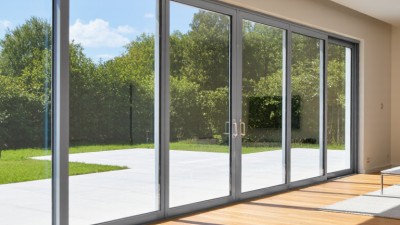
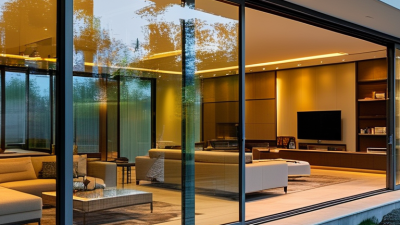
In 2026, sliding glass doors are no longer simple openings between rooms and patios. They now combine larger glass panels, slimmer frames, improved security, and smarter operation. Homeowners can choose traditional two-panel sliders, multi-panel stacking systems, pocket doors, corner-opening designs, and lift-and-slide models. Each type changes how a room feels, moves, and performs.
Renovation expert Mike Holmes often says, “Good building is about doing things right, not just making things look right.” That principle matters here. A beautiful door can still leak air, drag on its track, or create uncomfortable glare. The best choice depends on climate, wall structure, opening size, maintenance habits, and daily traffic. Small details matter. A soft-close roller should move quietly. A low threshold should remain stable under heavy use. The lock should feel deliberate, not flimsy.
This guide examines the leading sliding glass doors expected in 2026. It considers thermal performance, frame materials, glass coatings, accessibility, security, and installation demands. Some newer systems look impressive but require precise engineering and higher budgets. Others offer fewer features yet provide dependable value. That trade-off deserves honest attention.
Not every trend fits every home.
A careful comparison can prevent expensive disappointment. It can also reveal an uncomfortable truth: the most advanced door is not always the most suitable one. We will examine where each design works, where it struggles, and what buyers should question before choosing.
Lift-and-Slide Doors: 1,000-kg Panels and Low-Threshold Hardware
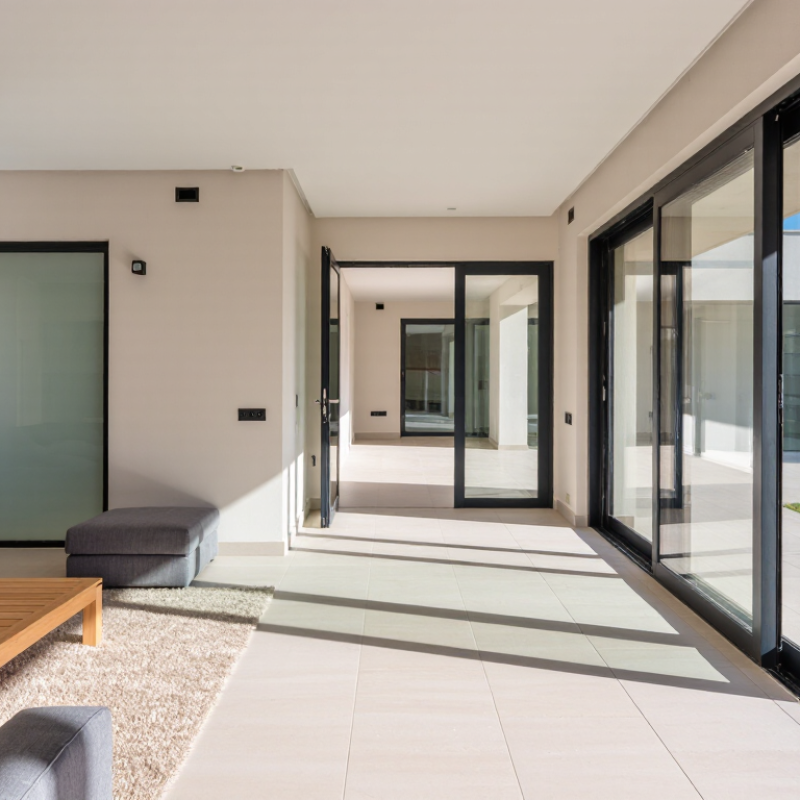
Lift-and-slide doors are becoming a leading choice for wide openings in 2026. Their main advantage is controlled movement, even with panels weighing up to 1,000 kilograms. Instead of scraping across the track, the hardware lifts each panel slightly before sliding it. This reduces friction and supports smoother daily operation. It also demands accurate installation. A small frame error can make a heavy panel feel unexpectedly difficult to move.
Low-threshold hardware creates a cleaner transition between indoor and outdoor areas. It can improve accessibility and reduce visual barriers at the floor line. However, a low threshold must still manage rainwater, wind pressure, and drainage. Installers should check the subfloor level, track alignment, and surrounding waterproofing before fitting the panels. These details matter more than attractive glass alone.
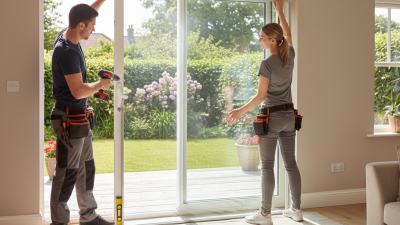
On active projects, teams often use temporary supports while adjusting rollers and locking points. The final movement should feel steady, not loose or abrupt. Finger-safe clearances and reliable locking hardware also deserve close inspection. I have seen designs prioritize an almost invisible threshold, then struggle with drainage during heavy rain. That is a useful warning. Slim hardware looks refined, but performance depends on careful detailing, regular cleaning, and realistic site testing. Seating the track correctly is critical.
Multi-Slide Doors: 2–6 Panels and 50%–75% Wider Openings
Multi-slide glass doors are becoming a leading choice for 2026 residential design. They use two to six panels that move along a track. When opened, they can create an opening 50% to 75% wider than many standard sliding doors. The difference feels immediate. A living room can connect more naturally with a patio, garden, or balcony.
Panel numbers affect both appearance and performance. Two panels suit compact rooms and require less wall space. Four panels create a broader view, while six panels support expansive openings in larger homes. I have found that track quality matters as much as panel size. A smooth track reduces effort, especially when panels contain insulated glass. However, wider openings may require stronger headers, careful drainage, and precise installation.
Weather exposure also deserves attention. Larger glass areas can increase heat gain, glare, and cleaning demands. Low-emissivity glass, reliable seals, and suitable shading can improve daily comfort. Energy performance depends on the entire door system, not glass alone. The 50%–75% figure is useful, but it is not universal. Actual results vary with panel width, wall structure, and opening configuration. A beautiful installation can still disappoint if the threshold collects water or the rollers need frequent adjustment. Careful site measurement remains essential.
Bi-Fold Glass Doors: 3–8 Panels and Up to 90% Clear Opening
What Are the 2026 Top Sliding Glass Door Types?
Bi-fold glass doors are gaining attention for flexible indoor-outdoor layouts. They usually include three to eight panels, folding neatly beside the opening. Some systems advertise up to 90% clear opening, but that figure depends on frame width, panel size, hardware, and installation accuracy.
The effect is immediate. A dining room can open toward a terrace, while folded panels occupy one compact side zone. It feels practical, not merely dramatic. However, an experienced installer will check floor levels, drainage, wind exposure, and panel weight before recommending a large configuration. Small details matter.
Energy performance still deserves scrutiny. The International Energy Agency’s Buildings 2023 report states that buildings consume about 30% of global final energy. Therefore, a wide opening should include properly specified low-emissivity glazing, weather seals, and suitable solar-control values. The National Fenestration Rating Council explains that U-factor and solar heat gain coefficient help compare window and door efficiency. Clear glass alone does not guarantee comfort.
A minor weakness remains. Eight panels can improve views but may increase adjustment needs and operating force. I would not select the maximum panel count automatically. Test the handle movement, inspect the sill, and confirm the clear opening on the approved drawings. A beautiful opening can still perform poorly when shading and ventilation are ignored.
Pocket Sliders: Recessed Panels with NFRC U-Factors Below 0.30
Pocket sliders are emerging as a leading 2026 door type. Their glass panels disappear into a recessed wall pocket, creating a wider visual opening. The room feels calmer. The wall stays clean. Yet, the pocket needs insulation, drainage, and continuous air sealing. Poor preparation can undermine an excellent door rating.
The National Fenestration Rating Council measures U-factor across the complete product assembly. A value below 0.30 indicates reduced heat transfer through the door system. The U.S. Department of Energy’s Energy Saver guidance reports that windows can account for 25% to 30% of residential heating and cooling energy use. That makes low-U-factor sliding doors relevant in many climates. It is not a promise.
Installers should verify the whole-unit NFRC label, not only the center-of-glass value. They should also inspect the sill pan, rollers, weather seals, and pocket framing before finishing the wall. A strong thermal rating means little if installation leaves a cold draft beside the panel. This detail is often missed. I would not treat 0.30 as a magic number, either. Solar heat gain, orientation, glass area, and local weather still change performance. Small errors matter.
Safety Benchmarks: ANSI Z97.1 Glazing and DP30+ Performance Ratings
What Are the 2026 Top Sliding Glass Door Types?
In 2026, popular sliding glass doors include two-panel, three-panel, and lift-and-slide systems. Their appearance matters, but safety performance matters more. Look for glazing tested under ANSI Z97.1, the recognized benchmark for safety glazing. This standard evaluates impact performance and helps reduce injury risks when glass breaks. Tempered and laminated glass can meet safety requirements, but the exact construction must be verified on the product label.
A DP30+ rating is also important in windy regions. DP means design pressure, measured through controlled performance testing. DP30 generally indicates resistance to 30 pounds per square foot, but the complete door assembly must achieve that rating. Frame strength, rollers, locks, glass thickness, and installation all influence results. A strong glass panel cannot correct a poorly anchored frame. This is where many selections go wrong.
Tips:
Ask for the ANSI Z97.1 certification details and the complete DP test report. Check whether the rating applies to the chosen size, glass package, and configuration. Review local building requirements with a qualified installer. Do not assume a heavier door is automatically safer. Sometimes, a simpler two-panel design performs more reliably than a large, complex opening. Measurements should be checked twice. Small errors can cause air leakage, difficult operation, or water intrusion. Safety labels are useful, but careful installation remains essential.