
7 Best Sliding Glass Doors for Global Buyers
Choosing the right sliding glass doors can transform a room, but appearance is only one part of the decision. Across coastal homes, city apartments, and modern commercial spaces, buyers need dependable performance in different climates. Wind, humidity, heat, noise, and daily traffic can quickly expose a weak frame or poor seal.
This guide presents seven carefully selected sliding glass doors for global buyers. Each option is considered through practical criteria, including glass quality, frame strength, thermal performance, security features, smooth operation, and installation support. The assessment draws on manufacturer specifications, professional installation practices, and real-world user concerns. Small details matter. A reinforced roller should move quietly, while a tight seal should prevent drafts around the frame.
Energy efficiency also deserves attention. A large glass panel can brighten a home, yet it may increase indoor heat if the glazing is unsuitable. Buyers should check local climate needs, available glass coatings, drainage design, and compatibility with regional building requirements. Product availability and after-sales service may vary by country.
Not every door suits every property. That matters.
Some premium models may offer excellent insulation but require more careful installation. Others may look impressive yet compromise ventilation or maintenance access. We have included these trade-offs rather than presenting a perfect answer. Before purchasing, compare verified dimensions, warranty terms, replacement parts, and installer experience. A beautiful door is valuable only when it performs reliably for years.
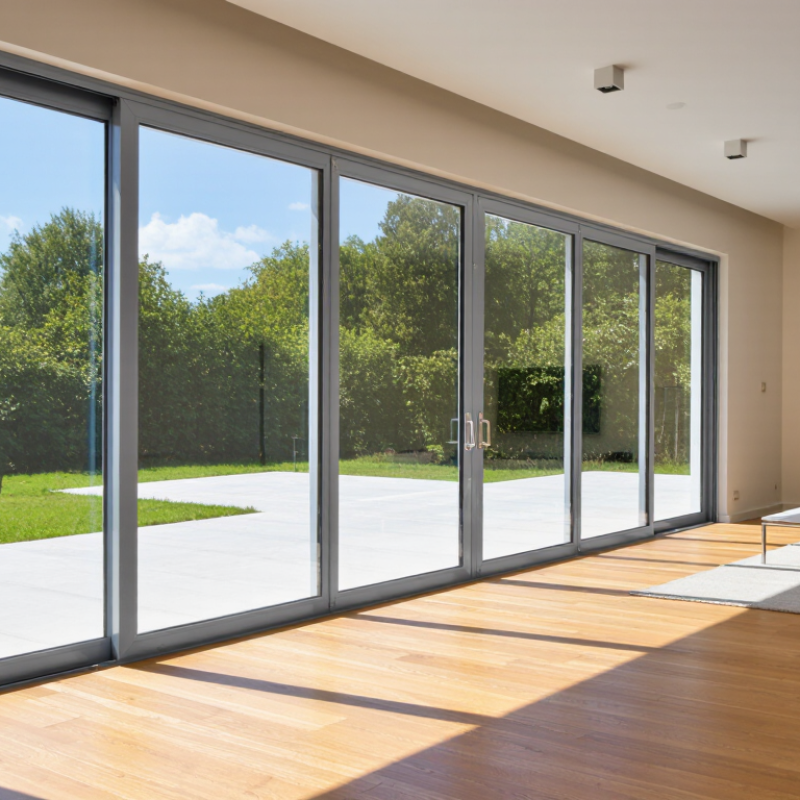
What Makes a Sliding Glass Door Suitable for Global Buyers
A sliding glass door suited to global buyers must perform beyond a showroom. It should handle the local climate, fit common opening sizes, and remain practical to install and maintain. A coastal home may need corrosion-resistant hardware, while a cold region may benefit from insulated glass and tight weather seals. Small details matter. A track that collects grit can become difficult to operate, especially in dusty or windy locations.
Buyers should compare glass performance, frame material, drainage design, and locking options—not just appearance. Ask for clear specifications, including glass thickness, thermal ratings, and available panel dimensions. These details help architects and installers assess whether a door fits the building and climate. Packaging and replacement-part availability also matter when products travel long distances. A beautiful door is less useful if a damaged roller takes months to replace.
Installation conditions vary, so confirm measurements on site rather than relying only on drawings. That assumption can be wrong. Check wall depth, floor level, and space for panels to slide fully open. Product ratings can guide a decision, but they do not guarantee performance after poor installation. Even a well-made door may leak air if the opening is not prepared carefully. Different projects also need different balances between daylight, insulation, ventilation, and budget. There is no universal best choice.
Key Factors for Comparing Sliding Glass Door Systems
When comparing sliding glass door systems, start with the opening and how people will use it. Measure width, height, and wall depth at several points; older buildings are rarely perfectly square. A door used every day needs smooth rollers and a handle that feels comfortable after repeated use. Large panels can create a clear view, but they also add weight. Not every opening fits.
Next, compare glazing, frame construction, and weather performance for the building’s climate. Low-emissivity glass can help limit heat transfer, while insulated frames may reduce cold spots near the edges. Ask for tested performance data, including air leakage, water resistance, and wind-load results. Ratings matter more than broad claims. In a coastal or rainy location, drainage paths and corrosion-resistant hardware deserve close attention. I would not judge comfort from glass type alone; installation quality can change the result.
Look closely at the track, threshold, locking points, and replacement parts. A low threshold may ease access, yet it must still manage water effectively. Check whether rollers and seals can be serviced without removing the entire unit. On site, confirm the floor is level and the frame is securely supported. Small details matter. Even a well-specified door can drag if the opening is out of alignment, and that is easy to overlook during selection.
Seven Top Sliding Glass Door Options by Design and Performance
Seven sliding glass door options serve different spaces: a two-panel slider suits compact patios, while three- and four-panel systems widen the view. A pocket door disappears into a wall; a stacking door parks panels neatly to one side. Lift-and-slide hardware can ease movement on large, heavy panels. For frames, thermally broken aluminum offers slim sightlines, while fiberglass or composite frames can provide stronger insulation. No option wins everywhere. A wide opening can also mean more heat transfer and less privacy.
Performance matters as much as appearance. The U.S. Department of Energy’s Energy Saver guidance estimates that windows account for 25–30% of residential heating and cooling energy use; a large glazed door can therefore deserve careful attention. Compare certified U-factor and solar heat gain coefficient (SHGC) values on National Fenestration Rating Council labels. Lower U-factor generally means less heat flow, while the preferred SHGC depends on climate, orientation, and shading. These figures help, but installation quality still matters.
Tips: Check panel weight, track drainage, and local service access before ordering. Ask for tested performance data for the exact size and configuration; ratings may vary. In hot, sunny rooms, exterior shading can reduce glare. Measure the finished opening twice. Small mistakes happen.
Glass Types, Frame Materials, and Energy Efficiency Explained
Choosing among the 7 best sliding glass doors starts with the glass, not the handle. Double glazing reduces heat transfer, while triple glazing suits cold regions but adds weight and cost. Low-emissivity coatings reflect indoor heat during winter and limit solar gain in summer. Tempered glass improves impact safety. Laminated glass adds sound control and holds together after breakage.
Frame material changes real-world performance. Thermally broken aluminum offers strength, but its insulated core matters. uPVC provides consistent insulation and needs little maintenance. Fiberglass is stable during temperature swings, though local availability can be limited. The U.S. Department of Energy reports that windows may cause 25–30% of residential heating and cooling energy use. That figure makes installation quality impossible to ignore.
Check U-factor, solar heat gain coefficient, and air leakage ratings. Lower U-factor means better insulation. A lower SHGC helps in hot, sunny climates, while higher values can support passive heating in colder zones. The National Fenestration Rating Council recommends comparing these ratings across identical sizes. The International Energy Agency reports that buildings consume about 30% of global final energy. Small errors matter. A poorly sealed track can defeat expensive glass. I have seen doors perform well in laboratory ratings yet feel cold beside the frame. Regional testing, drainage design, and qualified installation deserve equal attention.
Installation, Maintenance, Safety, and International Buying Considerations
Choosing sliding glass doors for international projects requires more than attractive frames and clear panels. Measure the opening at several points, because walls are rarely perfectly square. Confirm the finished floor level before ordering. A small height error can cause dragging, water leakage, or poor locking. Professional installation should include shims, corrosion-resistant fasteners, weather seals, and correctly sloped exterior drainage. I have found that rushing this stage creates expensive adjustments later. Not every opening is ready.
Safety glass is essential for large panels and should match the requirements of the destination market. Ask for documented glass specifications, impact ratings, thermal performance, and test reports from a reliable supplier. Multi-point locks, anti-lift devices, and visible safety markings can reduce common risks. However, stronger hardware cannot compensate for weak wall support or incorrect installation. Keep children’s furniture away from the opening. Clear pathways matter.
Maintenance should be practical for the local climate. Remove grit from tracks with a soft brush, then wipe them with a damp cloth. Avoid harsh chemicals that may damage seals or protective coatings. Inspect rollers, handles, drainage holes, and gaskets every few months. Coastal buyers should check for salt corrosion more often. For international purchasing, verify dimensions in metric units, packing strength, spare-part availability, delivery terms, insurance, and local installation support. Confirm customs documents and destination standards before payment. One overlooked detail can delay a project. Recheck everything.
7 Best Sliding Glass Doors for Global Buyers - Installation, Maintenance, Safety, and International Buying Considerations
| Door Type | Typical Advantages | Installation Considerations | Maintenance | Safety and Glazing | International Buying Considerations |
|---|---|---|---|---|---|
| 1. Standard Aluminum-Framed Sliding Door | Strong, relatively slim frames can provide a broad glazed opening. Aluminum does not swell or rot, though it conducts heat more readily than thermally improved frame designs. | Check that the sill, frame, and surrounding structure are level, square, and securely supported. Provide effective drainage and weather sealing suited to the exposure. | Keep tracks clear of grit and debris; clean frame surfaces and inspect rollers, seals, and drainage openings periodically. | Specify safety glazing where required by local rules, particularly in hazardous locations such as doors and adjacent glazing. Confirm secure locking and suitable restrictors where needed. | Ask for the frame’s thermal and weather-performance data, applicable test reports, finish durability, hardware compatibility, and local availability of replacement rollers and seals. |
| 2. Thermally Improved Aluminum Sliding Door | A thermal break separates interior and exterior portions of the frame, reducing heat transfer compared with a similar unbroken aluminum frame. Results vary by system and glazing. | Coordinate the frame depth and sill detail with the wall insulation and water-management layers. Follow the system’s installation instructions to preserve the thermal and weather seals. | Use cleaning products compatible with the frame finish; inspect gaskets, drainage paths, rollers, and locking hardware. | Glazing selection affects impact resistance, thermal performance, and occupant safety. Confirm required safety-glass markings and locking arrangements for the destination market. | Compare whole-door test data rather than relying only on a frame description. Check local energy-code requirements, declared performance methods, and documentation accepted by the authority having jurisdiction. |
| 3. uPVC Sliding Door | uPVC frames do not rust and generally need little routine surface maintenance. Multi-chamber profiles and glazing choices can support thermal performance, depending on the complete design. | Check frame reinforcement, fixing points, support, and manufacturer-approved installation details, especially for large panels. Allow for correct perimeter sealing and sill drainage. | Clean with mild, non-abrasive products. Keep tracks and drainage openings clear and inspect seals, rollers, and locks. | Choose glazing and hardware that satisfy local safety and security requirements. Confirm that the specified panel size and wind-load design are suitable for the opening. | Verify that profile and hardware specifications are suitable for local ultraviolet exposure, temperature range, wind conditions, and service availability. Request performance evidence for the complete door. |
| 4. Timber-Framed Sliding Door | Timber offers a natural interior finish and can be repaired or refinished. Its performance and durability depend on species, construction, coating, and exposure. | Protect the frame from prolonged moisture and ensure the opening has sound flashing, drainage, and weather sealing. Follow the supplier’s guidance for movement and clearances. | Inspect coatings and joints regularly, especially on exposed faces. Recoat or repair finishes when needed to help limit moisture-related deterioration. | Use safety glazing where required and select locks appropriate to the application. Confirm that the door assembly, not just the glass, meets relevant local requirements. | Check timber sourcing documentation where required, treatment or durability information, climate suitability, finish-maintenance expectations, and access to compatible repair materials. |
| 5. Aluminum-Clad Timber Sliding Door | Combines a timber interior surface with an exterior aluminum cladding intended to reduce direct weather exposure to the timber. Construction details and upkeep needs differ by system. | Ensure exterior cladding joints, sill drainage, and perimeter flashing are installed as designed. Do not block drainage or ventilation paths specified by the manufacturer. | Clean both interior timber and exterior cladding as directed. Inspect seals, cladding joints, drainage outlets, rollers, and locking hardware. | Confirm safety-glazing requirements and the tested configuration for the chosen panel size, glass, and hardware. Security depends on the complete assembly and installation. | Request clear product documentation describing materials, finish options, thermal and weather performance, maintenance, and any locally required conformity assessment. |
| 6. Lift-and-Slide Door | A handle mechanism raises panels for movement and lowers them onto seals when closed. It is commonly selected for large or heavy panels, but capacity is system-specific. | Large units may require structural planning, careful transport, lifting equipment, and a level, adequately supported sill. Confirm panel weight limits and installation clearances before ordering. | Keep tracks clean and inspect the operating mechanism, seals, rollers, and locking points. Service heavy panels according to the system instructions. | Plan safe handling and operation of heavy glass panels. Specify suitable safety glazing, secure locking, and any locally required child-safety measures. | Check maximum panel dimensions and weight, shipping access, local installer capability, replacement-hardware supply, and whether performance ratings apply to the selected size and configuration. |
| 7. Impact-Rated Sliding Door | Designed and tested for specified impact and/or wind-pressure conditions when supplied as a complete, approved configuration. It is not automatically suitable for every storm or hazard zone. | Installation must follow the tested system details, including anchors, substrate, frame size, and approved glass and hardware. A different configuration may not retain the tested rating. | Inspect seals, locks, rollers, and frame condition regularly. After a significant impact or severe weather event, arrange an appropriate inspection before relying on the door’s performance. | Verify the exact impact, pressure, and cyclic-pressure test requirements applicable to the project. Impact-rated does not necessarily mean burglar-proof or unbreakable. | Confirm acceptance by the local building authority and request reports for the exact model, size, glass, and installation method. Check regional wind-design criteria and approved installer requirements. |
Buying note: Before ordering, confirm the rough-opening dimensions, handing and panel configuration, local building and energy requirements, safety-glazing rules, wind and weather exposure, delivery access, installation responsibilities, warranty terms, and replacement-part availability. Ratings and code requirements vary by jurisdiction; verify them with local professionals and the relevant authority.
Related Posts
-
Why Choose Sliding Glass Doors for Modern Homes?
-
How to Install a Sliding Glass Door Effortlessly?
-
What is a Sliding Glass Door and How Does it Work?
-
Enhancing Curb Appeal: The Benefits of Front Doors with Glass Panels for Modern Homes
-
2026 Best Door and Window Replacement Options to Enhance Your Home?
-
Top 10 Benefits of Patio Windows for Your Home Design