China Top Screen Printing Textile Ink Suppliers?

Choosing China’s top Screen Printing Textile Ink suppliers requires more than comparing product catalogs or quoted prices. A reliable supplier should demonstrate consistent color performance, stable viscosity, and dependable delivery. These details matter on a busy production line, where blocked mesh, uneven coverage, or delayed curing can waste fabric and labor.

This guide examines leading Chinese suppliers through practical purchasing criteria. It considers ink types, including water-based, plastisol, silicone, discharge, and specialty formulations. It also reviews factory experience, laboratory testing, production capacity, export service, and technical support. Samples should be tested on the buyer’s actual fabric, mesh count, squeegee pressure, and curing equipment. A bright cotton print may behave differently on polyester or blended textiles.

Real experience matters.

Supplier claims still need verification. Buyers should request technical data sheets, safety documentation, batch records, and recent sample results. Certifications can support credibility, but they do not replace independent testing. Questions about minimum order quantities, color matching, shelf life, packaging, and after-sales response deserve clear answers. Some suppliers may offer attractive prices while providing limited application guidance. Others may be technically strong but slower with communication. This guide recognizes that no ranking is perfect, because performance depends on fabric, equipment, climate, and production goals. Careful comparison remains necessary. The best choice is not always the cheapest one; it is the supplier that delivers repeatable results, transparent service, and practical value over time.
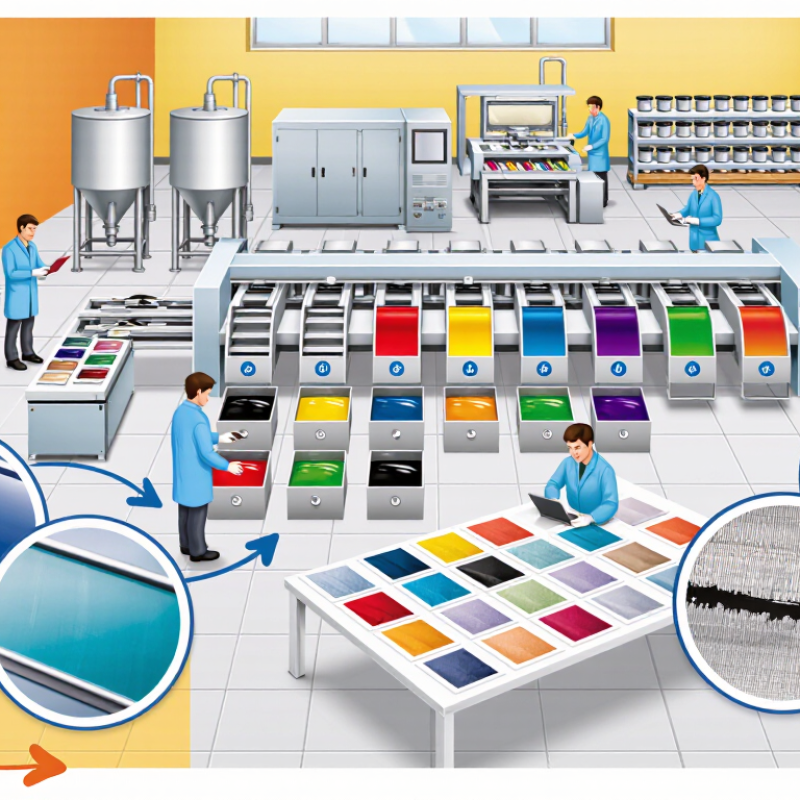
China Top Screen Printing Textile Ink Suppliers?

What Is Screen Printing Textile Ink?

What Is Screen Printing Textile Ink?

Screen printing textile ink is a coating applied through a fine mesh screen onto fabric. A squeegee pushes the ink through open stencil areas, creating letters, graphics, or solid color blocks. Unlike ordinary paper ink, textile ink must bond with flexible fibers and survive washing, stretching, and daily friction.

Common formulas include water-based, plastisol, and specialty inks. Water-based ink can produce a soft hand feel and a breathable surface, but it may dry inside the screen. Plastisol usually offers strong opacity and easier screen stability, although it needs controlled heat curing. The correct choice depends on fabric type, color, production speed, and the required finish. Cotton, polyester, and blended fabrics can react differently. Testing matters.

In practical sourcing, reliable suppliers should provide technical data sheets, curing guidance, safety documentation, and batch information. A small fabric trial can reveal problems that samples hide, such as poor adhesion, dye migration, or uneven coverage. The first print may look right. It may not.

Experienced printers also check wash durability, stretch recovery, viscosity, and color consistency before placing large orders. Ink performance depends on more than the formula; mesh count, squeegee pressure, drying temperature, and storage conditions all matter. No ink is perfect for every job. A supplier’s clear test methods and honest limitations are often more valuable than impressive claims.

How to Evaluate Textile Ink Suppliers in China

China Top Screen Printing Textile Ink Suppliers?

How to Evaluate Textile Ink Suppliers in China

A strong textile ink supplier should prove performance, not only display attractive product photos. Ask for technical data sheets, safety documents, batch records, and sample quantities. Check the ink’s viscosity, curing temperature, recommended mesh count, and storage life. These details affect production speed and print consistency.

Request samples on your actual fabric, not only on a supplier’s standard cotton swatch. Print small test runs with your planned screen, squeegee pressure, and curing equipment. Examine color strength, hand feel, opacity, and resistance after repeated washing. A reliable supplier should explain test methods and provide measurable results. Vague promises deserve caution.

Inspect the factory’s quality controls and communication process. Can the supplier trace a batch from raw materials to shipment? Do they report production changes before delivery? Ask how they handle shade differences between batches. This matters when a buyer repeats a large order months later. Pricing is useful, but it should not replace verification.

No supplier is perfect. I would still leave room for unexpected fabric behavior, especially with blends and recycled fibers. A sample may pass one wash test and fail another. That weakness is easy to overlook. Keep written records, approve a production sample, and define acceptable tolerances before signing an order. Clear evidence builds more trust than polished sales language.

Leading Types of Chinese Textile Ink Suppliers

China Top Screen Printing Textile Ink Suppliers?

Chinese textile ink suppliers generally fall into four practical groups. Direct manufacturers produce water-based, plastisol, silicone, discharge, and puff inks in dedicated facilities. OEM and ODM suppliers adjust viscosity, curing temperature, color strength, and hand feel for specific fabrics. Trading companies offer broader product ranges, but their technical control may depend on partner factories. Some specialist suppliers focus on functional inks, including stretch, high-opacity, reflective, or low-temperature formulations.

Experienced buyers should ask how each supplier manages raw materials and batch consistency. Request technical data sheets, safety documents, sample jars, and curing instructions before placing a large order. A reliable supplier should explain mesh selection, squeegee pressure, drying conditions, and fabric compatibility clearly. Small laboratory tests can reveal cracking, poor adhesion, or unexpected color shifts. These details matter more than attractive catalog photographs.

I have found that supplier classification alone is not enough. A factory may offer excellent ink but weak communication. A trading company may respond quickly but lack formulation expertise. No supplier is perfect. Ask for recent production samples, not only prepared showroom pieces. Check whether the printed fabric survives washing, stretching, and repeated handling. Some evaluations fail because testers use different curing temperatures. That mistake is easy to make. A clear test record, steady technical support, and honest disclosure of limitations usually indicate a more dependable Chinese textile ink supplier.

Key Products and Applications in the Textile Industry

China Top Screen Printing Textile Ink Suppliers?

China’s textile ink suppliers commonly offer water-based, plastisol, silicone, and discharge systems. Each product suits different fabrics, production speeds, and finishing requirements. Water-based ink creates a soft hand feel on cotton shirts and lightweight fabrics. Plastisol ink provides strong opacity for dark garments and detailed graphic prints. Silicone ink works well on stretch sportswear because it remains flexible after repeated movement.

Textile manufacturers also use specialty inks for polyester jerseys, blended fabrics, home textiles, and promotional garments. Low-cure formulations can reduce energy use when production conditions are controlled. High-opacity white ink is useful for underbases, but excessive application may make fabric feel heavy. Metallic, reflective, and puff effects add visual depth, although they often require stricter mesh and curing control.

Reliable suppliers should provide technical data sheets, safety information, batch records, and clear curing guidance. Buyers should request samples and test wash durability, rubbing resistance, color migration, and adhesion. A supplier’s laboratory support matters when fabrics change between seasons. In my experience, small differences in mesh tension or dryer temperature can alter the final shade. No ink performs perfectly on every fabric. That is easy to overlook. A careful supplier should discuss limitations instead of promising universal results. Some purchasing teams focus too heavily on price, then face rework, rejected garments, and delayed delivery. Consistent quality, practical testing, and responsive technical communication usually deserve equal attention.

China Top Screen Printing Textile Ink Suppliers? - Key Products and Applications in the Textile Industry

Ink Category Main Textile Substrates Typical Printing Method Key Applications Typical Fixation or Curing Main Performance Features Important Evaluation Points
Water-Based Pigment Ink Cotton, polyester, cotton blends, canvas and many finished garments Flat screen printing; compatible with manual and automatic presses T-shirts, fashion garments, promotional apparel, home textiles and customized clothing Drying followed by heat curing; the exact temperature and dwell time depend on the formulation and fabric Broad fiber compatibility, soft-hand options, low odor and reduced reliance on fabric-specific dye chemistry Wash fastness, crocking resistance, opacity, hand feel, curing window and compliance with restricted-substance requirements
Reactive Dye Ink Cellulosic fibers such as cotton, viscose, modal and linen Rotary screen, flat screen and digital textile printing systems designed for reactive dyes High-quality apparel, woven fabrics, scarves, bedding and cotton home textiles Steaming is commonly used, followed by washing and drying to remove unfixed dye and auxiliaries Bright shades, strong fiber bonding and good wash fastness when properly processed Pretreatment quality, steam conditions, washing efficiency, color yield, fixation rate and wastewater management
Acid Dye Ink Polyamide fibers, including nylon, and protein fibers such as wool and silk Screen printing or digital textile printing with suitable acid-dye equipment Swimwear, sportswear containing nylon, silk garments, scarves, wool fabrics and accessories Acidic steaming or heat fixation, followed by washing according to the dye system High color brilliance and good affinity for polyamide and protein fibers pH control, fiber compatibility, migration resistance, wash fastness and protection of sensitive fabrics during processing
Disperse Dye Ink Polyester and other hydrophobic synthetic fibers Screen printing, transfer printing and digital textile printing Sportswear, performance fabrics, flags, banners, polyester apparel and interior textiles High-temperature fixation, thermosol processing or transfer heat application depending on the system Suitable for polyester, strong color development and good penetration into synthetic fibers Dry and wet fastness, gas-fading resistance, migration control, fixation temperature and fabric heat stability
Sublimation Transfer Ink Primarily white or light-colored polyester and polyester-coated materials Printed transfer paper followed by heat-press or calendar transfer All-over sportswear, team apparel, flags, mugs, signage and promotional products with polyester surfaces Dye sublimation under controlled temperature, pressure and dwell time Excellent image detail, continuous-tone color and no heavy ink film on the textile surface Transfer yield, paper release, color accuracy, ghosting, press settings and resistance to fading or gas migration
Plastisol Ink Cotton, polyester and blended garments, subject to dye-migration considerations Flat screen printing on manual or automatic presses Mass-market apparel, graphic T-shirts, workwear, uniforms and promotional garments Heat curing to fuse the resin and pigment system; the required cure depends on the product specification High opacity, strong print definition, long screen-open time and suitability for production-line printing Phthalate and restricted-substance status, cure verification, dye migration, flexibility, wash durability and hand feel
Silicone Ink Performance polyester, stretch fabrics, coated textiles and selected synthetic blends Screen printing, often with specialized meshes, squeegees and curing equipment Sportswear, swimwear, stretch garments, technical apparel and premium raised-effect graphics Heat curing according to the silicone system, catalyst level and production conditions High elasticity, soft hand, strong adhesion and improved resistance to dye migration in suitable formulations Stretch recovery, adhesion, surface preparation, cure completeness, viscosity control and compatibility with additives
Discharge Ink Dyed cotton and selected cellulosic fabrics with dischargeable ground dyes Screen printing, commonly used for soft-hand fashion graphics Dark cotton T-shirts, fashion garments and designs requiring a low-build print surface Heat activation to remove or discharge the ground color; production ventilation and process control are important Very soft hand and reduced surface build compared with many opaque systems Ground-dye suitability, odor and ventilation, color consistency, fabric strength, wash fastness and chemical handling requirements

Note: Processing temperatures, dwell times, mesh counts and fastness results vary by ink formulation, fabric construction, equipment and production conditions. Supplier technical data sheets and laboratory trials should be used for final production settings.

How to Select the Right Chinese Supplier

Selecting a Chinese textile ink supplier requires more than comparing price lists. China remains a major textile-exporting country, representing roughly one-third of global textile exports in recent WTO statistics. That scale offers strong manufacturing experience, but supplier quality still varies. Ask for technical data sheets, safety documents, batch records, and recent export references. A polished website proves little.

Screen printing needs must guide the shortlist. Water-based ink suits soft-hand garments, while plastisol supports strong opacity and easier curing. Silicone ink may serve stretch fabrics, but it requires tighter process control. Smithers reports continuing double-digit growth in digital textile printing, increasing pressure for faster color matching and shorter production cycles. Grand View Research also identifies textile printing as a growing market, with sustainability and production efficiency driving demand. These trends make laboratory support important, not optional.

Request printed samples on your actual fabric. Test wash fastness, rubbing resistance, curing temperature, viscosity, opacity, and color consistency. Measure results with the same equipment used in production. Confirm minimum order quantities, lead times, packaging, and after-sales response in writing. A factory audit should check mixing records, retained samples, and storage temperatures. One overlooked detail can ruin thousands of garments. No checklist is perfect. I would still repeat the wash test after shipment, because a successful sample can hide batch variation. Supplier selection should balance verified performance, transparent documentation, and realistic communication rather than the lowest quotation.

China Top Screen Printing Textile Ink Suppliers? How to Select the Right Chinese Supplier

The chart presents a practical weighted evaluation model for comparing Chinese textile ink suppliers. Print performance and regulatory compliance receive the highest weights, followed by consistency, technical support, lead time, minimum order quantity, and total cost. Buyers should validate these factors through samples, technical data sheets, compliance documents, and production audits.