
7 Tips to Reduce Door and Window Replacement Cost?
Replacing doors and windows can improve comfort, security, and energy performance. It can also damage a household budget when planning starts too late. This guide explores seven practical ways to reduce door and window replacement cost without choosing unreliable products or rushed installation. The goal is not to find the lowest quote. It is to control unnecessary expense while protecting long-term performance.
Tom Silva, a respected contractor and television host, has often stressed the importance of installation quality: “A window is only as good as the installation.” That principle deserves attention. A well-rated window can still leak around its frame if flashing, sealing, or measurements are handled poorly. Small details matter. A visible gap near the sill can invite drafts, moisture, and future repair bills.
The following tips examine realistic savings, including comparing detailed estimates, replacing units in phases, checking standard sizes, and selecting suitable materials. They also consider labor, disposal fees, trim repairs, and local permit requirements. These costs are easy to overlook. I would not promise that every homeowner can cut the price dramatically. Older homes may hide damaged framing, uneven openings, or outdated wiring near the work area. That uncertainty requires a contingency budget.
Careful planning usually saves more than aggressive bargaining. Get written scopes of work. Ask how installers handle weatherproofing. Verify product warranties and installation coverage. A cheaper quote may exclude essential finishing work. That is where disappointment begins. With informed decisions, door and window replacement can become a controlled investment rather than an expensive surprise.
Assess Your Door and Window Replacement Needs
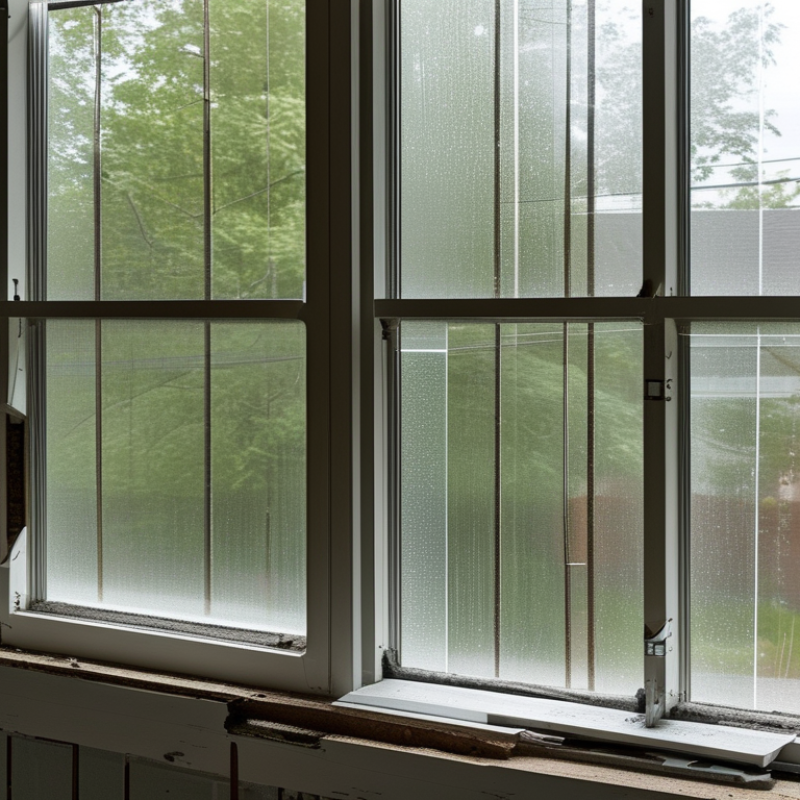
Before estimating door and window replacement cost, assess what each opening truly needs. Walk through the home during daylight. Note drafts, moisture stains, cracked glass, sticking locks, and soft wood around the frame. A window that looks old may only need new weatherstripping. A swollen frame usually requires deeper work.
Measure width, height, frame depth, and wall thickness for every opening. Do not assume matching sizes. Older homes often have small differences between rooms. Check how each unit operates, including sliding, swinging, or fixed sections. Consider sunlight, outside noise, ventilation, and privacy. A busy bedroom may need better sound control, while a dark kitchen may benefit from larger glazing.
Ask a qualified installer to inspect the surrounding structure and confirm local requirements. This step can reveal hidden rot, drainage problems, or difficult access. Request separate prices for the unit, labor, disposal, trim, permits, and interior repairs. Clear details make estimates easier to compare. Energy performance matters, but the most efficient option is not always the best value for every room. My early estimates were too optimistic because I ignored finishing work. That mistake changed how I assess projects. Photograph each opening, keep written measurements, and record the problems you notice after rain or during windy evenings. Small evidence helps prevent expensive assumptions.
| Tip | Assessment Focus | When Repair May Be Suitable | When Replacement Is Usually Justified | Typical U.S. Planning Cost Range | Potential Cost-Control Action | Priority |
|---|---|---|---|---|---|---|
| 1 | Check whether the problem is limited to glass, hardware, weatherstripping, or the entire unit. | A sound frame with a broken lock, worn seal, damaged weatherstripping, or a failed insulated-glass seal can often be repaired. | Replacement is more appropriate when the frame is warped, severely rotted, cracked, or repeatedly difficult to operate. | Weatherstripping or hardware: $20–$250 per opening Insulated-glass replacement: $200–$600 per pane |
Obtain a component-level repair estimate before approving a complete door or window replacement. | High |
| 2 | Assess energy loss, drafts, condensation, and indoor comfort near each opening. | Minor air leakage caused by gaps around the frame may improve with caulking, adjustment, or new weatherstripping. | Persistent drafts, condensation between panes, or very poor operation may indicate deteriorated seals or an outdated unit. | Professional air-sealing work: $100–$500 Standard replacement window: approximately $450–$1,200 installed |
Replace the least efficient units first, especially those with failed seals or severe air leakage. | High |
| 3 | Inspect the frame, sill, threshold, and surrounding wall for moisture damage. | Localized surface damage may be repairable if the underlying structure is dry and sound. | Visible rot, persistent leaks, soft framing, or mold caused by ongoing water intrusion requires a broader corrective solution. | Minor sill or trim repair: $150–$800 Exterior entry-door replacement: approximately $500–$2,000 installed |
Correct flashing, drainage, and water-entry sources before installing a new unit to prevent repeat costs. | High |
| 4 | Measure the opening accurately and determine whether a standard-size unit can be used. | Existing units that fit standard replacement sizes may allow a simpler installation. | Nonstandard openings, major size changes, or structural alterations can increase labor and finishing requirements. | Custom sizing or nonstandard installation can add roughly 15%–30% compared with a standard-size project. | Keep the existing opening dimensions when practical and verify measurements at least twice before ordering. | Medium |
| 5 | Rank openings by safety, security, accessibility, noise, and frequency of use. | Cosmetic defects or minor convenience issues can usually be scheduled after urgent problems. | Broken locks, windows that cannot serve as required exits, unsafe glass, or doors that create accessibility hazards should receive prompt attention. | Basic lock or hardware repair: $50–$300 Sliding patio-door replacement: approximately $1,200–$4,000 installed |
Prioritize safety-critical and frequently used openings instead of replacing every unit at once. | High |
| 6 | Compare a phased project with a bundled replacement plan. | Phasing can make sense when only a few openings have urgent defects or when the budget is limited. | Several units with similar age, condition, and installation requirements may be more efficient to complete together. | Bundled projects may reduce duplicated setup and labor costs by approximately 5%–15%, depending on site conditions. | Request separate pricing for one unit, a priority group, and the full project so the labor difference is visible. | Medium |
| 7 | Compare at least three written estimates with identical measurements and installation details. | Repair estimates are useful when the scope is clearly defined and the existing frame is structurally sound. | Replacement estimates should explain removal, disposal, flashing, trim, permits, labor, warranty terms, and cleanup. | Installed project prices vary widely by size, material, access, finish level, local labor, and permit requirements. | Compare the complete scope rather than selecting the lowest headline price; unclear exclusions can create costly change orders. | High |
Cost figures are typical U.S. planning ranges for residential work and can vary by location, opening size, material, access, labor rates, permits, finishes, and structural repairs. A written on-site assessment is required for an accurate project price.
Related Posts
-
Best Front Doors for Homes Tips to Enhance Security and Style?
-
2026 Best House Windows Replacement Options for Your Home?
-

Top Benefits of French Doors for Your Home and How to Choose the Right Style
-
Top 10 Benefits of Patio Windows for Your Home Design
-
How to Install a Sliding Glass Door Effortlessly?
-
Top 10 Benefits of Door and Window Replacement for Homeowners?