Top Tips for Choosing the Right Door Hinge for Your Project?
Choosing the right door hinge can significantly affect the functionality and aesthetics of your project. A door hinge is a crucial component that enables smooth operation of doors, yet many overlook its importance. Selecting the proper hinge requires careful consideration of materials, styles, and sizes.
When evaluating door hinges, think about the environment. Heavy doors may need robust hinges to support their weight. Finishes and designs should complement the door and surrounding décor. For outdoor applications, choose materials that resist rust and corrosion. This ensures durability and long-term performance.
It’s common to feel overwhelmed by the options available. Each project is unique, which complicates the decision-making process. Engaging with experts can provide insights that help clarify your choices. Ultimately, understanding your specific needs will guide you in selecting the perfect door hinge for your project.
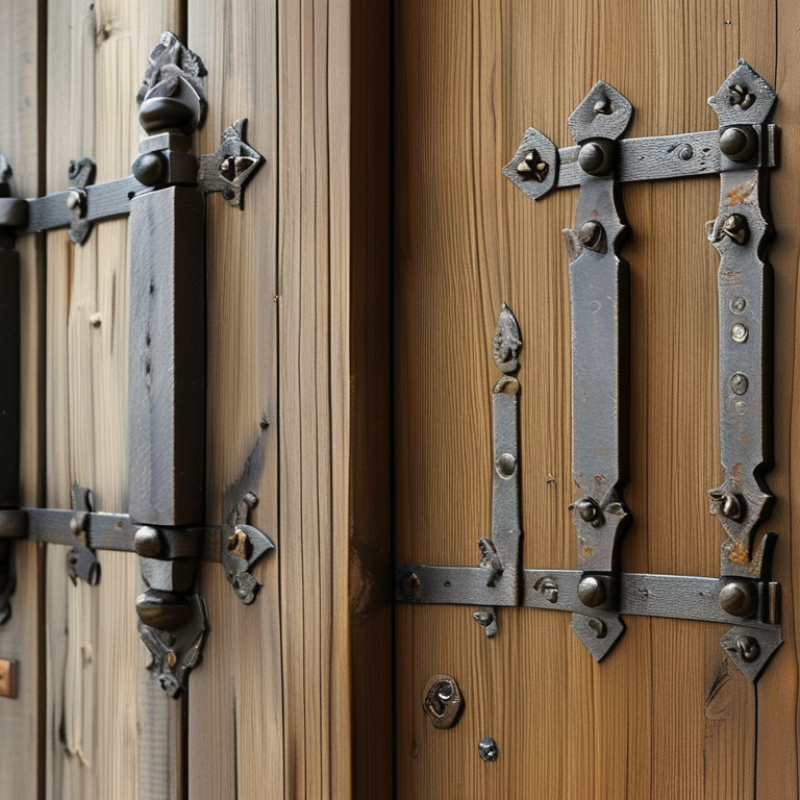
Understanding Different Types of Door Hinges Available in the Market
When selecting door hinges, understanding the various types is crucial. Butt hinges are the most common, ideal for standard doors. They're easy to install and offer reliable support. For heavier doors, consider continuous hinges. These provide added strength, distributing weight evenly.
Another option to think about is piano hinges. They run the entire length of the door, offering excellent stability. This type is often used in cabinetry or foldable doors. It's essential to match the hinge type with your door's weight and usage.
Tips for choosing the right hinge include assessing material durability. Steel hinges are robust but may rust. Brass and stainless steel are rust-resistant and perfect for humid areas. Don't forget to consider the finish of the hinge. A well-matched finish ensures aesthetic appeal. Always review potential installation challenges. You want a secure fit and proper alignment for smooth operation.
Factors to Consider for Weight and Size of Your Door
When selecting a door hinge, the weight and size of your door play critical roles. A heavy door requires sturdier hinges to ensure safety and durability. Be aware that lightweight hinges may bend or break under pressure. Check the specifications and ensure the hinges can support the weight of your door. For example, an interior door might only need light-duty hinges, while an exterior door demands something much more robust.
The size of the door also impacts the hinge choice. Measure the thickness of the door accurately to find the right fit. The hinge’s size should complement the door's dimensions. Using an oversized hinge on a narrow door can detract from its appearance. Experimenting with different hinges can help you find the perfect match. Sometimes, what looks good may not function well, leading to frustration and additional expenses. Striking the right balance between aesthetics and functionality is essential. Consider all these factors wisely to ensure your project succeeds.
Material Selection: Choosing the Right Hinge for Durability
When selecting a hinge for your project, material selection is crucial. The choice of material directly affects the durability and longevity of the hinge. Common materials include stainless steel, brass, and plastic.
Stainless steel is known for its strength and resistance to corrosion. It’s ideal for exterior doors or humid environments. Brass, while aesthetically pleasing, may not be as durable in harsh conditions.
Plastic hinges offer lightweight options, but they tend to wear out faster. Remember, the environment where the hinge will be used plays a big role. For heavy doors, thicker materials are essential. A sturdy hinge can prevent premature failure.
It's vital to consider the weight of your door when choosing the hinge. A mismatch can lead to weird noises or even breakage. Over time, hinges that aren’t made of suitable materials can rust or corrode. Reflect on where you'll install your hinge. Indoor hinges can have different requirements than outdoor ones.
Each choice is significant; don’t overlook the details.
Finish Options: Aesthetic Choices for Door Hinges
Choosing the right finish for door hinges is crucial. It impacts both aesthetics and functionality. The finish can enhance the overall look of a door while ensuring durability. According to a recent industry report, nearly 70% of homeowners consider hinge finish as a key factor in their design choices.
Popular finish options include satin nickel, oil-rubbed bronze, and polished chrome. Satin nickel provides a modern feel, while oil-rubbed bronze offers a classic touch. Each finish has unique characteristics. A poor choice may tarnish the door's appearance over time. Homeowners often overlook the importance of matching finishes with hardware and decor.
In a study conducted by the Home Improvement Research Institute, 40% of residential renovation projects reported issues related to mismatched finishes. This highlights how integral the selection process is. It’s essential to consider both visual appeal and wear resistance. Remember, the wrong finish can lead to frequent replacements. Reflection and consideration are crucial in making a lasting choice for your project.
Installation Tips for Ensuring Proper Functionality of Hinges
When installing door hinges, proper functionality is crucial. Selecting the right hinge ensures that doors operate smoothly and last longer. Studies from industry experts indicate that improper installation can lead to a 30% decrease in a hinge's lifespan. To avoid this, start by choosing the right type of hinge for your project.
Pay attention to the weight of your door. For heavier doors, opt for stronger materials like stainless steel or brass. Use at least three hinges for large doors to distribute weight evenly. This can prevent sagging and misalignment. Ensure each hinge is aligned perfectly to avoid binding. One misalignment might not seem significant but can lead to major door issues over time.
Regular maintenance is essential. Lubricate hinges periodically to reduce friction and wear. Skipping this step can cause squeaks and hinder door function. To prolong hinge life, consider the door’s environment, such as humidity and temperature changes. A small oversight here might lead to rust or corrosion, damaging both door and hinge. Remember, every detail matters in ensuring longevity and functionality.