Patio Doors Tips for Choosing the Right Style and Material?
Choosing patio doors can be challenging. With various styles and materials available, making the right decision is crucial. According to the National Association of Realtors, homeowners recoup about 70% of their investment when properly upgrading patio doors. This emphasizes the importance of selecting both style and material wisely.
Different door styles like sliding, French, and bi-folds offer unique benefits. Each style can significantly impact the aesthetics and functionality of your space. In a recent survey, 55% of homeowners reported prioritizing energy efficiency when choosing patio doors. This highlights the need for informed decisions based on professional insights.
Material selection also plays a pivotal role. Vinyl, fiberglass, and wood each have unique qualities. Vinyl is low-maintenance while wood offers timeless beauty. However, conditions may affect performance, leading to potential regrets in the future. Reflecting on these factors can guide better choices for lasting satisfaction.
Patio Doors: Understanding Different Styles and Their Aesthetic Impact
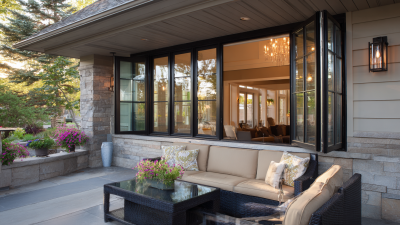
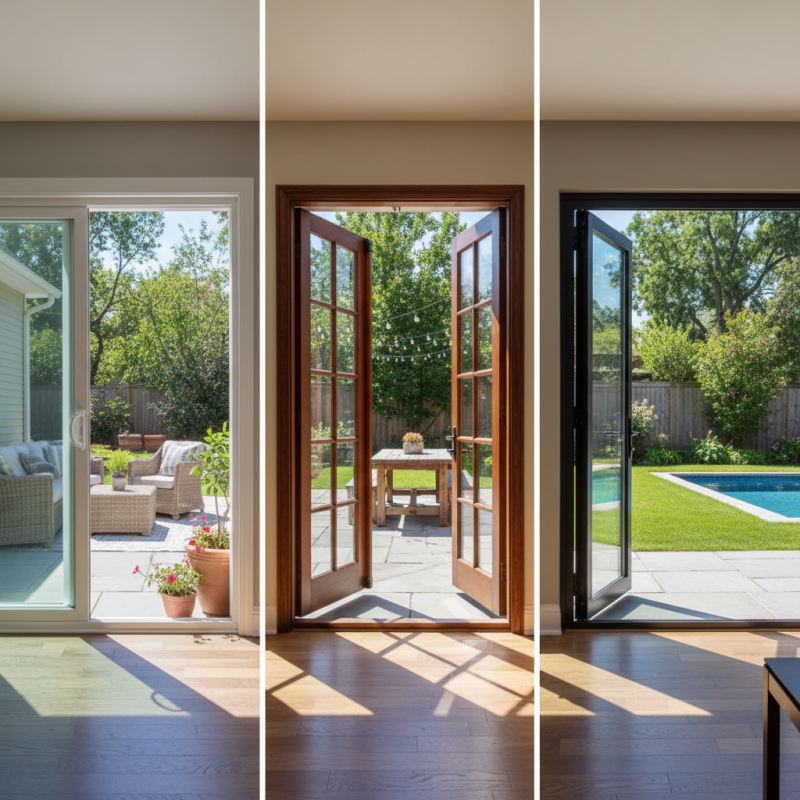
When choosing patio doors, it’s important to understand how different styles influence your home’s aesthetic. Bi-fold doors are popular for their seamless transition from indoors to outdoors. They open widely, creating a spacious feel. This style allows for abundant natural light. However, they can be tricky to install. The tracks need precision, or you may face frequent jams.
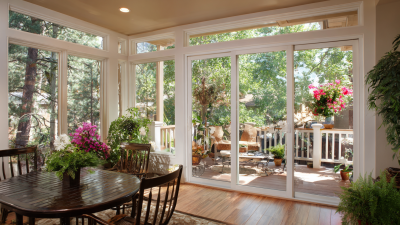
Sliding doors offer a more traditional look. They are space-saving and often more affordable. While they don’t open as widely, they can still enhance your view significantly. Consider the frame material too. Aluminum is sleek and modern, while wood provides warmth. But wood requires maintenance. It’s essential to weigh practicality against style.
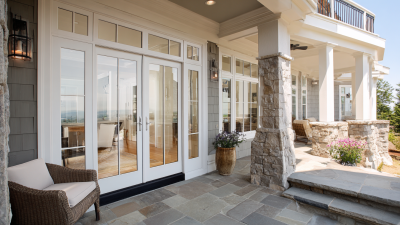
French doors bring elegance and charm. They can open inwards or outwards, offering flexibility. However, this style needs extra space, which may not fit all patios. Choosing the right patio door is about balancing your aesthetic desires with practical reality. Consider the everyday use and maintenance. Each style has its strengths and weaknesses, so reflect on what suits your lifestyle best.
Patio Doors: Popular Styles and Their Aesthetic Impact
Evaluating Materials: The Pros and Cons of Wood, Vinyl, and Aluminum
When selecting patio doors, the choice of material is crucial.
Wood doors exude warmth and natural beauty. They can be customized easily and provide good insulation. However, maintenance is a big issue. They often require regular painting or sealing to protect against weather. Over time, wood can warp or rot, which might lead to costly repairs.
Vinyl is a popular alternative. It's affordable and low-maintenance. Vinyl doors resist fading and are energy-efficient. They come in various colors and styles. However, they might lack the rich appearance of wood. Some people find vinyl less appealing. Consider how long you plan to stay in your home before making this choice.
Aluminum doors are strong and durable. They can fit modern aesthetics beautifully. Yet, they may conduct heat and cold poorly, which can affect energy efficiency. In coastal areas, aluminum can corrode over time. Reflect on your climate and lifestyle when choosing aluminum. Each material has its unique charm and challenges, making selection a personal journey.
Security Features for Patio Doors: Industry Standards and Best Practices
When selecting patio doors, security features should be a top priority.
According to the American National Standards Institute (ANSI), doors should meet specific safety standards.
A sturdy frame and reliable locking mechanisms are crucial.
Many incidents of burglary involve unsecured sliding glass doors, making it vital to invest in quality locks.
Consider reinforced glass as an option for protection. Impact-resistant glass can reduce the risk of break-ins.
The U.S. Department of Justice suggests that homes with secure doors have a lower chance of residential theft.
Always check if your chosen doors meet ANSI and other relevant standards for safety and durability.
Tips for improving security include installing a secondary lock.
This could be a simple sliding bolt or a pin lock.
Another option is to use security film on the glass, making it harder to break.
A well-lit entryway can also deter intruders.
It’s essential to balance aesthetics with functionality.
While style matters, security should not be compromised.
Cost Considerations: Budgeting for Patio Door Purchase and Installation
When planning to install patio doors, budgeting is crucial. The average cost of patio doors ranges from $1,000 to $4,000, including installation. Factors such as size, material, and design impact the final price. According to the Remodeling 2022 Cost vs. Value Report, homeowners can expect to recoup about 70% of their investment in new patio doors upon resale. This makes it a wise financial decision.
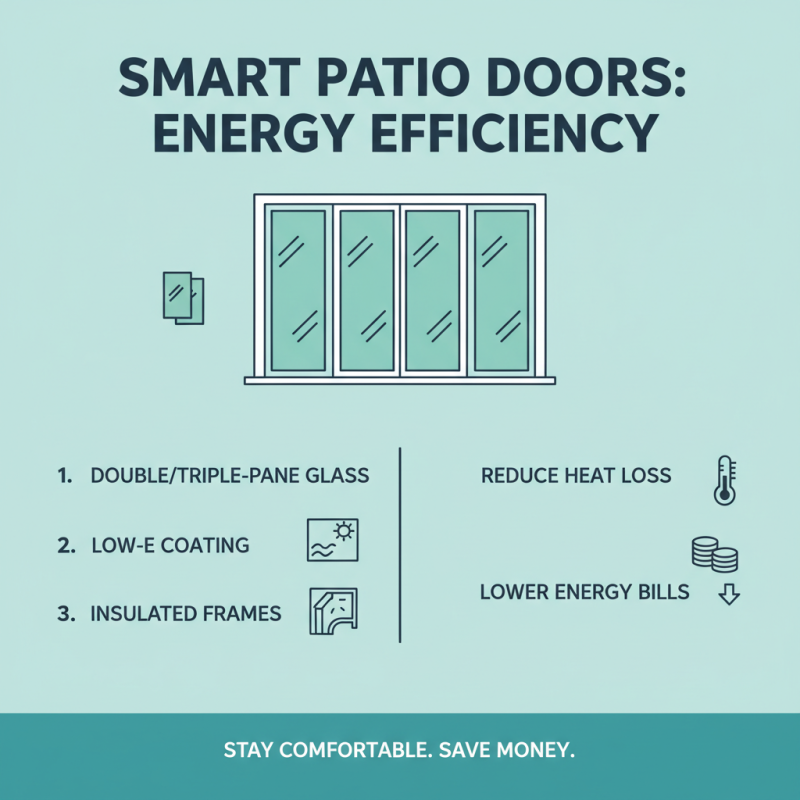
Material choice further influences the budget. Vinyl doors tend to be more affordable, averaging $1,200, while fiberglass options can exceed $2,500. However, longevity often justifies higher initial costs. A 2021 National Association of Realtors report indicates that energy-efficient doors can reduce energy bills by up to 20%. This means selecting high-quality materials might save money in the long run.
Installation costs also vary by location and complexity. DIY installation can save money, but mistakes can be costly. Hiring a professional may add $300 to $1,000, yet ensures proper fitting and seals. Understanding these variables helps in making a well-informed choice, balancing between quality and affordability. It's essential to reflect on how each decision impacts not just your budget, but also your home's value and energy efficiency.