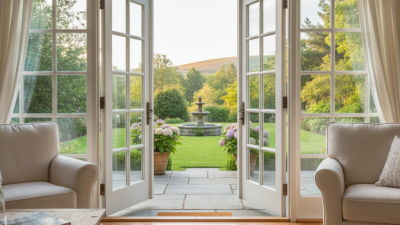
Why Are Home Windows Important for Energy Efficiency?
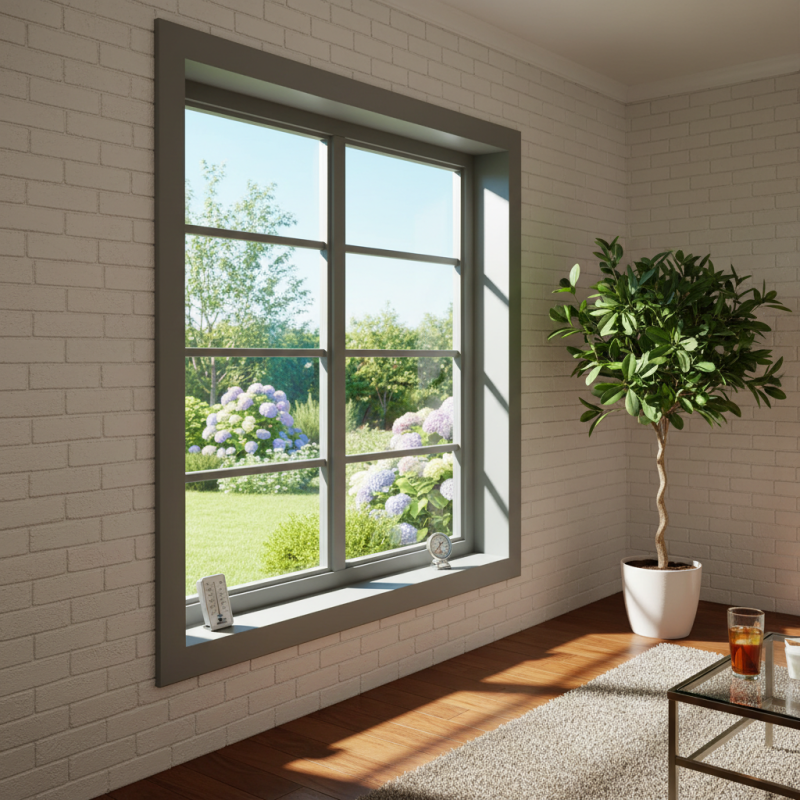
Home windows play a critical role in energy efficiency. Energy expert Dr. Emily Ray has stated, "The right windows can reduce energy bills significantly." This emphasizes the connection between home windows and energy costs.
Properly selected and installed home windows can enhance insulation. They keep warm air inside during winter and block heat during summer. Inadequate windows may lead to energy loss, resulting in higher bills. Homeowners often overlook this aspect, which is a missed opportunity.
Selecting energy-efficient home windows requires careful consideration. Many factors, like frame materials and glazing options, influence energy performance. It is easy to make mistakes in this decision. Ultimately, understanding the impact of home windows on energy efficiency is vital for sustainable living.
Importance of Windows in Home Energy Efficiency Design
When designing a home for energy efficiency, windows play a vital role. They are not just openings to the outside world; they can significantly impact heating and cooling costs. Quality windows help regulate indoor temperatures, keeping homes warm in winter and cool in summer. Poor windows can lead to a lot of wasted energy, costing you money and comfort.
Here are some tips for enhancing window efficiency: Choose double or triple-pane glass. This can greatly reduce heat transfer. Consider low-emissivity (low-E) coatings. These help maintain consistent indoor temperatures. For older homes, sealing gaps around window frames is essential. This simple step can prevent drafts and improve your overall comfort.
While windows are essential, not every home has the best options. Older windows may require replacement. Reflect on your choices to see if updates are necessary. Every little adjustment can lead to a big difference in energy savings.
Importance of Windows in Home Energy Efficiency Design
Types of Energy-Efficient Windows and Their Performance Ratings
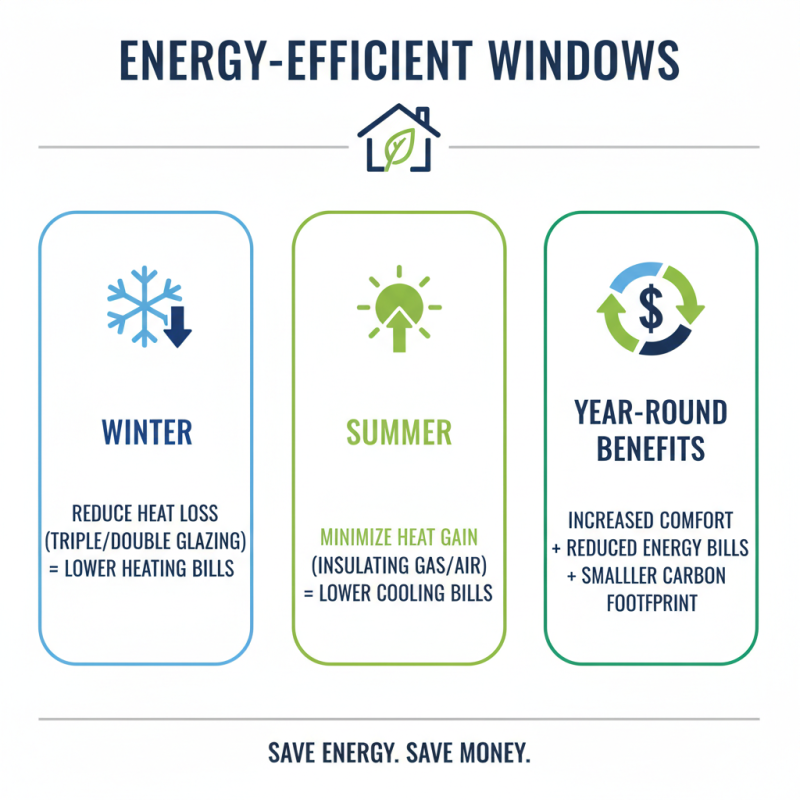
Energy-efficient windows play a crucial role in reducing energy consumption in homes. They serve as barriers to heat loss during winter and minimize heat gain in summer. These windows are specially designed with features like double or triple glazing. This construction traps an insulating layer of air or gas between the panes. Consequently, they can significantly lower energy bills.
There are various types of energy-efficient windows, each with unique performance ratings. For instance, windows with low-emissivity (low-E) coatings reflect heat while allowing sunlight in. Others come with thermal breaks that limit heat transfer. The energy performance is often rated with a scale, such as the U-factor and Solar Heat Gain Coefficient (SHGC). It’s essential to understand these ratings. Selecting windows based solely on aesthetics may lead to regrets. A beautiful window may not always be the most efficient option, which makes it critical to balance appearance with functionality. Evaluating these details carefully ensures optimal comfort and energy savings in your home.
Impact of Proper Window Insulation on Home Energy Consumption
Proper window insulation plays a crucial role in energy efficiency. Windows are often the weakest link in a home's thermal envelope. They can lose heat during winter and let in unwanted warmth during summer. This fluctuation leads to higher energy bills and an uncomfortable living environment.
Good insulation strategies, such as double glazing, help mitigate these issues. However, many homeowners overlook this aspect during renovations. They may choose stylish options at the cost of efficiency. It's essential to consider both aesthetics and functionality. Poor insulation can lead to drafts, condensation, and even mold growth.
Furthermore, assessing existing windows regularly can reveal significant losses. Simple fixes, like adding weatherstripping, often yield better results. Homeowners might hesitate due to costs, but ignoring window insulation can lead to bigger expenses later. Reflecting on these factors can enhance comfort and reduce bills.
Why Are Home Windows Important for Energy Efficiency?
| Window Type |
U-Value (W/m²K) |
Energy Savings (%) |
Lifespan (Years) |
| Single Pane |
5.0 |
0% |
15 |
| Double Pane |
2.0 |
20% |
20 |
| Triple Pane |
1.0 |
30% |
30 |
| Low-E Coated |
1.2 |
25% |
25 |
| Gas-Filled |
1.4 |
22% |
28 |
Cost Benefits of Energy-Efficient Windows and Long-term Savings
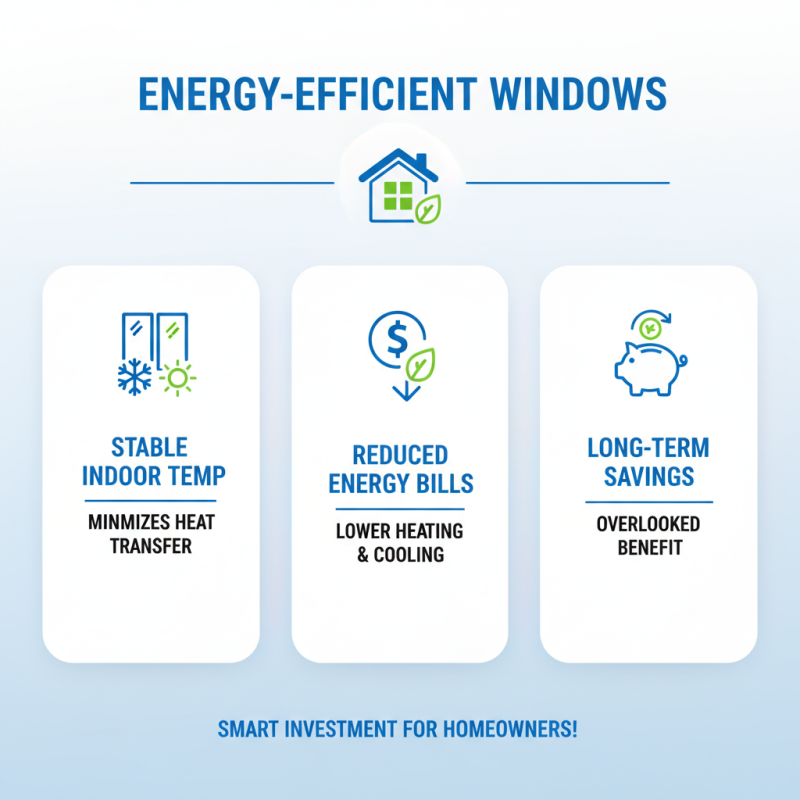
Energy-efficient windows play a crucial role in reducing energy costs. They help maintain a stable indoor temperature by minimizing heat transfer. The initial investment might seem high, but the long-term savings can be significant. Homeowners often overlook this benefit, focusing solely on upfront costs.
Consider the discomfort of a drafty room in winter. With energy-efficient windows, that chill fades away. Over time, this translates to lower heating bills. Imagine saving hundreds each year just by improving your windows. The financial benefits aren't just for today; they accumulate year after year.
Moreover, many people fail to realize the environmental impact. By using less energy, we reduce our carbon footprint. That is an important step toward sustainability. However, it's easy to ignore these changes. We often prioritize short-term gains over long-term benefits. Reflecting on our choices can lead to wiser decisions. Energy-efficient windows might not be the trendiest option, but their value is undeniable.
Market Trends and Consumer Preferences in Window Energy Efficiency
Home windows play a crucial role in energy efficiency. Consumers are increasingly aware of their impact on utility bills and comfort levels at home. According to a recent industry report, about 70% of homeowners prioritize energy-efficient windows when making renovations. This trend aligns with rising energy costs and a growing focus on sustainability.
The preferences of consumers vary when it comes to window materials and technologies. For example, nearly 50% prefer double-glazing, as it significantly reduces energy transfer. However, many remain unaware of advanced options like low-emissivity coatings. An estimated one-third of homeowners did not know this feature existed, highlighting a knowledge gap in the market.
Moreover, aesthetic value is important. Many homeowners want windows that are energy-efficient while maintaining their home's character. Approximately 55% of consumers are willing to invest more for both energy efficiency and visual appeal. Yet, there is still a hesitance to upgrade due to upfront costs. With energy prices fluctuating, finding that balance is essential for homeowners.