What is an Exterior Sliding Door and How Does it Work?
Exterior sliding doors are increasingly popular in modern homes. They offer seamless access to outdoor spaces while enhancing natural light. According to John Anderson, a renowned expert in the field, “Exterior sliding doors transform spaces, blending indoor and outdoor environments.”
These doors function on a track system, allowing smooth movement. Many styles and materials are available, catering to various aesthetic preferences. However, factors like installation and maintenance can challenge homeowners. The sliding mechanism needs proper alignment, which requires careful installation.
Additionally, while exterior sliding doors provide beauty, they may not always perform perfectly. Some may experience issues with weather sealing over time. Regular maintenance is key to avoid these pitfalls. Exterior sliding doors can elevate a space but remember, they require attention to detail.
What is an Exterior Sliding Door? Definition and Features
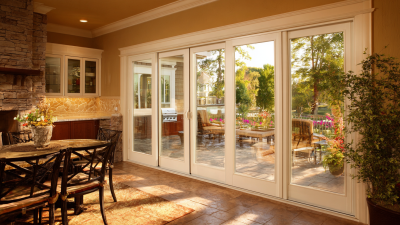
Exterior sliding doors are popular for both residential and commercial spaces. They consist of large panes of glass that slide open, providing an unobstructed view of the outdoors. This design allows ample natural light to enter, making rooms feel more spacious. These doors typically glide along a track, offering easy access to patios or gardens.
The materials can vary. Often, they are crafted from aluminum or vinyl frames with glass inserts. These materials can be durable and energy-efficient. Many sliding doors also feature double or triple glazing for better insulation.
However, keeping the tracks clean is essential to ensure smooth operation. Dust can build up and cause sliding issues.
While exterior sliding doors enhance accessibility, they can pose security concerns. Choosing tougher glass or adding locks can help mitigate risks. It's crucial to regularly inspect the door for any damage. A little maintenance goes a long way in prolonging its lifespan. These features highlight the balance between aesthetics and practicality in home design.
Types of Exterior Sliding Doors: Materials and Mechanisms
Exterior sliding doors are popular in modern architecture. They offer a seamless transition between indoor and outdoor spaces. Various materials and mechanisms impact their performance and aesthetic.
Common materials include vinyl, aluminum, and wood. Vinyl is low-maintenance and energy-efficient. Wood provides warmth and beauty but requires upkeep. Aluminum is durable and lightweight. Each material influences insulation and durability.
Sliding doors can utilize different mechanisms. The most common are roller and pocket systems. Roller systems are easy to operate and widely available. Pocket doors slide into the wall, saving space. They need precise installation, which can be tricky for DIY enthusiasts.
Tips: Always consider climate when choosing a material. Consult with a professional if you're unsure about installation. Remember: improper installation may lead to leaks or reduced efficiency.
Types of Exterior Sliding Doors by Material
How Exterior Sliding Doors Operate: Track and Roller System Explained
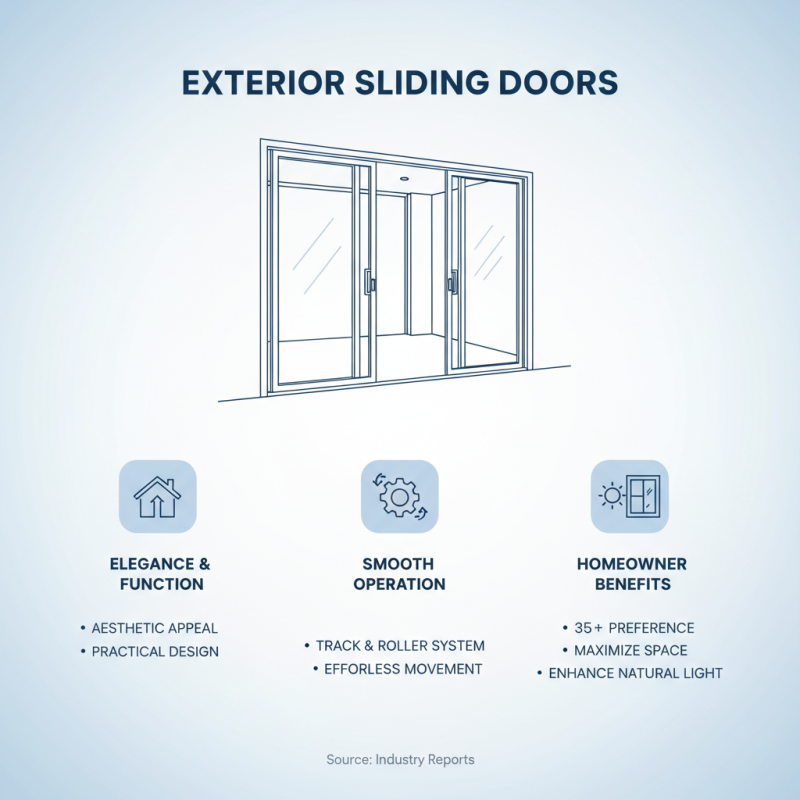
Exterior sliding doors are an elegant and functional addition to homes. Their design often combines aesthetics and practicality. The operation of these doors hinges on a sophisticated track and roller system, which is essential for smooth movement. According to industry reports, over 35% of homeowners prefer sliding doors for their ability to maximize space and enhance natural light.
The track system consists of a sturdy aluminum rail mounted at the top and bottom of the door frame. High-quality rollers glide along this rail, allowing easy opening and closing. A well-designed roller reduces friction, which is critical for longevity and smooth operation. Interestingly, improper installation can lead to complications; doors wobble or become misaligned, requiring frequent adjustments. Homeowners sometimes overlook regular maintenance, leading to wear over time.
Annual statistics indicate that over 20% of sliding door issues stem from inadequate upkeep. Cleaning the tracks and ensuring rollers are lubricated helps prevent future problems. The noise of a sliding door can also be a concern; squeaks often signal the need for a quick fix. Ignoring these signs can result in more extensive repairs down the line. While they offer many advantages, sliding doors do require thoughtful care to function optimally.
Benefits of Exterior Sliding Doors: Space Efficiency and Aesthetic Appeal
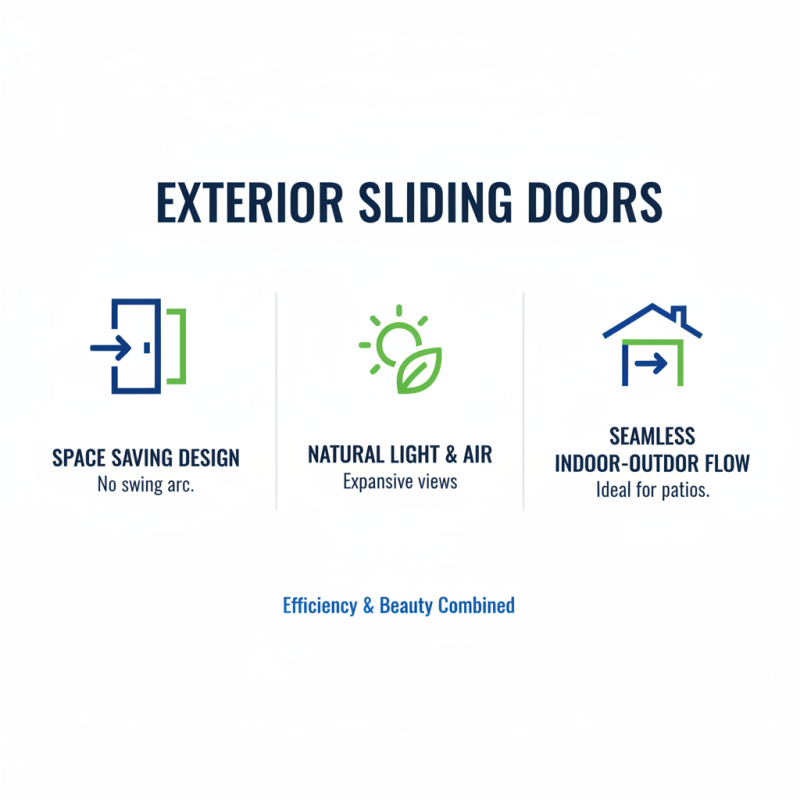
Exterior sliding doors offer a blend of space efficiency and aesthetic appeal. They slide open smoothly along a track, unlike traditional doors that swing. This design saves space, making them ideal for smaller areas. Imagine a cozy patio that feels more open, inviting natural light and fresh air.
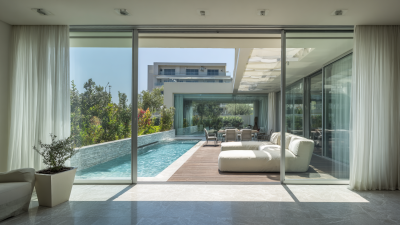
The aesthetic benefits are significant. These doors often feature large glass panels, bringing the outside in. This can enhance the view, creating a seamless transition between indoors and outdoors. You might also consider how this style complements your home decor. Yet, it’s crucial to choose designs that resonate with your taste. Sometimes, the wrong choice can disrupt your space's harmony.
While many cherish these doors, some might face issues with installation. Misalignment can cause them to stick or jam. Regular maintenance is key; cleaning the track and checking seals can prevent problems. Thoughtfully selecting materials can also influence durability and insulation. Balancing style with functionality has its challenges, but the rewards can be worth the effort.
Choosing the Right Exterior Sliding Door: Essential Considerations and Tips
Choosing the right exterior sliding door can significantly impact your home’s aesthetic and functionality. When considering your options, think about the materials. Fiberglass is durable, while wood offers warmth. Metal frames are sleek but can conduct heat. According to the National Association of Home Builders, energy-efficient sliding doors can reduce heating and cooling costs by up to 25%.
Another essential consideration is the size of the opening. A door that is too small may hinder access, while one that is too large could disrupt the flow of your space. Measuring carefully ensures a proper fit. Furthermore, safety features are crucial. Look for doors with tempered glass to prevent injuries.
Here are some tips for choosing an exterior sliding door:
- Consider the climate. Different materials perform better in various weather conditions.
- Think about security. Multi-point locks provide better protection.
- Ensure the door meets local building codes. This often avoids future issues.
Don’t overlook the importance of installation. Poorly installed doors can lead to drafts and moisture issues. Research and ask professionals for their recommendations. This investment is significant; it impacts your home for years to come. Always reflect on your choices to ensure they suit both your lifestyle and design preferences.