10 Essential Tips for Choosing a Portable Booth for Exhibitors?
Choosing the right portable booth for frequent exhibitors requires careful consideration. An effective booth can enhance visibility and engagement at trade shows. It can make a significant difference in how potential clients perceive your brand.
When selecting a portable booth, assess your specific needs. Different events have distinct requirements. A booth that works for one exhibition might not suit another. Think about dimensions and portability. Ease of setup and breakdown can impact your overall experience.
Quality plays a crucial role in effectiveness. A well-built portable booth can withstand the rigors of travel and frequent use. Evaluate the materials used and the booth's design. Remember, your booth is a representation of your brand. Ensure it reflects your professionalism and creativity. Addressing these aspects can lead to a successful exhibitor journey.
Understanding Different Types of Portable Booths Available for Exhibitors
When it comes to portable booths for exhibitors, understanding the various types available is crucial. There are several options to consider. Pop-up booths are among the most popular. They are lightweight and easy to assemble. According to industry reports, around 45% of exhibitors prefer pop-up designs for their flexibility and ease of transport. This type of booth often packs into a small case, which is a significant advantage during setups and tear-downs.
Another option is table-top displays. These are compact yet effective for smaller venues. They require minimal space yet still provide a platform to showcase products and engage with attendees. In fact, nearly 30% of exhibitors choose table-top displays due to their lower cost and easy setup. However, their size might limit visibility compared to larger booths.
Tension fabric displays offer a modern aesthetic. They use vibrant graphics that can attract attention. This method has gained traction, with reports indicating a 20% increase in popularity among various trade shows. While they look appealing, these booths may require more careful handling to maintain their quality over time. Notably, some exhibitors find that without proper planning, achieving maximum impact with these displays can be challenging and lead to underwhelming results.
Comparison of Portable Booth Types for Exhibitors
Key Factors to Consider: Size, Weight, and Portability for Easy Transport
Choosing the right portable booth is crucial for exhibitors. Size, weight, and portability are key factors that can greatly affect your experience and effectiveness. According to a report from Exhibit Surveys, nearly 47% of exhibitors believe that the weight of their booth is a significant consideration during events. A booth that is too heavy can lead to logistical nightmares and fatigue.
When evaluating size, it’s essential to consider the venue. A compact design aids in maximizing the use of available space. However, small booths can sometimes limit visibility. Balance is necessary. The average portable booth should weigh no more than 50-100 pounds. This range ensures easy transport without sacrificing durability.
Portability should not compromise quality. Some lightweight materials may not withstand regular use. It's crucial to find a booth that combines both ease of transport and sturdy construction. Ultimately, reflecting on your previous experiences can guide you in making a more informed choice. Review industry reports, and engage with fellow exhibitors to gather insights. Making informed decisions can lead to increased engagement at your next trade show.
Analyzing Material Choices: Durability vs. Lightweight Options in Booths
Choosing the right material for a portable booth is a critical aspect of exhibiting. Exhibitors face the dilemma between durability and lightweight options. According to industry data, nearly 70% of exhibitors prefer lightweight materials for ease of transport. However, this can sometimes compromise the booth's longevity.
Durable materials like aluminum and reinforced panels offer better performance over time. Booths built from these materials can withstand diverse conditions, ensuring they remain intact for multiple events. Research shows that exhibits made from sturdy components last up to 40% longer than their lightweight counterparts. This is essential for businesses that frequently participate in trade shows.
Lightweight options have their merits. They facilitate quick assembly and disassembly, allowing for a smoother setup process. However, they may require additional care. Fragile materials can suffer damage during transportation. Exhibitors need to balance these elements carefully. Assessing the frequency of usage and the environment in which the booth will be displayed is vital. This evaluation can guide the choice between long-term investment in durability or the convenience of lighter materials.
Budgeting for Your Booth: Cost Analysis and ROI for Exhibitors
When budgeting for your portable booth, understanding cost analysis and potential ROI is crucial. Research shows that effective trade show exhibits can yield as much as $2,000 in revenue for every $1 invested. This highlights the importance of careful planning and investment. Many exhibitors overlook hidden costs like shipping, storage, and setup fees. A simple breakdown can help you avoid surprises.
When considering your booth, remember these tips. First, assess your space requirements. A well-sized booth enhances visibility without overcrowding. Secondly, materials matter. Lightweight and durable options can reduce shipping costs while maintaining a professional appearance. Lastly, calculate your potential lead conversion rate based on historical data. This will inform your budget, ensuring you spend wisely.
Investing in quality design can increase engagement. According to industry reports, visually appealing booths attract 45% more visitors. However, striking a balance is crucial. Overspending on elaborate designs may not guarantee higher conversions. Reflect on your company's objectives when finalizing your budget. Keeping it realistic can lead to better outcomes than chasing perfection. Always evaluate the long-term benefits of investing in a booth that aligns with your brand’s narrative.
Design Aesthetics: Importance of Visual Appeal and Branding in Booths
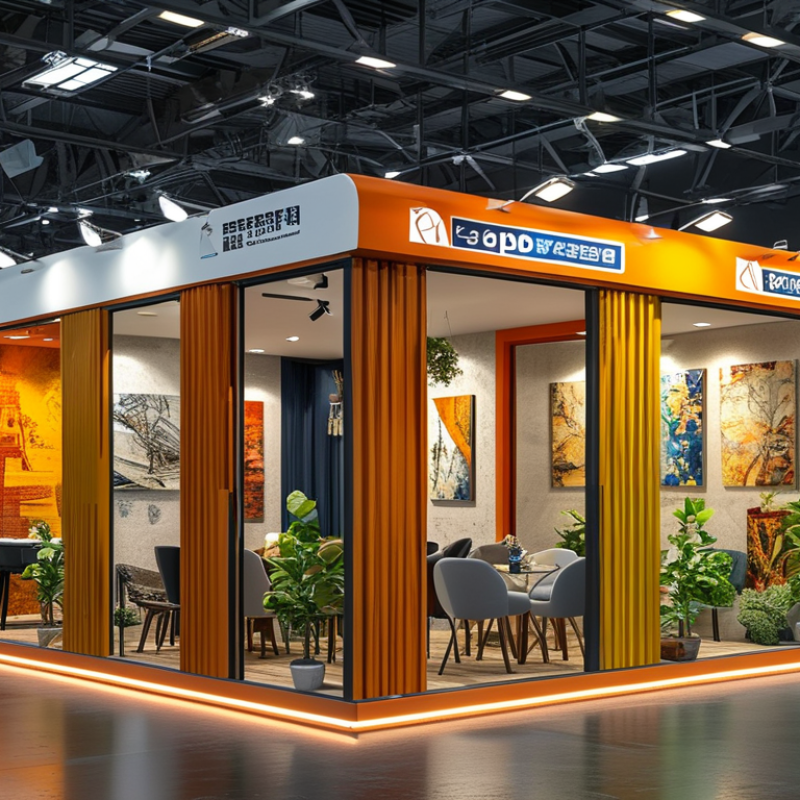
The visual appeal of a portable booth plays a crucial role in drawing attendees at exhibitions. According to a report by the Exhibition and Event Association, 76% of visitors are attracted to booths based on their design. It's essential to create an inviting and memorable visual experience. Strong colors, unique shapes, and engaging graphics can significantly enhance branding. A cohesive design expresses your brand's identity and values, making it easier for visitors to connect.
Branding goes beyond mere aesthetics. Consistent visual elements, like logos and typography, strengthen recognition. Data shows that 70% of decisions are made subconsciously, influenced by visuals. Therefore, a well-thought-out design influences buyer behavior. Yet, achieving this balance isn't always straightforward. Some exhibitors may overcomplicate their designs, leading to visual clutter. Simplicity often resonates more effectively. Clear messages should dominate the design to avoid losing focus.
Investing in quality materials also matters. High-quality graphics and sturdy structures convey professionalism. Exhibitors should regularly assess the effectiveness of their designs. Are they capturing attention? Are they reinforcing brand identity? Reflecting on these aspects can lead to improvements, ensuring your portable booth stands out in a crowded space.