How to Choose the Best Sliding Door for Your Home?
Choosing the right sliding door for your home is crucial. It influences aesthetics and functionality. A well-selected sliding door can enhance your living space significantly. Many options exist, making the decision challenging.
Different materials like wood, glass, and vinyl offer unique benefits. Each type has pros and cons. Consider factors like insulation, maintenance, and design. A sliding door should complement your home’s style while providing efficient use of space.
As you navigate choices, think about your lifestyle needs. How often do you use the door? Will children or pets be around? These details matter. The best sliding door will align with your practical requirements and your home’s character. Reflect on what truly works for you.
Types of Sliding Doors: An Overview of Popular Options
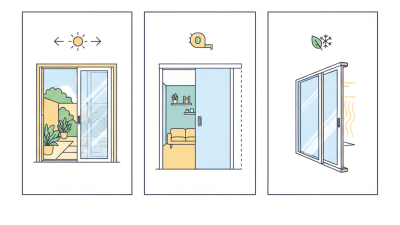
When choosing sliding doors, it’s essential to understand the types available. There are three main options: traditional sliding doors, bi-fold doors, and pocket doors. Each type offers unique benefits. Traditional sliding doors have two panels that slide past each other. They are energy-efficient and save space, making them a popular choice.
Bi-fold doors consist of multiple panels that fold open. These doors maximize natural light and create a seamless connection between indoor and outdoor spaces. According to a recent industry report, bi-fold doors can increase home value by up to 10%. Pocket doors slide into the wall, saving even more space. They are ideal for small rooms or areas where you want to avoid door swings.
Tip: Consider the materials of your sliding door. Options like vinyl, wood, and aluminum each have advantages. Wood provides warmth but needs maintenance. Aluminum is durable and low-maintenance.
Assess your needs carefully. Think about aesthetics, function, and installation costs. Each type has its drawbacks. For example, bi-fold doors can be more expensive and require more space when opened. Choose wisely, as the right door can enhance your home’s style and efficiency.
Popular Types of Sliding Doors
Key Factors to Consider When Selecting Sliding Doors for Your Home
When selecting sliding doors for your home, several key factors come into play. The type of material is crucial. Common options include vinyl, wood, and aluminum. Each material offers different benefits, such as durability and insulation. Consider your climate too. A door that performs well in one area might underperform in another.
Size is another important aspect. Measure your space carefully. A well-fitted door enhances the overall aesthetic. Think about how often you use this entry point. High-traffic areas require sturdier options. Security features should not be overlooked. Check for robust locking systems and shatter-resistant glass.
Lastly, think about privacy. Some sliding doors have built-in blinds or frosted glass. These options can provide the extra seclusion you need. Reflect on the style of your home as well. Your door should complement your existing architecture. Making the right choice requires careful consideration. Weigh your options and consult with professionals when in doubt.
How to Choose the Best Sliding Door for Your Home? - Key Factors to Consider When Selecting Sliding Doors for Your Home
| Factors |
Description |
Types |
| Material |
Choose between wood, aluminum, vinyl, or fiberglass based on durability and style. |
Wood, Aluminum, Vinyl, Fiberglass |
| Size |
Measure the opening and consider the space for operation and clearance. |
Standard, Custom Sizes |
| Style |
Choose a style that complements your home's design, such as contemporary or traditional. |
Modern, Traditional, Rustic |
| Energy Efficiency |
Look for doors that are energy-efficient to help reduce heating and cooling costs. |
Single or Double Glazed |
| Security Features |
Evaluate the locking mechanisms and frame strength for enhanced security. |
Multi-Point Locks, Reinforced Frames |
| Price |
Consider your budget and compare prices across different materials and styles. |
Economical, Mid-Range, Premium |
Material Choices: Wood, Vinyl, Aluminum, and Glass Comparisons
When selecting the ideal sliding door for your home, material choice is crucial.
Wood, vinyl, aluminum, and glass each offer distinct advantages and challenges.
Wood provides a classic aesthetic. It delivers great insulation and can be customized.
However, it often requires regular maintenance and can be prone to warping in humid climates.
According to the American Wood Council, poorly maintained wood doors can have a lifespan of only 10-15 years.
Vinyl sliding doors, on the other hand, are known for their energy efficiency and low maintenance.
They can resist weather damage effectively. The U.S. Department of Energy estimates that vinyl can save homeowners up to 30% on energy costs.
Yet, vinyl doors may lack the high-end appearance of wood. They can also be less durable in extreme temperatures.
Aluminum frames are robust and lightweight. They resist corrosion and can be made into large panels.
The drawbacks include lower insulation values compared to wood and vinyl.
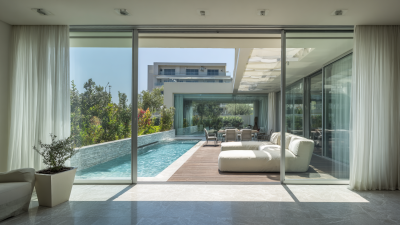
Glass sliding doors create a connection to the outdoors and enhance natural light.
However, they can increase energy costs and require careful selection of low-E glass to mitigate heat loss.
Balancing aesthetics with function is vital in this decision, as the right material can shape your living space for years to come.
Energy Efficiency and Insulation: What to Look For in Sliding Doors
Choosing sliding doors goes beyond aesthetics. Energy efficiency and insulation are crucial. Proper insulation can significantly impact your home’s energy bills. Look for doors with multi-chambered frames and insulated glass. These features enhance thermal resistance, keeping your home warm in winter and cool in summer.
Consider the material of the sliding doors. Vinyl and fiberglass often provide better insulation than aluminum. However, they may come with higher upfront costs. Check for the Energy Star label, which signifies compliance with energy efficiency guidelines. Air leaks are a common issue. Poorly sealed doors can lead to drafts and increased energy use.
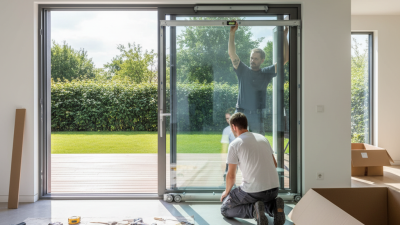
Installation also plays a key role in energy efficiency. Even the best sliding doors will underperform if not installed correctly. Hiring a professional can make a difference. They ensure proper sealing and alignment, minimizing air leaks. Spending time on this decision can save you money in the long run.
Style and Aesthetics: How to Match Sliding Doors with Home Decor
Choosing the right sliding door for your home involves understanding how to complement your existing decor. A sliding door should not only be functional but also enhance the visual appeal of your space. According to a recent industry report, homes with well-integrated sliding doors can increase property values by up to 15%. This makes choosing the right style even more crucial.
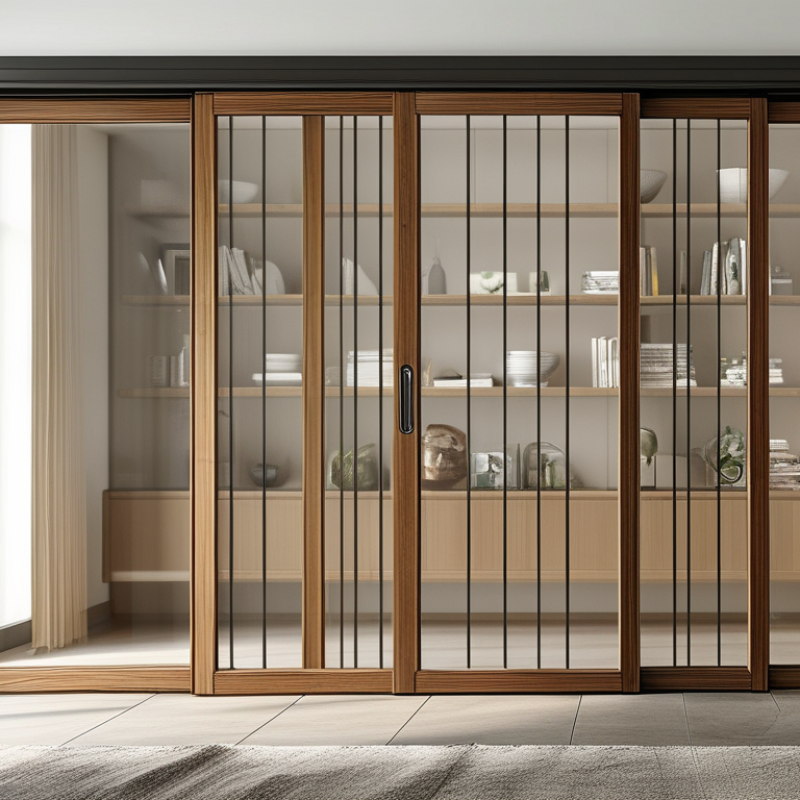
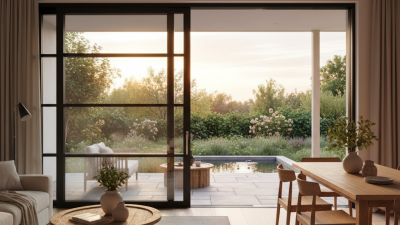
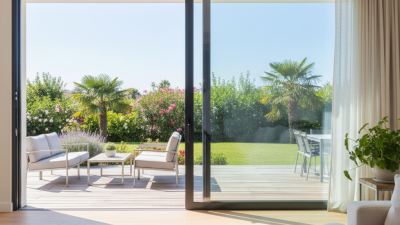
One popular trend is the use of natural materials. Wood doors can bring warmth and texture, making a space feel cozy. On the other hand, glass sliding doors can make a room feel larger and brighter. They provide an unobstructed view of your outdoor space, which can enhance the overall aesthetic.
Tips: Consider the colors and textures of your existing furnishings. Ensure your sliding door's finish aligns with your overall design theme. For example, sleek metal frames can suit modern aesthetics, while ornate wooden doors might fit better in a traditional setting.
It can be tricky. Some homeowners find it challenging to balance style with practicality. Additionally, not all sliding doors offer the same level of insulation or security. Consult with professionals to explore options that meet these needs without sacrificing design. The right door can transform your home, enhancing both style and comfort in your living space.