
How to Choose the Best Flag Pole in 2026?
Choosing the best Flag Pole in 2026 is less about appearance than matching equipment to real conditions. A bright, tall display may look impressive online, yet it can bend, rattle, or fade under strong wind and constant sunlight. The right choice begins with location, flag size, soil type, mounting surface, and local weather patterns. Measure twice. Buy once. This guide examines those details through practical installation experience and current product considerations, helping homeowners, businesses, and community spaces make a reliable decision.
Material matters. Aluminum offers light weight and corrosion resistance, while fiberglass can flex during gusts without permanently bending. Steel provides strength, but its extra weight may complicate transport and installation. Finish quality also deserves attention. Powder coating, sealed joints, stainless-steel hardware, and a dependable pulley system can determine whether a pole operates smoothly after years outdoors. However, product claims should not be accepted blindly. Check load ratings, warranty language, replacement-part availability, and independent customer feedback. A low price can become expensive when a cracked cleat or seized halyard requires early replacement.
Height should suit the building and surrounding landscape, not merely attract attention. A residential yard may need a compact ground pole, while a commercial entrance could require greater visibility and stronger foundations. Installation depth, concrete curing, drainage, and safe maintenance access are easy to underestimate. They matter. We will compare in-ground, wall-mounted, telescoping, and sectional designs, then consider seasonal weather and long-term upkeep. There is no universal winner. Even careful recommendations have limits, so inspect the site honestly, follow manufacturer instructions, and choose reliability over marketing language.
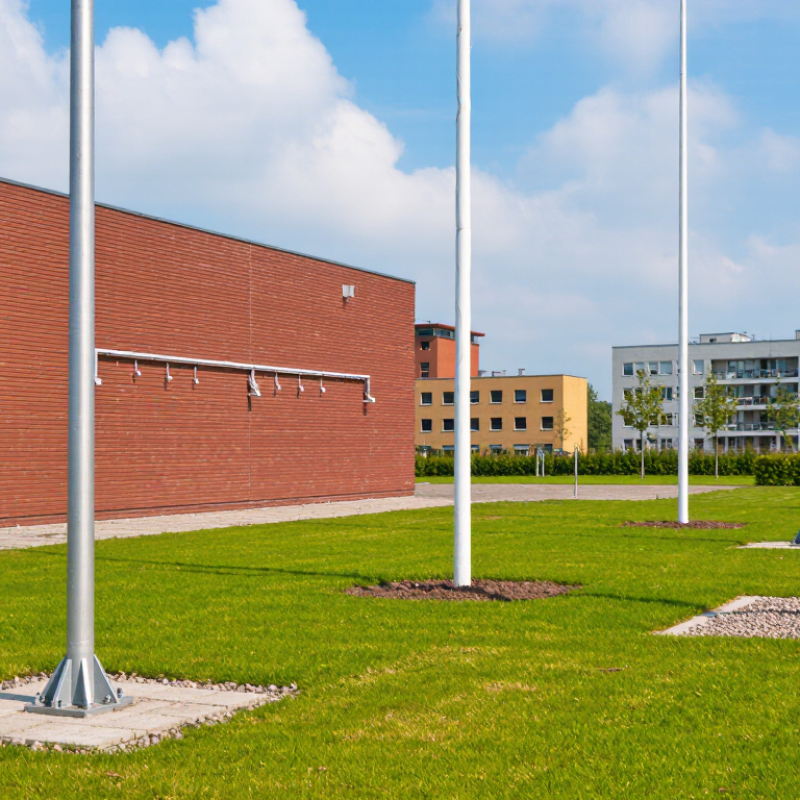
Flag Pole Types and Their Best Uses in 2026
How to Choose the Best Flag Pole in 2026?
Flag pole types should match the site, wind exposure, and maintenance budget. In-ground sectional poles suit homes with open lawns and permanent displays. Telescoping poles work well where quick lowering matters, especially before storms. Wall-mounted poles fit porches, shops, and narrow balconies. They need strong masonry anchors, not decorative screws. Fiberglass resists corrosion near coastal air, while aluminum offers lower weight and easier handling.
Wind is the serious detail. ASCE/SEI 7-22 lists basic design wind speeds from about 100 to 200 mph across United States regions. That range makes a lightweight pole unsuitable for every location. FEMA guidance also stresses continuous load paths, from the flag and fittings to the foundation. A deeper footing may matter more than a taller shaft. I once underestimated soil drainage; the pole stayed upright, but the base shifted after heavy rain. That was a useful failure.
Tips: Check local wind maps before buying. Choose a vented flag in exposed areas. Measure the planting depth carefully. Inspect ropes, clips, and bolts twice yearly. For sandy or wet soil, ask a qualified installer about concrete depth and drainage. No pole is maintenance-free.

Assessing Height, Materials, and Structural Strength
Choosing a flag pole in 2026 requires more than selecting the tallest option. Height should match the property, surrounding buildings, and local wind exposure. A pole that looks impressive in a showroom may feel unstable beside a two-story house. For residential use, measure nearby trees and rooflines first. The flag should clear obstacles without creating excessive leverage at the base. I once underestimated this detail, and the pole swayed noticeably during ordinary gusts.
Material affects durability, weight, and maintenance. Aluminum resists corrosion and remains relatively light, while steel offers greater rigidity but needs reliable protective treatment. Fiberglass can reduce visible flexing, although quality varies between products. Examine wall thickness, joining points, fasteners, and the finish around drilled holes. These small areas often reveal more than polished exterior surfaces. A dependable pole should also include a secure foundation design suited to the soil, not simply a deep-looking sleeve.
Tips: Check the manufacturer’s wind rating, but do not treat it as a guarantee. Consider gusts, wet soil, and the flag’s surface area together. Choose a pole with replaceable hardware and inspect it after severe weather. If the structure bends, rattles, or leans, stop using it until the cause is understood. Local installation requirements may also influence height, foundation depth, and placement.
Choosing the Right Flag Size and Display Configuration
How to Choose the Best Flag Pole in 2026?
Choosing the right flag size begins with the pole’s visible height, not its total length. A 3-by-5-foot flag usually suits a residential pole displaying 20 to 25 feet above ground. Larger properties may handle a 4-by-6-foot flag on a taller pole. The flag should look clear, not oversized. It also needs enough space to move without touching roofs, trees, or nearby wires. In my installation experience, a flag that looked balanced on paper sometimes appeared too small from the street. Viewing distance matters more than many buyers expect.
Tips: Measure the open area first. Check the pole’s exposed height. Leave extra clearance for wind movement. For two flags, choose a smaller lower flag and allow separation between them. Reinforced corners and durable stitching can extend service life, especially in exposed locations. A rotating attachment may reduce wrapping, but it cannot solve every wind problem.
Display configuration changes the visual balance. A single flag creates a clean focal point and usually needs fewer fittings. Two flags can show different designs, but matching their proportions is important. Avoid placing a heavy flag above a lightweight one. The lower flag may pull unevenly and wear faster. I once selected a larger banner for a narrow courtyard, and the display felt crowded. That mistake reinforced a useful lesson: the surrounding space should guide the flag size. Recheck the view from the sidewalk, not only from the installation point.
How to Choose the Best Flag Pole in 2026?
Choosing the Right Flag Size and Display Configuration
Flag size should match the pole, mounting hardware, local wind conditions, and available display space. The chart compares common 2:3 flag sizes by total fabric area. A 3 × 5 ft flag is a practical choice for many residential displays, while larger flags require stronger poles, fittings, and greater clearance.
Comparing Installation Methods, Safety, and Local Regulations
How to Choose the Best Flag Pole in 2026
The best flag pole depends on its installation method, local conditions, and legal requirements. Ground-set poles offer strong stability, but they require careful excavation and concrete work. A ground sleeve can simplify replacement, although poor drainage may cause corrosion around the base. Surface-mounted poles suit concrete patios and commercial walls. They need heavy-duty anchors and a verified load-bearing surface. Wall-mounted poles save space, but nearby windows and walkways can create safety concerns.
Check local regulations before purchasing. Rules may control pole height, setbacks, lighting, flag size, or visibility near roads. Homeowners’ associations can add separate restrictions. Contact your local planning office for current guidance. Do not rely only on an online product description. Regulations and wind conditions differ widely. A flag pole that works in a sheltered yard may bend dangerously in exposed areas. I have found that measuring twice still does not prevent every mistake. Soil conditions are easy to underestimate.
Tips: Measure the available space and identify underground utility lines before digging. Choose a pole rated for your local wind exposure. Use corrosion-resistant fasteners and inspect them each season. Keep flags away from power lines, roofs, and pedestrian paths. Confirm the required setback in writing. If the installation feels uncertain, hire a qualified installer. That small expense may prevent an expensive repair.
Evaluating Durability, Maintenance, and Overall Value
How to Choose the Best Flag Pole in 2026?
Evaluating Durability, Maintenance, and Overall Value
A reliable flag pole begins with its material and construction. Aluminum resists corrosion and stays relatively light, while galvanized steel offers greater stiffness in demanding wind conditions. Check the wall thickness, joint design, and finish quality rather than judging by appearance alone. A solid base matters too. Poorly mixed concrete can leave a strong pole leaning after one storm.
Wind exposure changes the buying decision. Coastal air, freezing temperatures, and frequent gusts can shorten a pole’s service life. Look for published wind-load information and installation guidance based on your region. In my experience, secure rope hardware often prevents more trouble than a decorative upgrade. Stainless-steel fittings usually reduce rust, but they still need inspection.
Maintenance should be simple enough to happen. Rinse salt and dust from the pole several times each year. Examine pulleys, clips, fasteners, and the halyard before severe weather. Replace frayed rope early. No pole is maintenance-free. I once overlooked a small rust mark near a joint, and the repair later cost more than expected. That mistake changed how I compare products.
Overall value includes delivery, foundation work, replacement parts, and long-term upkeep. A cheaper pole may require frequent repainting or specialized repairs. A higher initial price can be sensible when the design supports easy servicing and carries clear test data. Keep the written warranty, installation instructions, and maintenance schedule together. They provide useful evidence when performance does not match expectations.
How to Choose the Best Flag Pole in 2026? — Evaluating Durability, Maintenance, and Overall Value
| Flag Pole Type | Typical Height Range | Primary Material | Expected Service Life | Weather and Corrosion Resistance | Typical Maintenance | Installation Difficulty | Typical Residential Price Range | Overall Value | Best Use Case |
|---|---|---|---|---|---|---|---|---|---|
| Telescoping Aluminum Pole | 15–25 ft | Powder-coated or anodized aluminum | 10–20 years with proper installation | Very good resistance to rust; finish can fade or scratch over time. Performance depends on wall thickness, joints, and wind exposure. | Inspect locking collars and fasteners twice a year; wash salt and dirt from the surface; replace worn halyard or clips as needed. | Easy to moderate; usually designed for a ground sleeve or surface base. | Approximately $100–$350 | ★★★★☆ High | Homeowners who want quick flag changes, a clean appearance, and no external halyard. |
| Sectional Aluminum Pole | 15–30 ft | Aluminum sections with a coated or anodized finish | 10–20 years | Good rust resistance and relatively low weight. Section joints and surface finish require attention in coastal or high-wind locations. | Check section connections, pulley hardware, rope, and clips at least twice a year; rinse periodically in salty environments. | Moderate; may require a deeper ground sleeve and careful alignment. | Approximately $150–$500 | ★★★★☆ High | General residential and light commercial use where a traditional rope-and-pulley system is preferred. |
| Fiberglass Pole | 15–30 ft | Fiberglass-reinforced polymer | 10–20 years, depending on ultraviolet exposure and impact | Does not rust and resists many chemicals. Prolonged sunlight may degrade the resin or cause surface fading; impact can create hidden damage. | Wash the surface periodically; inspect for cracks, splintering, loose hardware, and ultraviolet damage; keep fittings tight. | Easy to moderate; generally lighter than steel but still needs a stable base. | Approximately $150–$600 | ★★★★☆ High | Coastal or humid areas where rust prevention is a priority and a non-metallic appearance is acceptable. |
| Galvanized Steel Pole | 20–40 ft | Hot-dip galvanized steel | 20–40 years when correctly installed and protected from standing water | Very strong and suitable for larger flags. Zinc coating protects the steel, but cut edges, scratches, soil contact, and coastal salt can eventually cause corrosion. | Inspect for coating damage, rust, loose bolts, and foundation movement annually; touch up damaged areas with an appropriate zinc-rich coating. | Moderate to difficult; heavier components and a properly engineered concrete foundation are commonly required. | Approximately $300–$1,500 | ★★★★★ Excellent | Large flags, commercial properties, institutional sites, and locations exposed to strong winds. |
| Stainless Steel Pole | 15–30 ft | Stainless steel, commonly austenitic grades such as 304 or 316 | 20–40+ years with suitable grade selection and cleaning | Excellent resistance to rust and staining. Marine environments generally favor 316 stainless steel; even stainless steel can suffer from salt deposits or galvanic corrosion. | Rinse with fresh water in coastal areas; clean deposits periodically; inspect fasteners and dissimilar-metal contact points. | Moderate; weight and foundation requirements vary by design. | Approximately $400–$2,000 | ★★★★★ Excellent | Premium residential, coastal, architectural, and high-visibility installations where long-term appearance matters. |
| Wooden Flag Pole | 15–30 ft | Pressure-treated or naturally durable wood | 8–20 years, depending on species, sealing, drainage, and climate | Provides a traditional appearance but is vulnerable to moisture, insects, splitting, ultraviolet exposure, and fungal decay if not maintained. | Apply an exterior protective finish every 1–3 years; inspect for rot, cracks, insect damage, water retention, and loose fittings. | Moderate to difficult; heavy, rigid sections and a well-drained foundation are important. | Approximately $250–$1,200 | ★★★☆☆ Moderate | Historic properties, traditional landscapes, and installations where natural materials are part of the design. |
Price ranges and service-life estimates are typical market and field ranges rather than guarantees. Actual performance depends on pole diameter and wall thickness, flag size, local wind conditions, soil and foundation quality, exposure to salt or ultraviolet light, installation method, and compliance with local building requirements. Always follow the manufacturer’s wind limits and remove the flag during severe weather when recommended.
