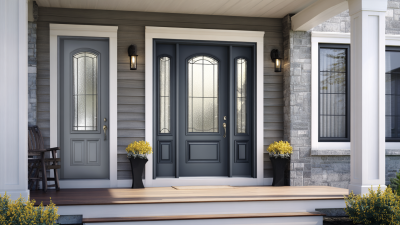
How to Choose the Best Home Windows Replacement for Energy Efficiency
When it comes to selecting the best replacement windows for your home, many factors come into play, particularly energy efficiency. According to Jane Smith, a leading expert in the home windows replacement industry, “Choosing the right windows can significantly cut your energy bills while enhancing your home's comfort.” With the increasing focus on sustainable living, homeowners are seeking solutions that not only improve aesthetics but also contribute to reducing energy consumption.
This guide aims to provide you with practical tips and considerations for making informed decisions on home windows replacement. Understanding the styles, materials, and energy ratings available will empower you to choose windows that meet your needs and contribute to a more energy-efficient home. From selecting double-glazed options to evaluating the benefits of low-E coatings, each aspect plays a crucial role in maximizing energy savings.
As you embark on this journey, keep in mind that the right home windows replacement can make a lasting difference in both your energy footprint and your overall living experience. This comprehensive approach will ensure you are well-prepared to make the best choices for your home’s future.
Understanding Energy Efficiency Ratings for Windows
When selecting replacement windows for optimal energy efficiency, understanding energy efficiency ratings is crucial. Windows are typically rated using the National Fenestration Rating Council (NFRC) labels, which provide valuable information about a window's performance. This includes the U-factor, which measures heat transfer; the Solar Heat Gain Coefficient (SHGC), indicating how much solar radiation enters through the window; and the Visible Transmittance (VT), which assesses how much light is allowed in. According to the U.S. Department of Energy, windows can account for up to 30% of residential heating and cooling energy consumption, making energy-efficient options a key consideration for homeowners.
Another important metric is the Energy Star rating, which is a trusted signifier of certified energy efficiency. In 2022, the Energy Star program reported that homes equipped with Energy Star-certified windows can reduce energy costs by an average of 12% compared to non-certified windows. Additionally, opting for double or triple-pane windows with Low-E glass can enhance insulation and reduce heat loss, further improving energy savings. By carefully considering these ratings and certifications, homeowners can make informed decisions that contribute to long-term energy savings and sustainability.
Energy Efficiency Ratings for Windows
This bar chart illustrates the U-Value ratings for various types of window replacements. A lower U-Value indicates better energy efficiency, which can lead to reduced energy costs and improved comfort levels in the home. Selecting windows with lower U-Values is essential for enhancing energy efficiency in residential buildings.
Identifying the Best Window Materials for Insulation
When selecting the best window materials for insulation, it's essential to consider their thermal performance, durability, and overall energy efficiency. According to the U.S. Department of Energy, windows account for up to 30% of a home's heating and cooling energy use. Consequently, choosing materials that provide superior insulation can significantly reduce energy expenses and improve indoor comfort.
Vinyl, fiberglass, and wood alternative windows are among the most popular choices for energy-efficient replacements. Vinyl windows offer excellent thermal performance with a lower initial cost, and they are resistant to moisture, which minimizes warping and rotting. A report from the Efficient Windows Collaborative suggests that vinyl windows can achieve an impressive U-factor as low as 0.20, making them ideal for colder climates.
Fiberglass windows, while generally higher in price, provide superior insulation due to their ability to expand and contract with temperature changes without compromising the seal. The National Association of Realtors states that fiberglass frames can achieve R-values of 3.5 to 7, outperforming traditional wood frames which average around 3. A thoughtfully chosen window replacement can not only enhance your home's aesthetic but also lead to significant long-term savings in energy costs.
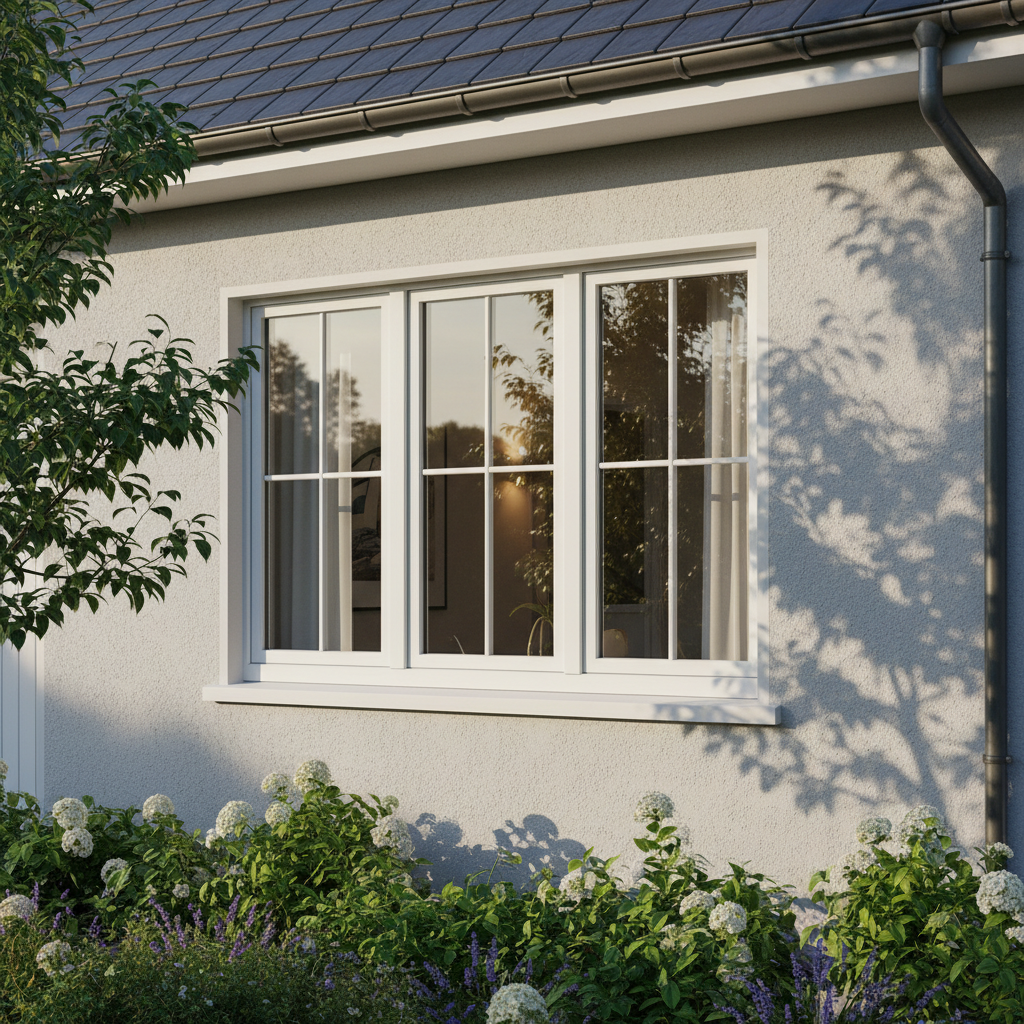
Comparing Double vs. Triple Glazing Options
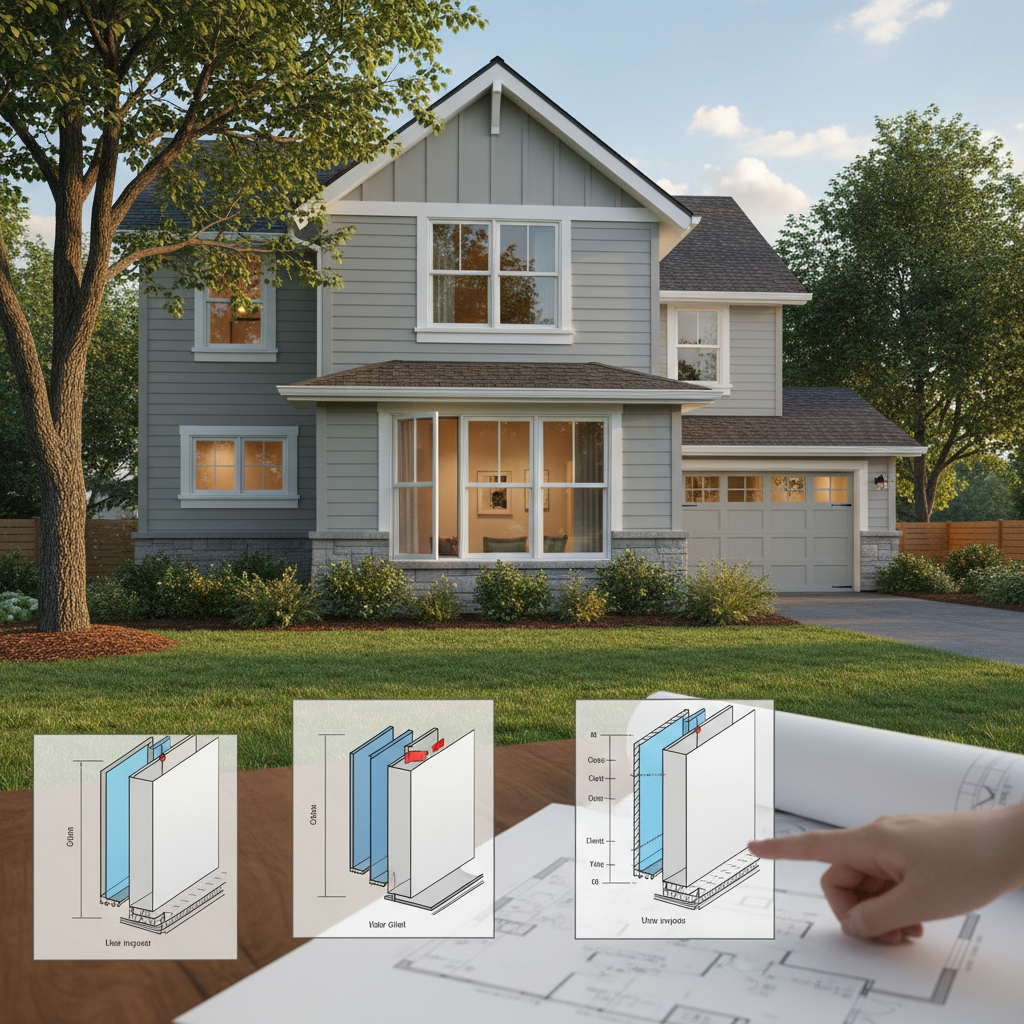
When selecting new home windows for energy efficiency, one crucial decision revolves around the glazing options—primarily double versus triple glazing. Double-glazed windows consist of two panes of glass with a space filled with gas, which provides a reasonable level of insulation from outside temperatures. This option is often more affordable and lightweight, while still effectively reducing heat loss and outdoor noise. For many homeowners, double glazing offers a good balance of cost and performance, making it a popular choice for upgrading energy efficiency.
On the other hand, triple-glazed windows incorporate three panes of glass, significantly improving thermal insulation. The extra pane and additional space between the panes result in lower U-values, translating to better energy savings over time. Although they typically come with a higher initial investment, triple-glazed windows can lead to reduced heating and cooling costs, making them an appealing option for those living in extreme climates. Ultimately, the choice between double and triple glazing depends on individual budget considerations and energy efficiency goals.
How to Choose the Best Home Windows Replacement for Energy Efficiency - Comparing Double vs. Triple Glazing Options
| Feature |
Double Glazing |
Triple Glazing |
| Energy Efficiency (U-value) |
1.2 - 1.4 W/m²K |
0.8 - 1.1 W/m²K |
| Average Cost per Window |
$300 - $700 |
$500 - $900 |
| Sound Insulation (dB) |
32 - 36 dB |
38 - 42 dB |
| Condensation Resistance |
Moderate |
High |
| Lifespan (Years) |
15 - 25 |
20 - 30 |
| Best For |
Moderate climates |
Extreme climates |
Exploring Advanced Technologies in Window Design
When selecting replacement windows for optimal energy efficiency, it's essential to explore the latest advancements in window design. New technologies such as low-emissivity (Low-E) glass, triple glazing, and argon gas fills significantly enhance thermal performance. According to the U.S. Department of Energy, windows account for 25-30% of residential heating and cooling energy use. By investing in high-performance windows, homeowners can reduce energy costs by up to 15%.
One of the most notable innovations is the use of vacuum-sealed windows, which boasts an unprecedented insulating capacity. Studies show that these advanced windows can reduce thermal transfer significantly compared to traditional double-pane models. Furthermore, smart window technology, featuring electrochromic glass that adjusts tint based on sunlight, not only improves comfort but can also enhance energy efficiency by minimizing heat gain.
**Tips:**
- When shopping for windows, look for the ENERGY STAR label, which signifies that the product meets rigorous energy efficiency guidelines.
- Consider windows with a high R-value for better insulation properties, especially in extreme climates.
- Don't overlook frame materials; for example, fiberglass frames offer better insulation compared to vinyl or aluminum.
Evaluating Cost vs. Long-Term Energy Savings
When evaluating cost versus long-term energy savings for home window replacements, it’s essential to consider the initial investment against the potential reductions in energy bills. According to the U.S. Department of Energy, replacing single-pane windows with energy-efficient models can save homeowners between $126 to $465 per year on energy costs, depending on the climate. This substantial annual savings highlights the importance of making an informed decision that balances upfront costs with future benefits.
Moreover, many modern windows come with Energy Star ratings, which signify that they meet strict energy efficiency guidelines set by the Environmental Protection Agency. Investing in Energy Star windows can lead to an average energy cost savings of 12% compared to non-rated windows. While the average cost of high-quality energy-efficient windows ranges from $300 to $1,000 per window, the long-term energy savings often offset this expense over time. By focusing on these factors, homeowners can ensure that their window replacement is not only a visually appealing upgrade but also a smart financial decision in terms of energy efficiency.