Best Residential Windows for Energy Efficiency and Durability?
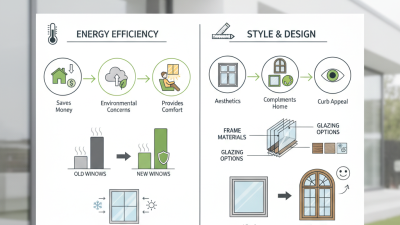
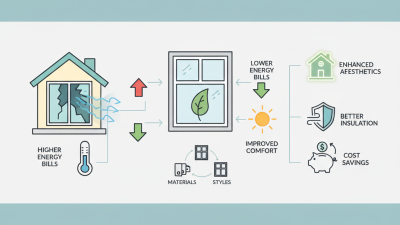
When considering energy efficiency and durability in residential windows, homeowners often face numerous choices. A report from the U.S. Department of Energy states that nearly 30% of a home's energy loss occurs through windows. Selecting the right residential windows can lead to significant energy savings. The type of window frame, glazing, and installation all play crucial roles.
Many manufacturers claim high performance ratings, but understanding these ratings is essential. Research shows that windows with low U-factors and high Solar Heat Gain Coefficient (SHGC) values are the most efficient. Additionally, Energy Star-rated residential windows can save homeowners an average of 12% on their energy bills. However, not all windows are created equal; the right choice depends on climate, home design, and personal preferences.
Choosing residential windows is often a complex task. While high-efficiency options exist, they may come at a premium. Thus, weighing the long-term energy savings against initial costs can be challenging. Homeowners are encouraged to conduct thorough research. Consulting professionals and understanding the latest industry standards can lead to more informed decisions.
Types of Residential Windows for Energy Efficiency
When selecting residential windows, energy efficiency is key. One effective type is double-pane windows. They have two layers of glass with gas in between. This design reduces heat transfer. It keeps homes warmer in winter and cooler in summer.
Another option is low-E glass windows. These windows feature a special coating. This coating reflects heat while allowing light in. They perform well in various climates. Choosing low-E windows can significantly lower energy bills.
Vinyl and fiberglass frames also offer durability. They resist rotting and warping. Vinyl requires minimal maintenance over time. However, some homeowners worry about the long-term performance of synthetic materials. It's always wise to weigh the pros and cons before making a decision.
Key Materials for Durable Energy-Efficient Windows
Choosing the right materials for energy-efficient windows is vital for any homeowner. Common options include vinyl, wood, and fiberglass.
Vinyl windows are popular for their low maintenance and resistance to moisture. They effectively insulate against outdoor temperatures, making them energy-efficient. Wood offers natural beauty and excellent insulation properties. However, it requires regular upkeep to prevent rotting and warping. Fiberglass windows are durable and energy-efficient, but they can be more expensive.
When selecting windows, consider the insulative values of these materials. Low-E glass is also essential. It reflects heat while allowing light in, contributing to energy savings. The spacer materials between the panes matter too. Spacer bars can affect the overall performance of energy efficiency. Some bar designs provide better seals, reducing the chance of condensation.
Consider the climate where you live. Extreme temperatures can affect window durability and performance. Investing in high-quality windows may seem costly upfront. Yet, they often lead to savings on energy bills. Regular maintenance can extend their lifespan but might be tedious. Reflect on both immediate needs and long-term benefits to make the best choice for your home.
Energy Ratings and Their Importance in Window Selection
Energy ratings play a vital role in selecting windows for residential properties. These ratings provide insights into how well a window can insulate your home. The performance of windows is measured by U-factor and Solar Heat Gain Coefficient (SHGC). A lower U-factor indicates better insulation. Conversely, a lower SHGC rating reduces the amount of heat entering your home from sunlight.
When choosing windows, understanding these ratings allows homeowners to make informed decisions. Many people overlook this crucial aspect, leading to inefficient energy use. It may seem confusing at first glance, but focusing on energy ratings can yield long-term benefits. Windows with higher energy efficiency reduce energy costs and increase comfort levels inside your home.
The importance of proper installation cannot be overstated. Poorly installed windows may lead to air leaks, undermining the energy efficiency rating. Homeowners should consider hiring professionals with experience in window installation. This ensures that the selected windows perform as intended, maximizing durability and energy efficiency over time. Balancing aesthetics and performance can be challenging. However, paying attention to energy ratings can ultimately enhance your living space.
Energy Efficiency Ratings of Residential Windows
Features to Look for in Energy-Efficient Windows
When searching for energy-efficient windows, consider several critical features. Energy performance is often quantified using the U-factor. This measures heat transfer through the window. A lower U-factor indicates better insulation. The most efficient windows score between 0.20 to 0.30 U-factor, as reported by the U.S. Department of Energy.
Look for multiple glazing layers. Double or triple-pane windows trap air or gas between layers. This enhances insulation and reduces energy costs. Low-emissivity (Low-E) coatings also play a vital role. They reflect heat back into the home in winter. In summer, they keep heat out, improving comfort and energy savings. A study from the National Renewable Energy Laboratory found that Low-E windows can save homeowners up to 30% on energy bills yearly.
Durability is equally important. Choose windows with sturdy frames and seals. Vinyl and fiberglass are often recommended for their longevity. The National Fenestration Rating Council (NFRC) indicates that a good seal can last over 20 years. Poor seals lead to energy loss and may require costly replacements. Homeowners should also assess warranty options, as they reflect manufacturer confidence in product durability. Regular maintenance can extend window life and efficiency further.
Best Practices for Installing Energy-Efficient Windows
Installing energy-efficient windows requires careful planning and attention to detail. Choosing the right type of windows is critical. Look for double or triple-glazed options. These windows provide better insulation than single-pane ones. They can also reduce noise pollution from outside. Frame materials matter too. Vinyl and fiberglass provide good insulation and durability.
Proper installation is just as important. Even the best windows won't perform well if not installed correctly. Ensure the opening is square and level before placing the window. Use appropriate caulking to seal gaps. This can help prevent air leaks, which are a common issue. An overlooked area is the window flashing. Improper flashing can lead to water damage over time.
Maintenance plays a role in long-term efficiency. Simple tasks like cleaning the frames and checking seals regularly can make a difference. Pay attention to wear and tear. Replace worn parts promptly. Inexperience in installation can lead to costly adjustments later. It's important to reflect on your installation process. Revising techniques based on the outcome can lead to improvements.