What is the Best Type of Residential Windows for Your Home
When it comes to enhancing the energy efficiency, aesthetics, and comfort of your home, the choice of residential windows plays a crucial role. According to the U.S. Department of Energy, roughly 30% of a home's heating and cooling energy is lost through inefficient windows. This statistic highlights the importance of selecting the right type of windows to not only improve energy conservation but also reduce long-term utility costs.
In recent years, advancements in window technology have led to a variety of options that cater to different climatic conditions, homeowner preferences, and budget considerations. For instance, Energy Star-rated residential windows can significantly lower energy costs, saving homeowners upwards of $500 a year in energy bills, as reported by the Alliance to Save Energy. With numerous materials such as vinyl, wood, fiberglass, and aluminum available, understanding the benefits and drawbacks of each type can empower homeowners to make informed decisions that elevate the overall quality and value of their living spaces.
Types of Residential Windows: An Overview of Options Available Today
When it comes to choosing the right residential windows for your home, it’s essential to understand the variety of options available today. Each window type is designed to meet specific aesthetic preferences, energy efficiency standards, and functionality.
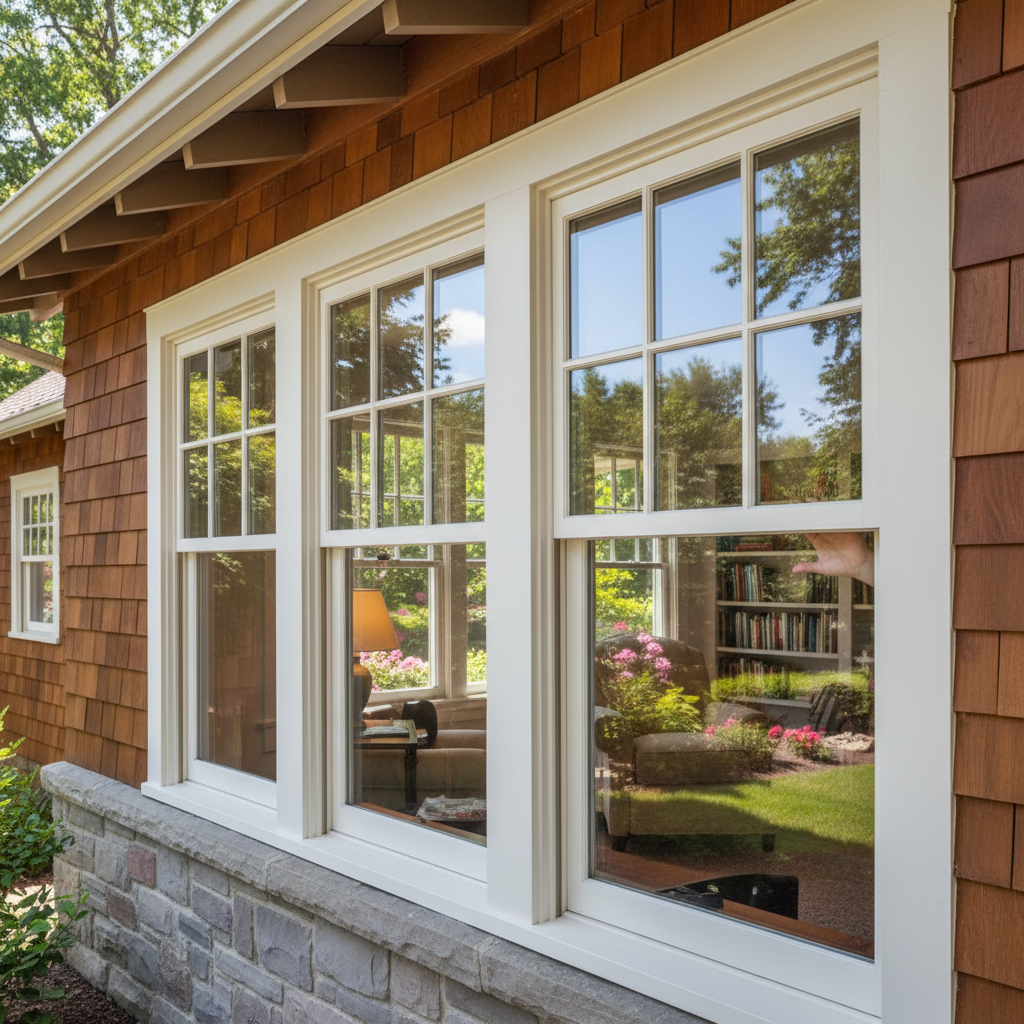
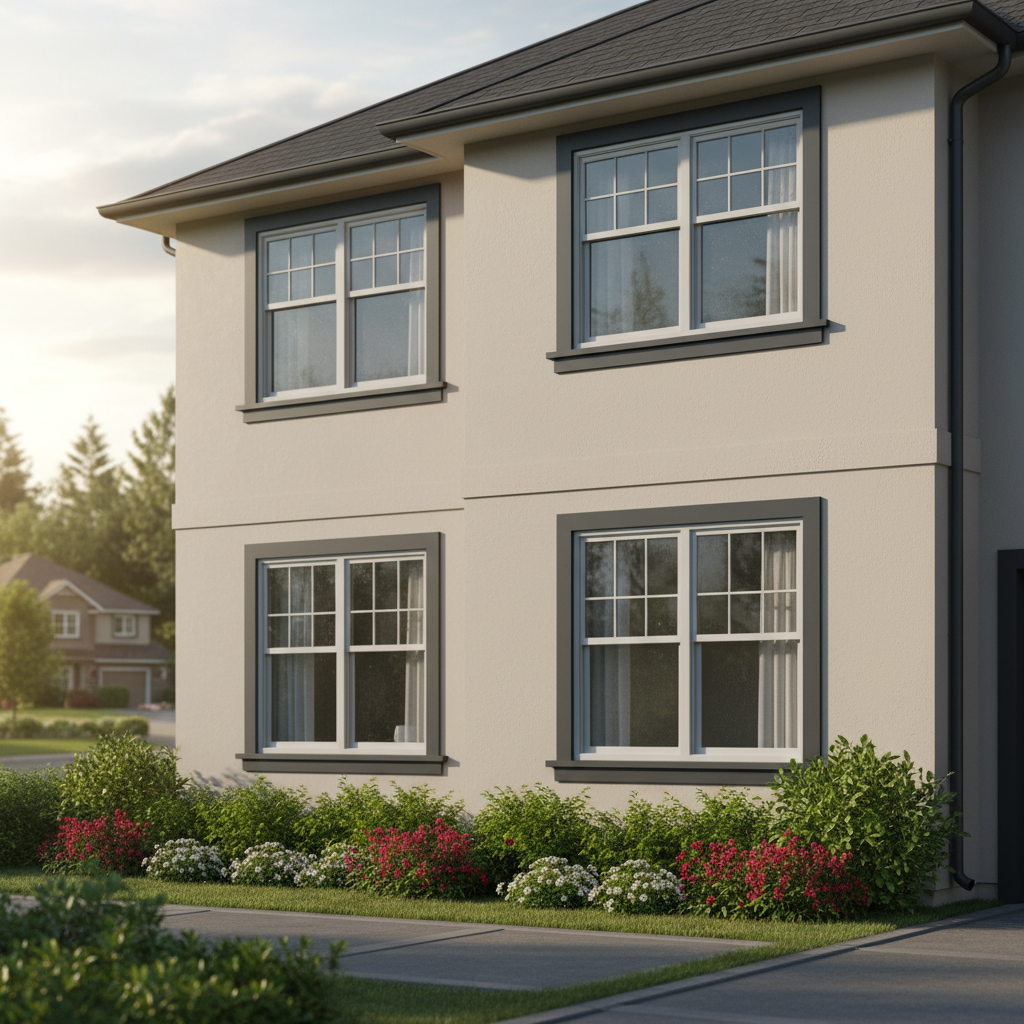
One of the most popular choices is double-hung windows, which allow for versatility in ventilation and ease of cleaning. Their timeless design complements many architectural styles while providing excellent insulation.
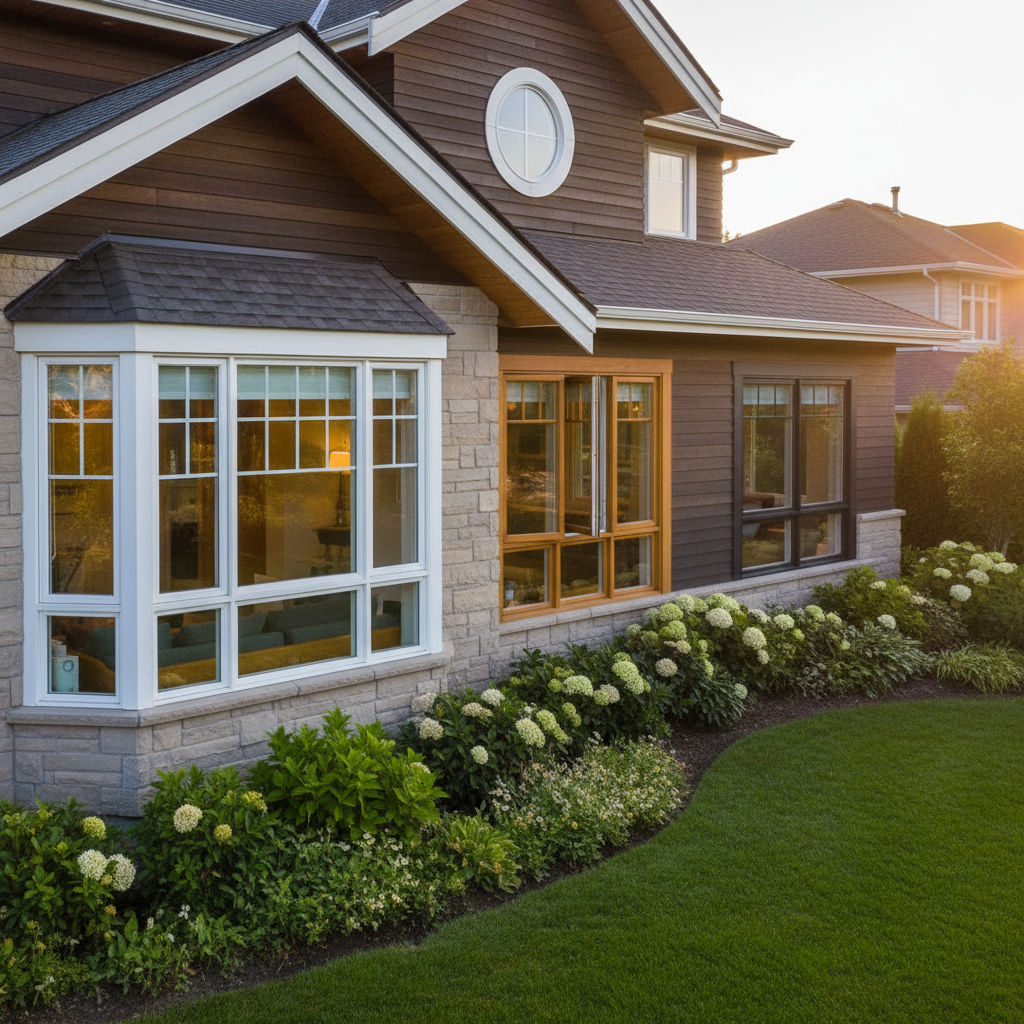
Casement windows are another excellent option, known for their exceptional energy efficiency and unobstructed views. They open outward, allowing for maximum airflow, and often come with a tight seal to prevent drafts. For homeowners looking for a modern touch, sliding windows offer a sleek design and ease of operation, making them a favorite in contemporary settings. Additionally, bay and bow windows can enhance a home's curb appeal while creating additional interior space and bringing in natural light. Each type of window offers unique advantages, making it crucial to consider your home's specific needs and style when making a decision.
Energy Efficiency Ratings: Understanding U-Factor and SHGC
When selecting the best type of residential windows for your home, energy efficiency ratings play a crucial role.
Two pivotal metrics are the U-Factor and the Solar Heat Gain Coefficient (SHGC).
The U-Factor measures the rate of heat transfer through a window, indicating how well it insulates. A lower U-Factor signifies better insulation, which can significantly reduce heating and cooling costs over time.
Therefore, homeowners should aim for windows with a U-Factor that meets or exceeds local energy codes, especially in regions with extreme temperatures.
On the other hand, the SHGC quantifies the amount of solar radiation that passes through a window. This rating is essential for managing heat gain from sunlight, particularly in warmer climates where oversized heat gain can increase reliance on air conditioning.
A lower SHGC is desirable in hot regions, whereas a higher SHGC may be beneficial in cooler climates, as it allows sunlight to contribute to indoor heating during the colder months.
Consequently, understanding both the U-Factor and SHGC will equip homeowners to make informed decisions that enhance comfort and efficiency in their living spaces.
Materials Matter: Comparing Vinyl, Wood, Aluminum, and Fiberglass
When choosing the best type of residential windows for your home, the material plays a crucial role in determining durability, insulation, and aesthetics. Vinyl windows are popular for their affordability and low maintenance. They are energy-efficient and resistant to moisture, making them ideal for various climates. Their diverse color options also provide flexibility in matching your home's style.
Wood windows exude natural beauty and elegance, offering excellent insulation properties. However, they require regular maintenance to prevent rot and weather-related damage. For homeowners who value traditional aesthetics and are willing to invest in upkeep, wood can be a stunning choice. On the other hand, aluminum windows offer a contemporary look and remarkable strength. They are lightweight, require minimal maintenance, and can be powder-coated in various colors. Though less energy-efficient than vinyl or wood, advancements in thermal breaks have improved their performance.
Fiberglass windows combine the best attributes of the aforementioned materials. They are strong, energy-efficient, and resistant to warping or cracking. Additionally, fiberglass can be painted to match any exterior, providing versatility similar to wood, yet with less maintenance. By considering these seven materials—vinyl, wood, aluminum, and fiberglass—homeowners can make informed decisions that enhance their property's overall value and comfort.
Cost Analysis: Initial Investment vs. Long-Term Savings on Windows
When considering the best residential windows for your home, the cost analysis between initial investment and long-term savings is crucial. According to the Department of Energy, energy-efficient windows can reduce heating and cooling costs by up to 25%. While the upfront cost for high-performance windows, such as triple-pane or low-E glass, can be significantly higher—ranging from $400 to $1,000 per window—their ability to lower energy bills makes them a wise investment in the long run.
Moreover, a study by the Lawrence Berkeley National Laboratory found that energy-efficient windows can increase a home's resale value by approximately 10%, making them not just a functional upgrade but also a financial one. Homeowners can expect a return on investment (ROI) of nearly 70% when replacing standard windows with energy-efficient models. This long-term savings, coupled with the potential for tax credits or rebates for energy-efficient upgrades, underscores the importance of analyzing both immediate costs and future financial benefits when selecting windows for your home.
Impact on Home Value: How Window Choices Affect Real Estate Sales
The choice of residential windows significantly influences not just the aesthetics of a home but also its market value. High-quality windows, such as those that are energy-efficient and durable, can enhance curb appeal and attract potential buyers. Buyers often perceive homes with modern, stylish windows as more desirable and well-maintained, which can lead to higher offers during real estate transactions.
Additionally, specific window styles and materials can cater to certain buyer preferences, further impacting sale potential. For instance, large bay or picture windows that allow ample natural light may resonate well with buyers looking for a bright and inviting atmosphere. On the other hand, energy-efficient options, such as double-pane glass or low-E coatings, appeal to environmentally conscious purchasers, thereby positioning a property more competitively in the market. Thus, selecting the appropriate windows not only addresses functional needs but can also strategically enhance the overall value of a home.
Impact of Window Types on Home Value