What is the Best Exterior Sliding Doors for Your Home Improvement Needs
When it comes to home improvement, selecting the right features can significantly enhance both functionality and aesthetic appeal. Among these features, exterior sliding doors stand out as a popular choice for homeowners looking to create a seamless transition between indoor and outdoor spaces. These doors not only maximize natural light but also offer convenience and an elegant touch to any property. With various designs, materials, and functionalities available, choosing the best exterior sliding doors can be a daunting task.
In this guide, we will explore the essential factors to consider when selecting exterior sliding doors for your home. From energy efficiency to security and style, understanding these aspects will help you make an informed decision that aligns with your personal needs and the architectural integrity of your residence. Whether you are renovating or building from scratch, the right exterior sliding doors can transform your living space and provide access to outdoor areas, making it an essential part of your home improvement journey.
Understanding Exterior Sliding Doors: Types and Materials
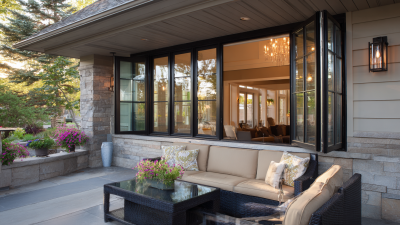
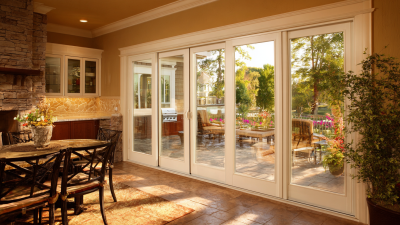
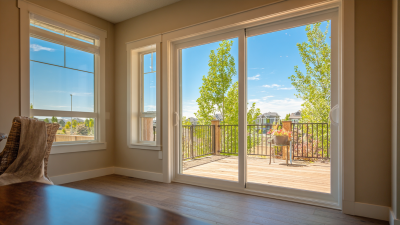
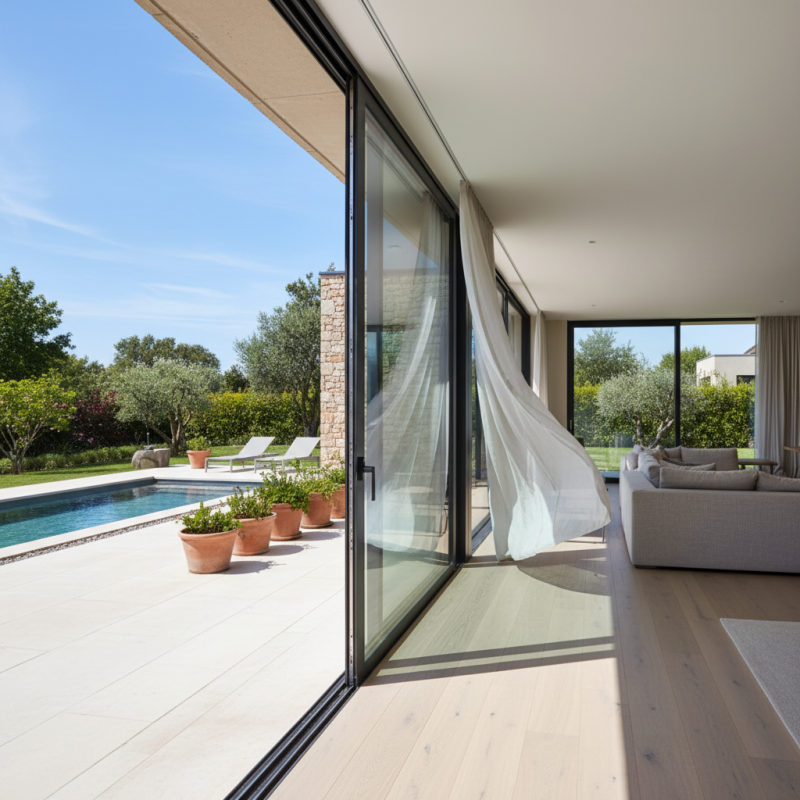
When considering exterior sliding doors for your home improvement project, understanding the types and materials available is essential. There are several common types of exterior sliding doors, including traditional sliding doors, bi-fold doors, and pocket doors. Traditional sliding doors consist of two panels, with one fixed and the other sliding to open, making them a popular space-saving choice. Bi-fold doors, on the other hand, consist of multiple panels that fold neatly to one side, providing a wide opening that seamlessly connects your indoor and outdoor spaces. Pocket doors are designed to slide into the wall, disappearing from view and offering a clean aesthetic when fully opened.
The materials used for exterior sliding doors greatly influence their durability, insulation, and maintenance requirements. Common materials include vinyl, wood, fiberglass, and aluminum. Vinyl doors are known for their low maintenance and energy efficiency, while wood doors offer a classic look and natural insulation properties but may require more upkeep. Fiberglass doors provide excellent durability and resistance to warping, making them suitable for various climates. Aluminum doors, while lightweight and strong, often come with thermal breaks to enhance insulation. Selecting the right combination of door type and material can enhance the style and functionality of your home, ensuring a perfect fit for your improvement needs.
Key Factors to Consider When Choosing Sliding Doors for Home
When selecting sliding doors for your home improvement needs, there are several key factors to consider to ensure you make the right choice. First, think about the material. Sliding doors are typically made from wood, aluminum, or vinyl. Each material offers different benefits in terms of durability, maintenance, and aesthetics. For example, wood provides a classic look but requires regular upkeep, while aluminum offers great durability with less maintenance. Consider the climate in your area, as this can affect the longevity and insulation properties of the door.
Another important consideration is the size and design of the sliding door. Measure your space carefully to determine the appropriate dimensions that will provide functionality and enhance your home's aesthetic appeal. Additionally, think about the glazing options; double or triple-glazed panels can improve energy efficiency and sound insulation.
**Tips:** Opt for energy-efficient models that have high R-values to minimize heat loss during colder months. Furthermore, ensure that the door's security features are robust; look for options with multi-point locking systems. Finally, consider the track system, as a high-quality track ensures smooth operation and longevity of the door.
Comparing Energy Efficiency in Sliding Door Options
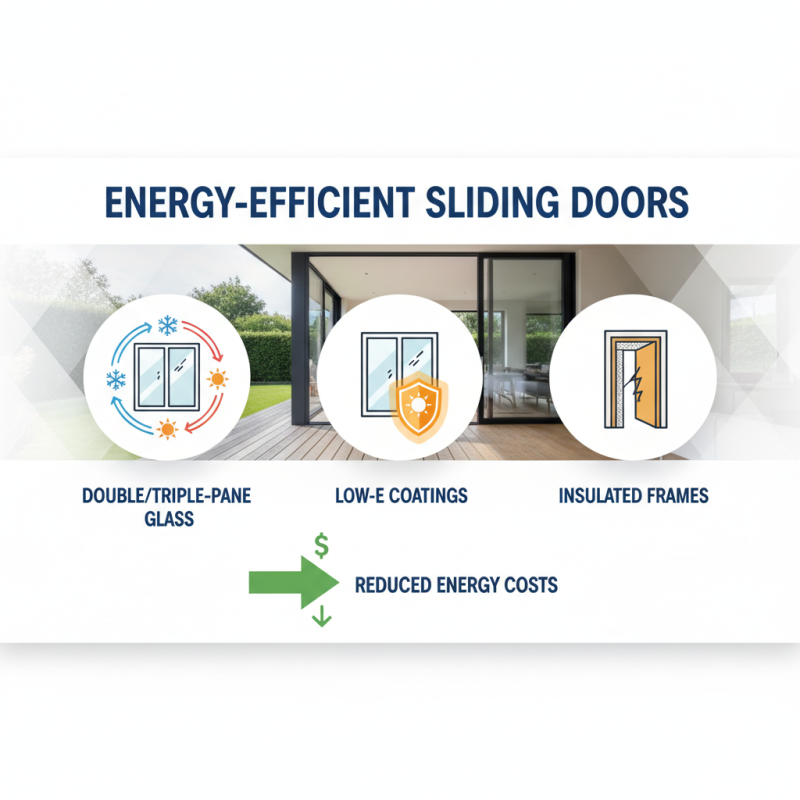
When evaluating exterior sliding doors for your home improvement project, energy efficiency should be a primary consideration. Sliding doors can significantly impact your home’s insulation and energy consumption. Many modern sliding door options are designed with advanced technologies, such as double or triple-pane glass, low-emissivity coatings, and insulated frames, which work to minimize heat transfer. These features help keep your home warm in the winter and cool in the summer, ultimately leading to reduced energy costs.
Moreover, the frame material of the sliding door plays a vital role in energy efficiency. Materials like vinyl and fiberglass provide excellent thermal performance, reducing the likelihood of air leaks compared to traditional wood frames. In addition to thermal insulation, the seals and tracks of the sliding doors are crucial in ensuring that drafts do not compromise the energy efficiency of your home. By selecting a sliding door with robust weather stripping and multiple locking points, you can create a more airtight seal that further enhances energy conservation. Ultimately, prioritizing these energy-efficient features will not only improve your home's comfort but also contribute to a more sustainable living environment.
Installation Tips for Exterior Sliding Doors
When considering the installation of exterior sliding doors, it’s essential to approach the process with careful planning and attention to detail. According to the National Association of Home Builders, installing sliding patio doors can enhance natural light and improve energy efficiency, leading to an average ROI of around 70% for homeowners. However, to maximize these benefits, proper installation is key.
**Tips for Installation**: First, it’s crucial to measure the opening accurately. Measure both the width and height of the door frame several times to ensure precision. A well-fitted door means less chance for air infiltration and better overall performance. Additionally, selecting the right materials for your climate is vital. High-quality weather stripping and energy-efficient glass can significantly reduce heating and cooling costs, corroborated by the U.S. Department of Energy’s findings on energy performance.
Another important factor is the leveling of the door track. An unlevel track can lead to operational issues and can cause the doors to misalign over time. Using a level during installation ensures smooth operation. Finally, always follow the manufacturer's guidelines and consider consulting with a professional if you’re uncertain about any step of the installation process. These practices can help ensure that your new sliding doors function well and add value to your home.
What is the Best Exterior Sliding Doors for Your Home Improvement Needs - Installation Tips for Exterior Sliding Doors
| Door Type |
Material |
Energy Efficiency Rating |
Average Cost (USD) |
Installation Complexity |
| Vinyl Sliding Door |
Vinyl |
High |
$800 - $1,200 |
Moderate |
| Aluminum Sliding Door |
Aluminum |
Medium |
$600 - $1,000 |
Easy |
| Fiberglass Sliding Door |
Fiberglass |
High |
$1,200 - $1,800 |
Moderate |
| Wood Sliding Door |
Wood |
Medium |
$1,000 - $2,500 |
Difficult |
| Composite Sliding Door |
Composite |
High |
$900 - $1,500 |
Moderate |
Maintenance and Care for Long-lasting Sliding Doors
When it comes to enhancing your home's exterior, selecting the right sliding doors is crucial not just for aesthetics but for functionality and longevity. Regular maintenance plays a pivotal role in ensuring that your sliding doors remain in good condition over the years. According to industry reports, properly maintained sliding doors can last over 20 years, whereas neglect can lead to significant deterioration within just a few years.
To extend the life of your sliding doors, it is essential to clean the tracks regularly. Dirt and debris can accumulate, obstructing the smooth operation of the door. A simple maintenance tip involves using a vacuum cleaner with a brush attachment followed by a damp cloth to clean the tracks. Additionally, lubricating the rollers at least once a year with a silicone-based lubricant can keep your doors sliding effortlessly.
Another key aspect of maintaining sliding doors is checking the seals and weather stripping for wear and tear. Damaged seals can lead to energy loss, affecting your home's overall efficiency. A study indicates that replacing worn weather stripping can save homeowners up to 15% on heating and cooling costs. Regular inspections and timely replacements are vital to keeping your home comfortable and your energy bills in check.