Top 5 Aluminium Sliding Doors Trends for 2025: Design, Benefits, and More
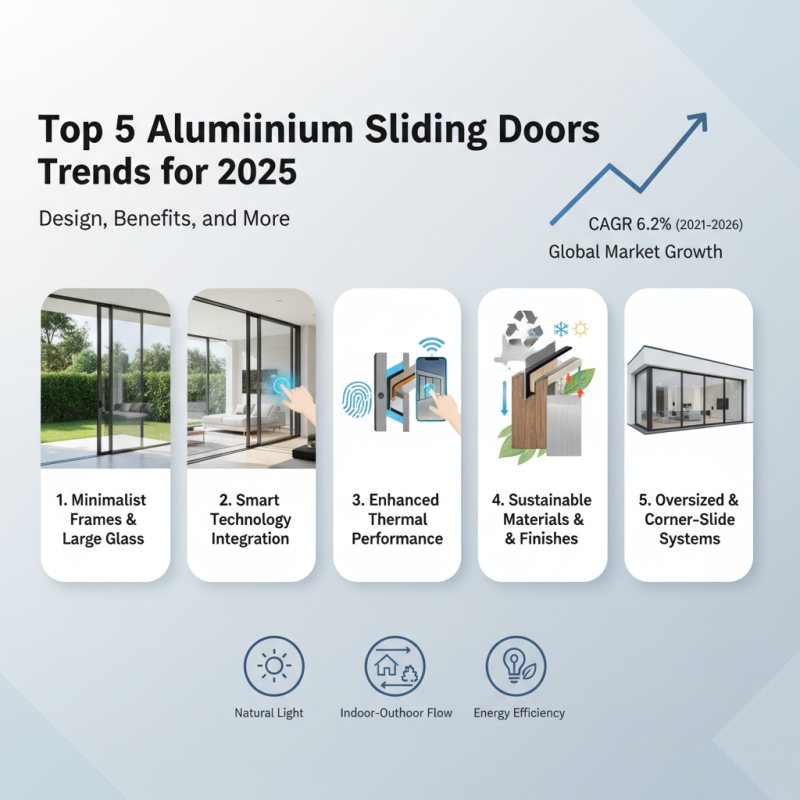
As we approach 2025, the design landscape for aluminium sliding doors is rapidly evolving, influenced by consumer preferences, advancements in technology, and sustainability trends. According to the latest industry reports, the global market for aluminium sliding doors is projected to grow substantially, with an anticipated CAGR of 6.2% from 2021 to 2026. This growth is driven by key factors such as energy efficiency, modern aesthetics, and the increasing demand for versatile living spaces.
In recent years, homeowners and builders have recognized the numerous benefits of installing aluminium sliding doors, which include enhanced natural light, improved indoor-outdoor flow, and superior thermal performance. The growing awareness of environmental sustainability has also led to a surge in demand for materials that offer longevity and reduced maintenance, positioning aluminium as a preferred choice in contemporary architecture. As we highlight the top trends shaping this market in 2025, including innovative designs and technological integrations, it's essential to understand how these trends will redefine spaces while aligning with users' desires for functionality and style.
Emerging Materials and Finishes for Aluminium Sliding Doors in 2025
In 2025, the aluminium sliding door market is poised for significant transformation, driven by innovative materials and finishes that enhance both aesthetics and functionality. The emergence of advanced coatings, such as weather-resistant finishes and anti-fingerprint technologies, is becoming increasingly prevalent. According to industry reports, approximately 60% of new aluminium door designs now incorporate these high-performance coatings, emphasizing the demand for products that simplify maintenance while maintaining a sleek appearance.
Furthermore, the trend towards sustainability is shaping the materials used in aluminium sliding doors. Manufacturers are increasingly adopting recycled aluminium, which not only reduces environmental impact but also appeals to eco-conscious consumers. The use of thermal break technology with eco-friendly insulating materials is also on the rise, improving energy efficiency by up to 40%, as highlighted in recent studies. As energy costs continue to climb, the emphasis on energy-efficient design will remain a critical factor influencing consumer choices in 2025, thereby pushing the industry toward innovative solutions that align with modern performance standards and environmental awareness.
Innovative Design Features Enhancing Functionality and Aesthetics
As aluminum sliding doors evolve in design, innovative features are enhancing both their functionality and aesthetic appeal. One standout trend for 2025 is the development of larger glass panels, which maximize natural light and create a seamless connection between indoor and outdoor spaces. This trend not only beautifies a home but also promotes energy efficiency by utilizing passive solar heating.
Additionally, slim profiles of aluminum frames are gaining popularity, providing a contemporary look that complements modern architectural designs while maintaining durability.
Another significant feature transforming aluminum sliding doors is smart technology integration. Home automation systems that control door access, temperature, and lighting are becoming more common, enhancing convenience and security. This innovation not only caters to the increasing demand for smart homes but also addresses energy efficiency concerns, allowing homeowners to monitor and adjust their settings remotely.
Furthermore, customizable finishes and colors are emerging, allowing users to tailor their doors to match their personal style and the overall theme of their home. These advancements underline a significant shift towards doors that are not just functional barriers but integral elements of modern living spaces.
Sustainability Trends in Aluminium Sliding Doors for Eco-Friendly Living
In 2025, the trend towards sustainability in aluminium sliding doors is expected to gain significant momentum. With a heightened awareness of environmental issues, homeowners are increasingly seeking options that not only enhance the aesthetics of their spaces but also minimize their carbon footprint. One of the most notable sustainability trends is the use of recycled aluminium in door manufacturing. This material choice not only reduces waste but also requires less energy to produce compared to new aluminium, making it a more eco-friendly alternative.
Additionally, advancements in energy-efficient technologies are influencing the design of aluminium sliding doors. Modern sliding doors now incorporate thermal breaks and double glazing, which significantly improve insulation and reduce energy consumption for heating and cooling. By choosing these energy-efficient systems, homeowners can enjoy the benefits of natural light and open spaces while contributing to a more sustainable living environment. Moreover, many manufacturers are committing to eco-friendly production processes, which further supports the industry’s shift towards sustainability. This combination of recycled materials and energy-efficient designs makes aluminium sliding doors a compelling choice for environmentally conscious consumers.
Top 5 Aluminium Sliding Doors Trends for 2025
| Trend |
Description |
Benefits |
Sustainability Features |
| Smart Home Integration |
Sliding doors that can be controlled via mobile apps and smart home systems. |
Enhanced convenience and security. |
Energy-efficient operation through remote monitoring. |
| Eco-Friendly Materials |
Utilization of recycled and sustainable materials in aluminum production. |
Reduced carbon footprint and energy consumption. |
Promotes a circular economy. |
| Minimalist Design |
Doors with sleek lines and fewer frames for a modern aesthetic. |
Enhanced natural light and open views. |
Promotes energy savings through natural lighting. |
| Low-E Glass Technology |
Glass with a special coating that reflects heat and UV rays. |
Improved thermal insulation and reduced energy costs. |
Supports eco-friendly living by saving energy. |
| Customizable Options |
Personalized designs to fit specific architectural needs. |
Increased property value and owner satisfaction. |
Encourages sustainable custom solutions. |
Smart Technology Integration in Aluminium Sliding Doors: A 2025 Perspective
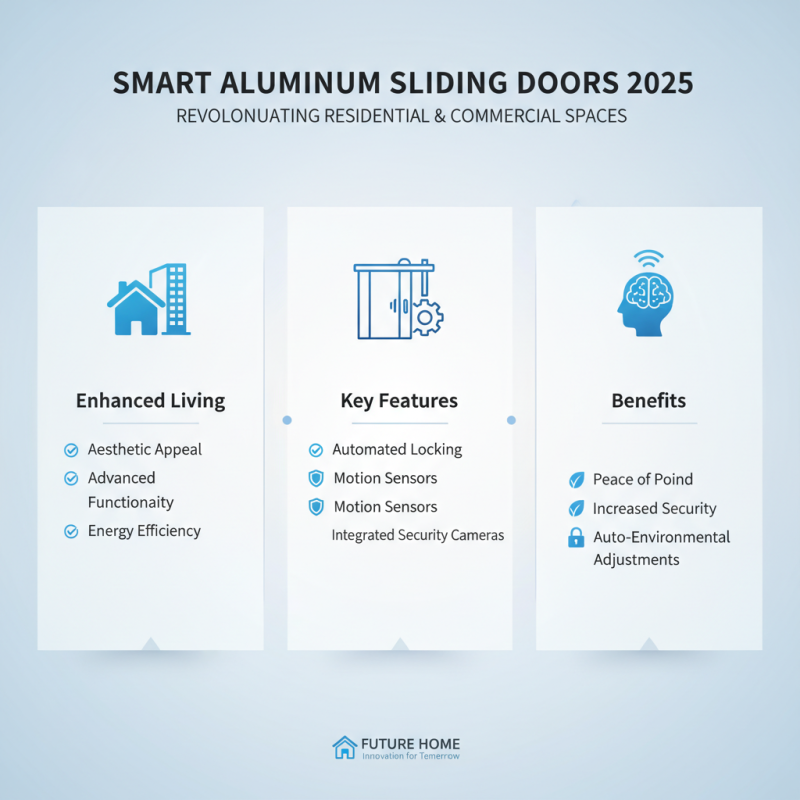
As we look ahead to 2025, the integration of smart technology in aluminium sliding doors is set to revolutionize both residential and commercial spaces. Homeowners are increasingly opting for doors that not only enhance aesthetic appeal but also offer advanced functionality. Features such as automated locking systems, motion sensors, and integrated security cameras are becoming standard. These innovations not only provide peace of mind but also enhance energy efficiency by automatically adjusting to environmental changes.
Moreover, smart connectivity is redefining how we interact with our living spaces. With the ability to control sliding doors through smartphones or voice-activated devices, users can seamlessly incorporate their doors into the broader smart home ecosystem. This connectivity allows for customization of opening and closing times based on user habits or even real-time weather conditions. As the demand for sustainability continues to rise, the incorporation of solar panels and energy-efficient mechanisms within aluminium sliding doors illustrates a commitment to both cutting-edge design and environmental responsibility.
Benefits of Aluminium Sliding Doors Over Traditional Options in Modern Homes
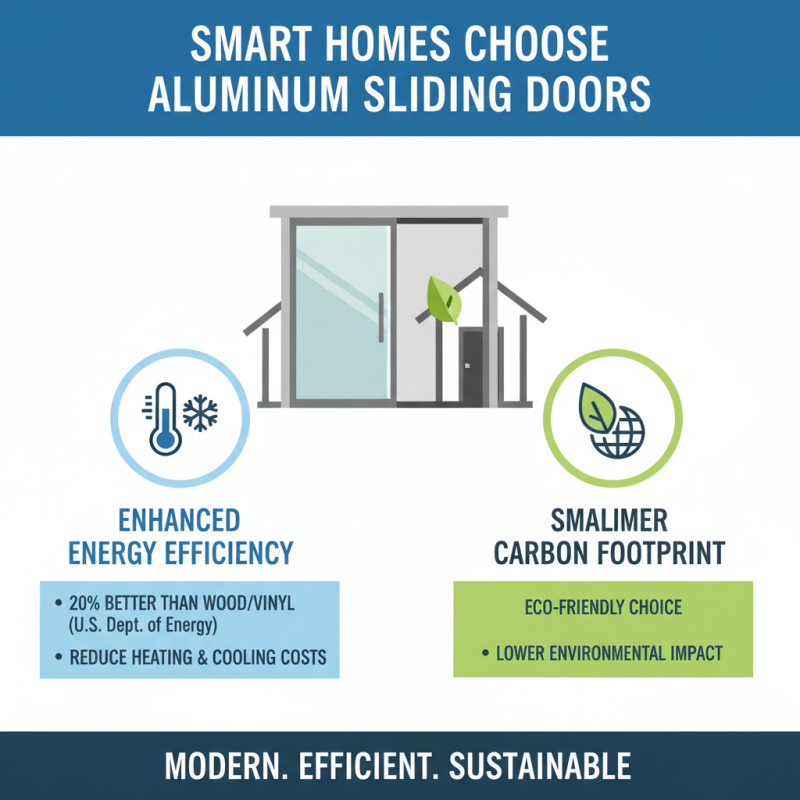
Aluminium sliding doors are increasingly becoming the preferred choice for modern homes, positioning themselves as superior alternatives to traditional door options. One key advantage is their enhanced energy efficiency. According to a report by the U.S. Department of Energy, modern aluminium sliding doors equipped with thermal breaks can significantly reduce heating and cooling costs, performing up to 20% better than traditional wood or vinyl doors. This means not only lower energy bills but also a smaller carbon footprint, appealing to environmentally conscious homeowners.
In addition to energy savings, aluminium sliding doors offer exceptional durability and low maintenance. Unlike wood, which can warp or rot over time, aluminium is resistant to the effects of weather and pests. A study by the National Association of Home Builders (NAHB) suggests that homes featuring aluminium fixtures can expect a lifespan of more than 30 years with proper care, making them a wise long-term investment. Their sleek design allows for larger openings and more natural light, which research from the American Institute of Architects indicates can enhance the overall well-being of occupants by providing a more pleasant and airy living environment. Consequently, the trend towards aluminium sliding doors is set to rise as homeowners look for stylish, functional, and sustainable solutions for their living spaces.